After root canal treatment
Back teeth treated with root canal therapy often need cuspal protection because the remaining structure is more vulnerable to fracture.
Dental crowns and bridges at Ivy Dental Brisbane. A single-visit digital workflow is available for selected cases. Crown on implant from $1,800; three-unit bridge from $4,800. Open 7 days in Brisbane.
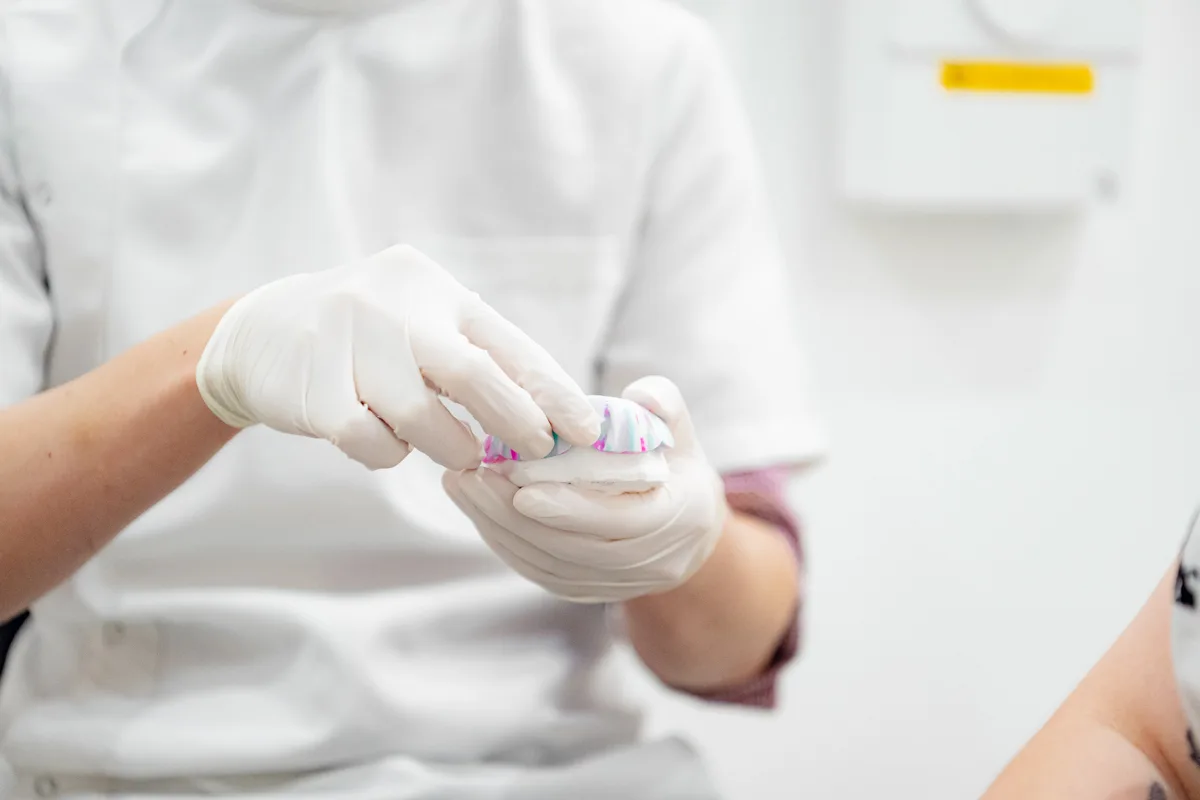
Crowns and bridges
Custom ceramic crowns for teeth that need more support than a filling can provide. Much of the work is completed through Ivy's own lab, with single-visit treatment available when clinically appropriate.
The simplest suitable restoration comes before the material choice. Remaining tooth structure, decay, cracks, the nerve, gum health, bite, and alternatives are assessed before a crown is recommended.
From $1,600Often 1 visitWritten first
When a crown may help
A crown is considered when a tooth cannot be predictably restored with a filling alone. Assessment still needs to confirm whether enough healthy tooth remains and whether the nerve or gum needs treatment first.
Treatment pathway
A single-visit pathway can suit many straightforward crowns. Aesthetic, complex, infected, or multi-unit cases may need a temporary crown and additional appointments.
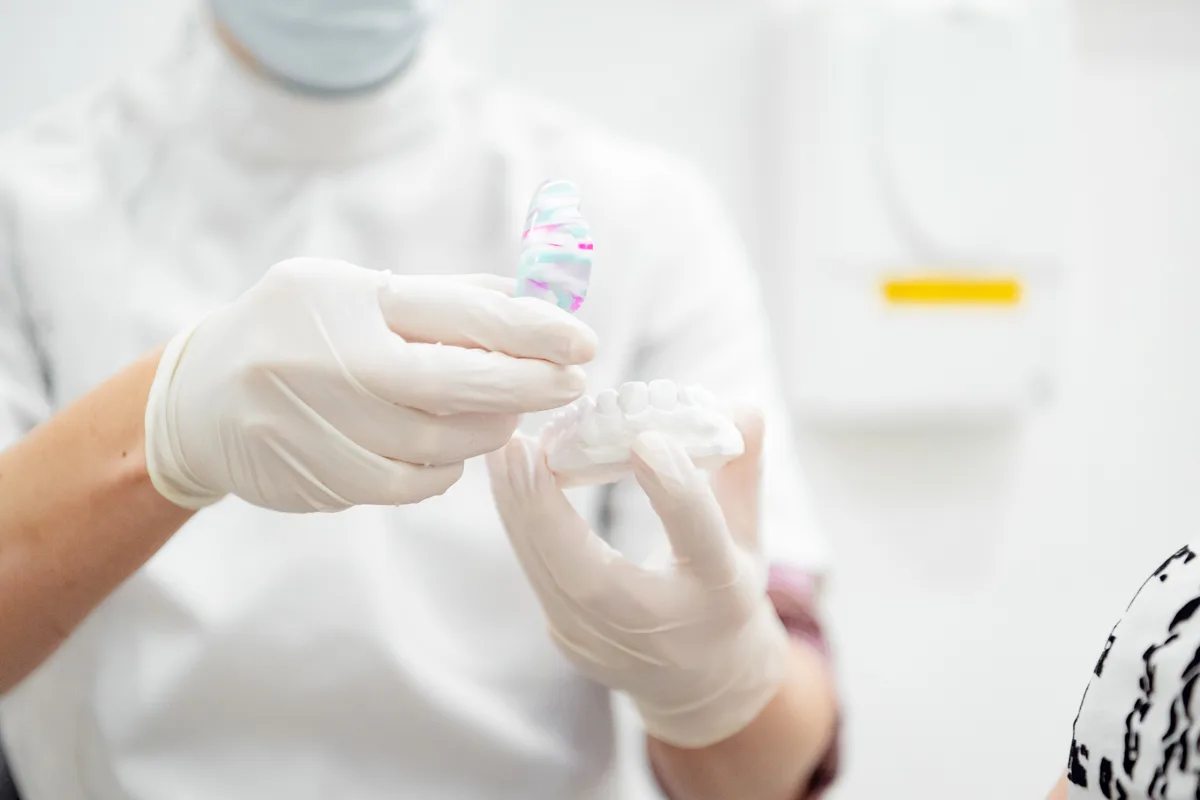
The Ivy lab standard
Much of Ivy Dental's ceramic work is completed through its own lab. That supports direct shade review, faster communication, and chairside adjustment when the restoration is made in-house.
Shade, character, and neighbouring teeth can be reviewed in person rather than from photographs alone.
Fit, contacts, bite, and appearance can be refined with direct communication between the dentist and ceramist.
Many straightforward crowns can be scanned, made, checked, and fitted in one appointment.
Selected cases use partner laboratories working to Ivy specifications and the same fitting checks.
Material selection
No ceramic is automatically best for every tooth. Bite forces, grinding, available thickness, appearance, and the location in the mouth all matter.
Often considered for posterior teeth, grinding risk, or areas under higher load.
Often considered for front teeth and visible smile-zone restorations.
May suit premolars or cases balancing appearance, thickness, and function.
Single-visit crowns
Ivy's in-house digital workflow can shorten treatment, but the clinical result takes priority over speed.
The number of visits is confirmed after assessment. A single-visit pathway is not used when it would compromise diagnosis, material choice, fit, or appearance.
Longevity
A well-made crown often lasts 10 to 15 years or longer, but no lifespan is guaranteed. These factors have a material effect on longevity.
Dental bridges
A bridge replaces a missing tooth by using teeth on either side for support. The condition of those teeth and the value of preserving them help determine whether a bridge or implant is more appropriate.
Compare implants and bridges in more detail before deciding which consultation pathway fits.
Indicative fees
These fees are starting points. The tooth, material, preparation, supporting procedures, and whether the crown is part of implant or bridge treatment can change the final quote.
Material and tooth condition assessed at consultation
Implant restoration only; implant surgery is priced separately
Replaces one missing tooth using two supporting teeth
What can change the quote
Payment context
A written quote is provided before preparation. Payment plan options may be available to approved applicants, and HICAPS claiming is available for participating health funds.
Your consultation
No treatment starts without approval. The aim is to leave with the diagnosis, suitable options, material rationale, timeline, and written fee explained.
Honest expectations
A consultation is required to decide whether this treatment is appropriate for your health, anatomy, tooth condition, goals, and maintenance capacity.
Risks and considerations
May not be suitable when
Common questions
These are general answers. Your written plan and advice depend on an individual assessment.
Many crowns can be completed in one visit using the in-house digital workflow. Some teeth require two or more appointments because of complexity, material selection, gum health, aesthetics, or the need for a temporary crown. The timeline is confirmed after assessment.
Ivy Dental uses several dental ceramics with different strength and optical properties. Zirconia, porcelain, and hybrid ceramic may each suit different tooth positions, bite forces, and appearance goals. The material is selected after the tooth and bite are assessed.
The tooth is prepared under local anaesthetic. Mild sensitivity or tenderness can occur afterwards and often settles within a few days. Deeper decay or nerve involvement can change the pathway and may require root canal treatment.
A well-made crown often lasts 10 to 15 years or longer. Longevity depends on the remaining tooth structure, material, bite forces, grinding, hygiene at the margins, decay risk, and regular review.
A veneer covers the front surface of a tooth and is usually used for appearance. A crown covers the tooth more extensively and restores structure as well as appearance. The amount and condition of remaining tooth structure help determine which, if either, is appropriate.
Yes. A bridge can replace one or more missing teeth by using adjacent teeth for support. The team compares a bridge with an implant or removable option and explains the trade-offs for the supporting teeth, bone, cleaning, time, and cost.
Shade, shape, translucency, and surface texture are considered during fabrication. Much of Ivy Dental's crown work is completed through its own lab, allowing direct communication and chairside adjustments when the restoration is made in-house. A perfect invisible match cannot be promised in every situation.
Many straightforward single crowns can be completed in one visit using the in-house milling workflow. Whether this is appropriate depends on the tooth, material, infection risk, appearance requirements, and complexity. Quality and tooth prognosis take priority over speed.
Grinding and clenching can significantly reduce crown lifespan. Bite assessment may lead to a custom night guard recommendation, starting from $650, to protect the crown and surrounding teeth.
They describe the same type of restoration. Cap is the common name and crown is the clinical term for a custom restoration covering the visible portion of a prepared tooth.
Much of Ivy Dental's crown work is crafted through its own lab, allowing direct colour review and quality control. External lab partners are used where appropriate and work to Ivy specifications. Everton Park and Nundah are QIP accredited and open 7 days.
Request an assessment rather than selecting a crown online. If a filling, onlay, root canal, extraction, or another option is more appropriate, the alternatives should be explained before treatment is approved.
Choose a clinic
Both clinics are open 7 days. Choose the location that works best for your consultation and follow-up care.
Ivy Dental Brisbane
471 South Pine Road
Mon to Fri 8am to 5pm · Sat and Sun 9am to 5pmRequest at Everton ParkIvy Dental Brisbane
20 Nellie Street
Mon to Fri 8am to 5pm · Sat and Sun 9am to 5pmRequest at NundahA clearer first step
Request a crown consultation for an assessment, alternatives discussion, material recommendation, timeline, and written quote.