Past experiences
Tell us what happened and which part you do not want repeated.
Ivy Dental supports nervous patients with clear explanations, agreed pause signals, staged treatment planning, and costs discussed before treatment. Ivy Dental does not offer sedation dentistry and may refer when sedation or specialist facilities are required.
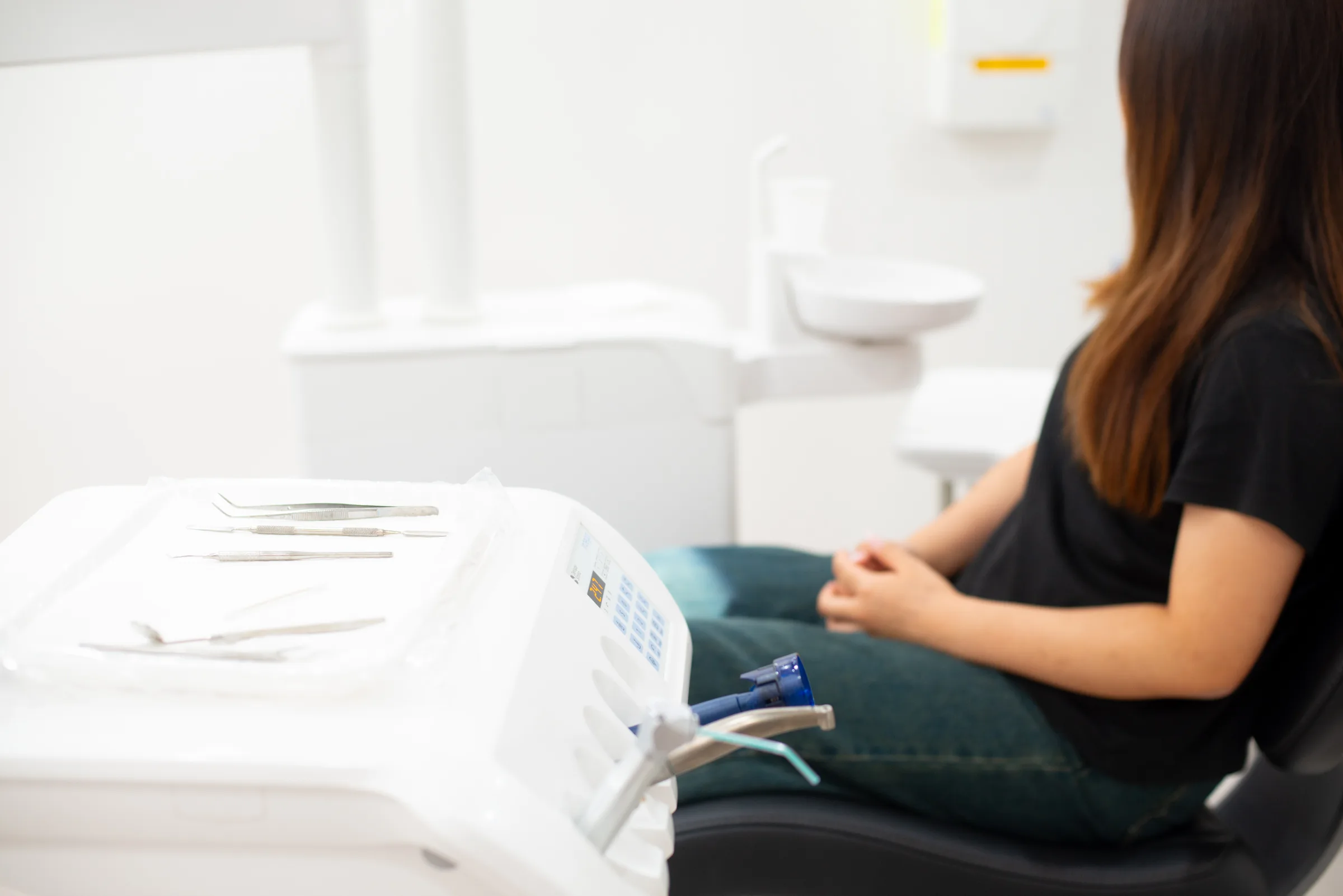
Nervous patients
Tell us what makes dental visits hard. We can explain before starting, agree on a pause signal, discuss costs, and separate what is urgent from what can be planned.
I am nervous and I need each step explained. That one sentence gives the reception and clinical teams something practical to plan around.
Pause signalExplain firstNo judgement
What we mean by support
Ivy Dental does not provide sedation dentistry. Our role is to make ordinary dental care more predictable through communication, pacing, consent, and practical control cues. If safe care needs sedation or another setting, we discuss referral.
Anxiety is specific
Different worries need different adjustments. A useful booking note is more specific than simply saying you dislike the dentist.
Tell us what happened and which part you do not want repeated.
Ask for the anaesthetic plan, what sensations to expect, and how the dentist will check comfort.
Tell us if shame has delayed care. We can focus on findings and priorities without commentary about the past.
Headphones, breaks, positioning, suction, and shorter steps may help depending on the procedure.
Ask for options, priorities, and fees before treatment, including what can reasonably be staged.
Agree on a pause signal and how much explanation you want before each step.
During the appointment
The plan should work for both patient comfort and clinical safety. Agree on it while everyone can still talk comfortably.
Tell reception, the assistant, or the dentist what you are worried about and what has helped before.
Some people want every detail. Others want a simple preview of the next step. Tell us which is better.
A raised hand can mean stop, rinse, breathe, or ask a question. The dentist first makes the mouth safe.
Where clinically appropriate, the first visit can focus on findings, X-rays, options, priorities, and costs.
A written plan can break care into manageable appointments while keeping urgent problems visible.
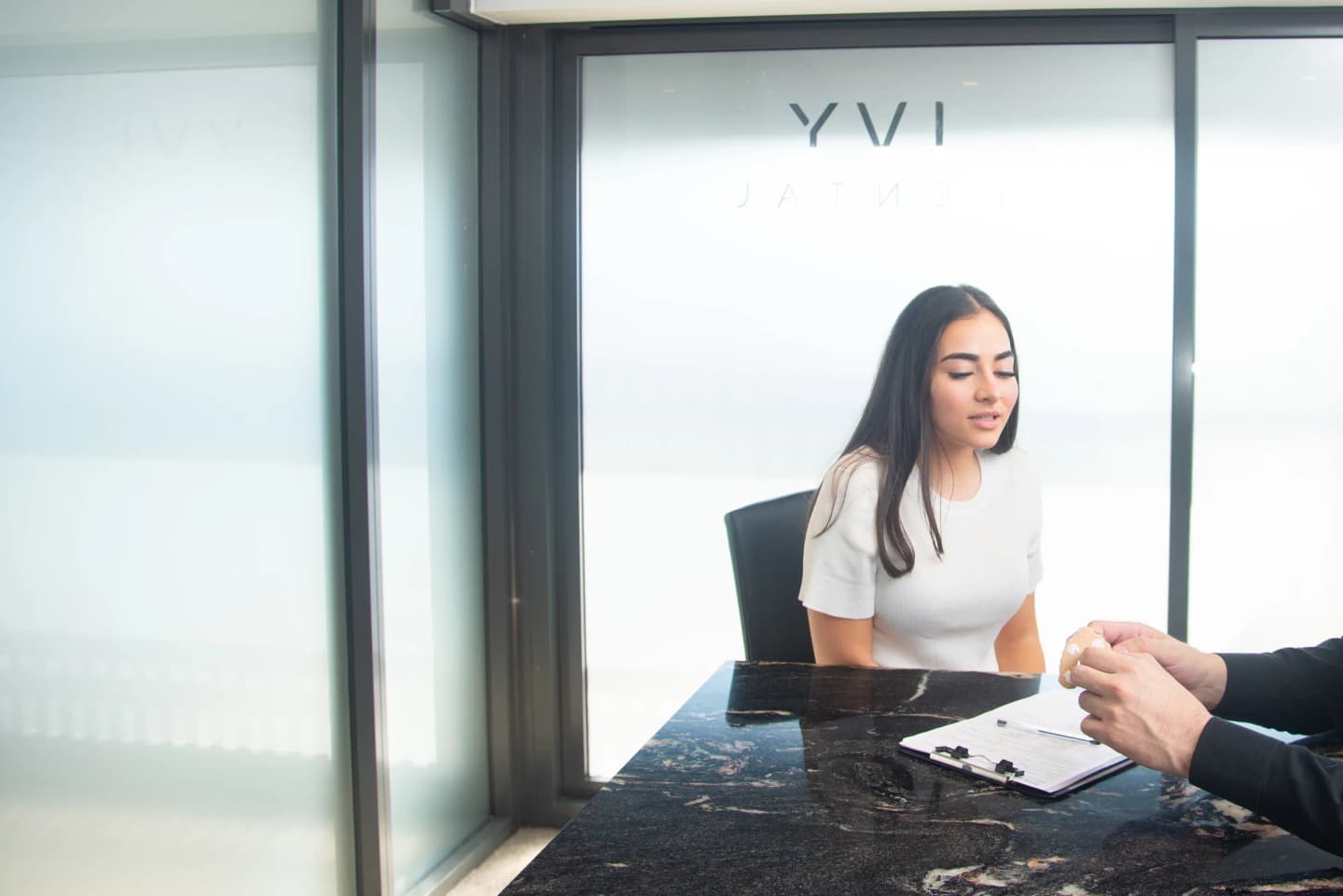
The Ivy standard
When the team understands the trigger, the appointment can be planned around clearer communication and realistic steps.
We identify the concern and the practical adjustment that might help.
You should understand the proposed step before deciding.
If safe care requires sedation or specialist facilities, we do not pretend pacing alone is enough.
Before you arrive
You do not have to prepare perfectly. A few practical choices can reduce uncertainty on the day.
Say that you are nervous and name the main concern, such as needles, gagging, cost, sounds, or a past experience.
If this would help, ask the clinic in advance so privacy, space, and consent can be planned.
They may help with sound during parts of an appointment where communication is still safe.
Include what is urgent, what can wait, alternatives, fees, and what happens if you pause.
Do not take alcohol, sedatives, or someone else’s medicine to manage the appointment. Tell us about all medicines and substances taken.
Your first appointment
A first visit can focus on listening, examination, imaging when needed, priorities, and costs. Whether treatment can wait depends on the findings.
Honest expectations
No single approach works for every person or procedure. The plan must stay safe, consensual, and appropriate for the treatment required.
What Ivy Dental can adjust
What may need another pathway
Common questions
These are general answers. Advice and treatment depend on an individual assessment.
Yes. The visit can focus on listening, assessment, and planning. Tell us when you book that you would prefer a low-pressure first appointment. What can safely wait depends on the findings and any urgent symptoms.
You do not need to apologise. Tell us that embarrassment is part of the anxiety if you can. The appointment starts with what is happening now, what is urgent, and what choices are available.
Yes. Agree on a pause signal before treatment starts. A raised hand can mean stop, rinse, breathe, or ask a question. The dentist may need a moment to make the mouth safe before fully stopping.
No. Ivy Dental does not provide sedation dentistry. We can still adjust communication, pacing, appointment length, and pause signals. If treatment requires sedation or specialist facilities, we can discuss an appropriate referral.
Yes. Ask for findings, priorities, options, and fees to be explained before treatment begins. Urgent care may sometimes need a staged plan, but you should still understand the proposed step and its fee before consenting.
Usually, yes. Let the clinic know when you book so the team can plan the room and privacy appropriately. The patient still needs to participate in consent where they have capacity.
Choose a clinic
Both clinics are open 7 days. Choose the location that works best for your assessment and follow-up care.
Ivy Dental Brisbane
471 South Pine Road
Mon to Fri 8am to 5pm · Sat and Sun 9am to 5pmRequest at Everton ParkIvy Dental Brisbane
20 Nellie Street
Mon to Fri 8am to 5pm · Sat and Sun 9am to 5pmRequest at NundahA clearer first step
Book online or call the clinic. Add a note that you are nervous and name the main concern so the team can plan around it.