Bone volume and anatomy
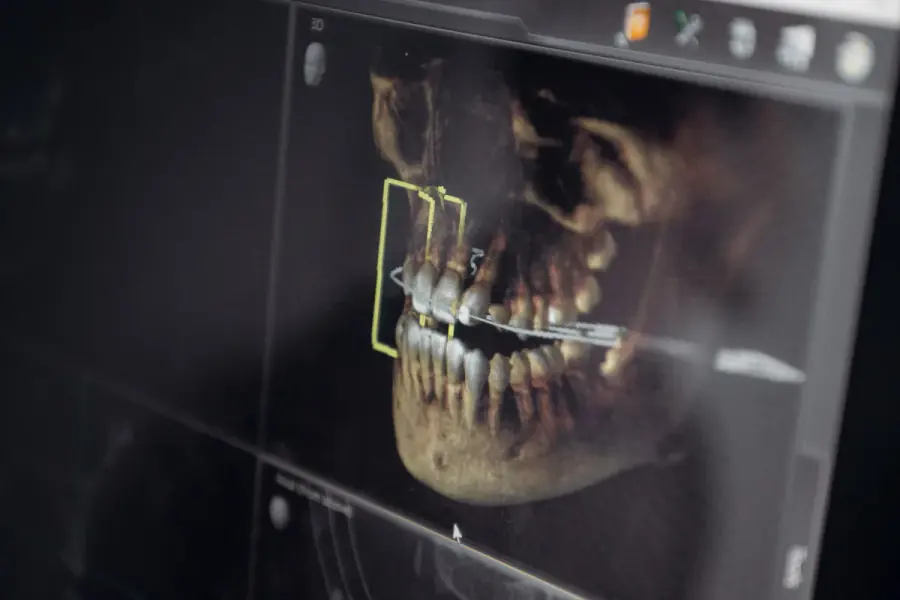
CBCT imaging may be used to assess bone volume, nerve position, sinus proximity, and the space available for placement. Grafting may be discussed if bone is insufficient.
Ivy Dental provides dental implants for single and multiple missing teeth at Everton Park and Nundah. Treatment planning can include CBCT imaging and support from the in-house dental laboratory. Suitability is assessed individually.
Dental implants
For one tooth or several teeth. Assessment includes 3D imaging where indicated, a comparison of suitable options, and a written plan and quote before treatment begins.
The scan informs the plan. It does not decide it alone. Bone, nerves, nearby teeth, gum health, medical history, bite, and your goals are reviewed together.
From $4,5003 to 6 monthsWritten first
Clinical team
Treatment planning starts with assessment. The profiles below are a starting point if you would like to read more about clinicians involved in this area of care. The right appointment depends on location, timing, and clinical need.
Suitability
It is whether an implant is the most appropriate option after the bone, gums, adjacent teeth, health factors, timing, and alternatives are considered.
Treatment pathway
Timelines vary. The sequence below is a common pathway for a straightforward single implant, not a promise that every case follows the same schedule.
The Ivy standard
Imaging supports the decision, but the consultation should also explain what an implant changes, what it does not solve, and how it compares with other ways to replace the tooth.
3D imaging maps bone and nearby anatomy before placement is proposed.
The sequence, estimated timeline, and itemised quote are provided before treatment.
The single tooth price includes the implant, abutment, and porcelain crown.
Implant position and the final crown are planned as one treatment pathway.
Compare the options
The right answer depends on the teeth beside the gap, bone, cleaning ability, treatment time, cost, and whether a fixed or removable option suits you.
From $4,500 for a single tooth, including implant, abutment, and crown.
Recovery and aftercare
This is general guidance only. Your treating dentist will provide instructions based on your procedure, medical history, and healing response.
Contact the clinic if pain, swelling, bleeding, fever, a bad taste, or other symptoms are unexpected or worsening.
Indicative fees
These are starting prices. Your final quote depends on examination, imaging, anatomy, grafting, the number of implants, and the restoration selected.
Includes implant, abutment, and porcelain crown
Only when clinically required and quoted by extent
Planned after examination, imaging and restorative review
What can change the quote
Payment context
All major health funds are accepted with HICAPS claiming. Payment plans may be available to approved applicants.
Your consultation
The consultation is designed to establish whether an implant is appropriate and what information is still needed before treatment can be finalised.
Honest expectations
A consultation is required to decide whether this treatment is appropriate for your health, anatomy, tooth condition, goals, and maintenance capacity.
Risks and considerations
May not be suitable when
Common questions
These are general answers. Your written plan and advice depend on an individual assessment.
The procedure is done under local anaesthetic. You should not feel pain during placement. Post-operative discomfort is usually managed with over-the-counter pain relief and often resolves within a few days.
With proper care, dental implants can function for decades. The titanium implant is intended as a long-term restoration. The porcelain crown may need replacement after 10 to 15 years depending on wear, bite forces, and maintenance.
Many adults with adequate bone and stable oral health may be candidates. Ivy Dental assesses bone volume, nearby anatomy, gum health, medical history, and healing risks before recommending treatment. Bone grafting may be an option when bone is insufficient.
Single tooth implants at Ivy Dental start from $4,500, including the implant, abutment, and crown. More complex cases are quoted individually after assessment. Payment plans may be available to approved applicants.
A temporary restoration can often be provided during healing. The appropriate option depends on the tooth position, bite, implant stability, and your individual case.
We can assess your oral health and discuss suitable tooth-replacement options. For complex or full-arch treatment, we may recommend referral or coordinated care with an appropriate specialist. We will explain this before treatment begins.
Implant failure is uncommon but possible. Risk factors include smoking, uncontrolled diabetes, poor oral hygiene, and some medical conditions or medications. If an implant does not integrate, the team will explain the next options, which may include healing and reassessment before replacement is considered.
Often, but not always. CBCT imaging is used to assess available bone and nearby anatomy. Grafting may rebuild an area before placement, which can add time, cost, and another procedure to the plan.
Implant placement is normally completed under local anaesthetic. The team can explain each step, work at your pace, and pause when needed. If sedation is clinically indicated, an external referral may be discussed because Ivy Dental does not provide sedation on site.
Brush and clean around the implant as instructed, attend regular reviews, and avoid habits that overload the crown. Ongoing checks monitor the crown, implant, gum tissue, bite, and bone levels.
Ivy Dental uses CBCT imaging for surgical planning and completes much of its implant crown work through its own lab. Where external partners are used, they work to Ivy specifications. Everton Park and Nundah are QIP accredited and open 7 days. If an implant is not appropriate, alternatives such as a bridge or denture are discussed.
You do not need to choose a treatment before booking. An assessment can compare implants, bridges, and dentures in the context of your bone health, adjacent teeth, budget, timing, and maintenance needs.
Choose a clinic
Both clinics are open 7 days. Choose the location that works best for your consultation and follow-up care.
Ivy Dental Brisbane
471 South Pine Road
Mon to Fri 8am to 5pm · Sat and Sun 9am to 5pmRequest at Everton ParkIvy Dental Brisbane
20 Nellie Street
Mon to Fri 8am to 5pm · Sat and Sun 9am to 5pmRequest at NundahA clearer first step
Request an implant consultation for an assessment, options comparison, proposed stages, and written quote.