If you are missing a few teeth but not a full arch, a partial denture may be one of the most practical and affordable ways to restore your smile and chewing function. But pricing varies significantly depending on the type of partial, the materials used, and the number of teeth being replaced.
This guide focuses only on removable partial dentures. If you are comparing dentures with implants, bridges, or full-mouth replacement, start with our missing teeth guide first.
Partial denture types and starting prices
Here is an overview of partial denture pricing in Brisbane. These are starting prices. Your quote will depend on a clinical assessment.
Partial denture type | Starting price | Key features |
|---|---|---|
Acrylic partial | From $800 | Most affordable. Acrylic base with metal clasps. Suitable for temporary or budget solutions. |
Flexible partial (valplast-type) | From $1,000 | Lightweight, no metal clasps. Tooth-coloured clips blend with gums. More comfortable for many patients. |
Cobalt-chrome partial | From $1,500 | Metal framework. Thinner, stronger, and more durable than acrylic. Often the preferred long-term option. |
Combination partial with precision attachments | From $2,200 | Clips onto existing crowns for a secure, clasp-free fit. Requires crown preparation on anchor teeth. |
Indicative pricing. Your quote may differ based on clinical assessment.
The right type depends on where the missing teeth are, how many need replacing, the condition of remaining teeth, and what you prioritise: cost, comfort, or durability. If you are still comparing the broader treatment options, our missing teeth guide explains where dentures, bridges, and implants fit.
What shifts the price of a partial denture
Two patients replacing the same number of teeth can receive different quotes. Several factors explain why.
Number of teeth replaced. A partial replacing one tooth requires less material and lab time than one replacing four or five. Each additional tooth adds to the cost.
Material choice. Acrylic is the most affordable base material. Cobalt-chrome is more expensive but thinner and stronger, which many patients find more comfortable for daily wear. Flexible materials sit between the two in price.
Clasp design. Standard wire clasps are functional but visible on front teeth. Tooth-coloured clasps or precision attachments cost more but are far less noticeable. If aesthetics matter to you, discuss these options during your consultation.
Condition of remaining teeth. If anchor teeth need fillings, crowns, or other work before the partial can be fitted, these additional procedures add to the total treatment cost. A thorough assessment identifies this upfront.
Lab complexity. All our partial dentures are fabricated by experienced dental technicians. Complex cases with multiple clasps, rest seats, or precision components require more lab time.
How a partial denture is made: the process
Getting a partial denture typically involves three to four appointments over two to three weeks.
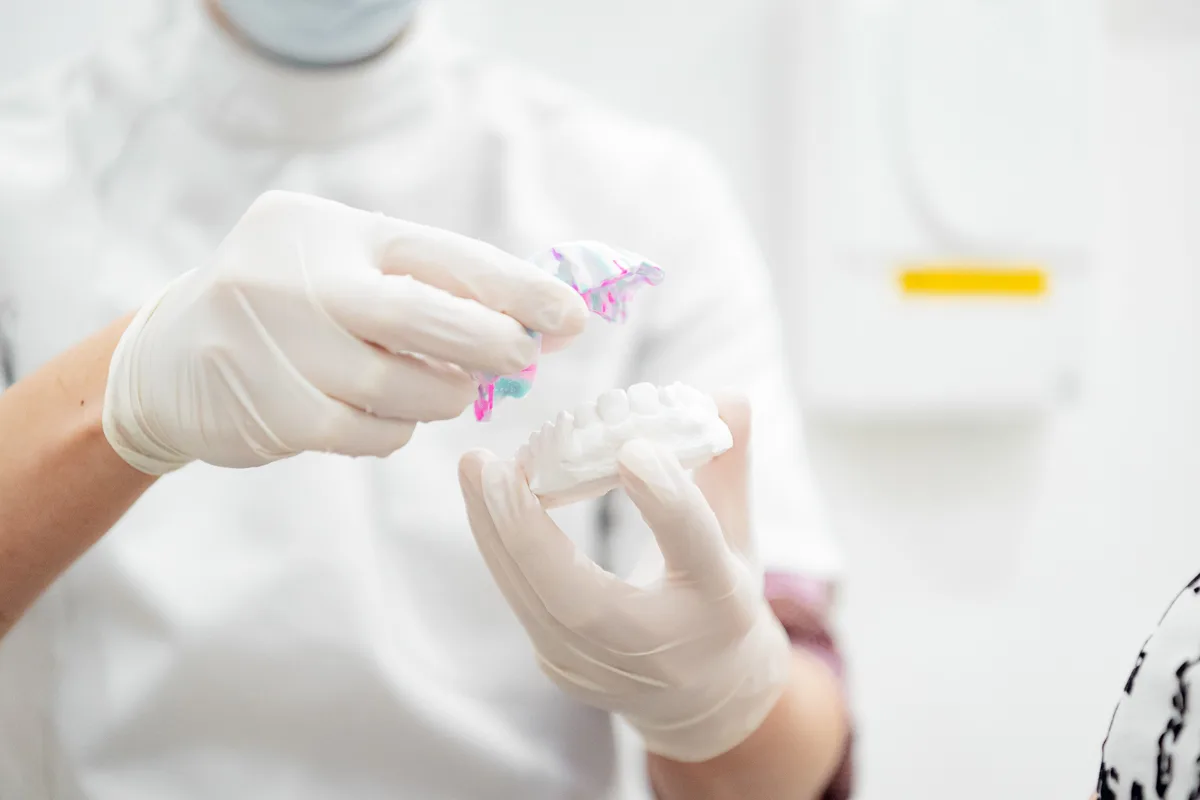
Appointment one: assessment and impressions. Your dentist examines your mouth, discusses options, and takes impressions or digital scans. This is where your treatment plan and quote are finalised.
Appointment two: try-in. The lab fabricates a wax try-in so you can check the fit, colour, and tooth positioning before the final denture is made. This step helps avoid surprises.
Appointment three: fitting. The finished partial is placed, adjusted, and checked for bite accuracy and comfort. Minor adjustments are normal at this stage.
Follow-up. A review appointment one to two weeks later ensures the fit remains comfortable. Some patients need small adjustments as they adapt to wearing the partial.
Acrylic vs flexible vs cobalt-chrome: which to choose
Each material has trade-offs. Here is a practical comparison.
Acrylic partials are the most affordable and quickest to fabricate. They work well as a temporary solution or when budget is the primary concern. The downsides: they are bulkier, can feel less secure, and the metal clasps may be visible when you smile.
Flexible partials are lighter and more comfortable for many patients. The tooth-coloured clasps make them a popular choice for front-tooth replacements where aesthetics matter. They are harder to reline or repair, though, which may affect long-term value.
Cobalt-chrome partials are thinner and more rigid than acrylic, which usually means a more comfortable fit. The metal framework distributes bite forces more evenly, making them a stronger long-term option for patients replacing several teeth. They are the standard recommendation for patients who plan to wear their partial daily for years.
Your dentist at Ivy Dental will recommend a material based on your clinical situation, not on cost alone. We would rather you invest in the right solution than save on the wrong one.
Health fund rebates for partial dentures
Partial dentures are classified as major dental under most health fund policies. If you have major dental extras cover and have served the waiting period (typically 12 months), you may receive a partial rebate.
Rebate amounts vary by fund and policy level. Some funds cover a percentage of the total fee. Others apply a fixed benefit per item number.
At Ivy Dental, we process health fund claims on site with HICAPS. You pay only the gap on the day. We can also provide an itemised treatment plan so you can check your expected rebate with your fund before starting treatment.
Payment plans may be available to approved applicants if the gap is larger than expected.
Book a partial denture consultation at Ivy Dental. We will assess your situation, explain your options, and provide a clear quote before you commit to anything. Call (07) 3266 7120 or visit us at Everton Park or Nundah. Open 7 days.