Teeth grinding affects a significant portion of the adult population. Many people grind during sleep without knowing it. Others clench during the day in response to stress, concentration, or habit. The issue is that grinding generates forces well beyond what teeth are designed to handle repeatedly, and the damage accumulates.
If you suspect you grind your teeth, or your dentist has identified signs of grinding at a check-up, this guide covers what to look for, what damage it causes, and how treatment works.
What is bruxism?
Bruxism is the clinical term for teeth grinding and clenching. It falls into two categories.
Sleep bruxism. Involuntary grinding or clenching during sleep. This is the more damaging form because the forces generated during sleep can be substantially higher than conscious clenching, and the person is unaware it is happening.
Awake bruxism. Clenching or grinding during the day, often linked to stress, concentration, or habit. Many people clench while working at a computer, driving, or exercising without realising it.
Both forms cause damage over time. Sleep bruxism tends to cause more tooth wear because it occurs for longer periods and at higher force.
Signs you may be grinding
Grinding is often diagnosed by a dentist rather than the patient themselves. However, several signs can prompt you to raise the issue at your next check-up.
Physical symptoms:
- Jaw soreness or stiffness when you wake up
- A dull headache centred around the temples, particularly in the morning
- Tooth sensitivity that is not explained by decay
- Pain or tenderness in the jaw muscles
- Earache-like pain that is not related to an ear infection
- Tension in the neck and shoulders
Visible signs:
- Flattened or worn tooth surfaces, particularly the canines and front teeth
- Chips or microfractures on the edges of teeth
- Tongue scalloping (indentations along the edges of the tongue from pressing against teeth)
- Cheek biting marks on the inner cheeks
Partner observations. Sleep grinding can produce audible sounds. If a partner mentions hearing grinding or clicking at night, that is a reliable indicator.
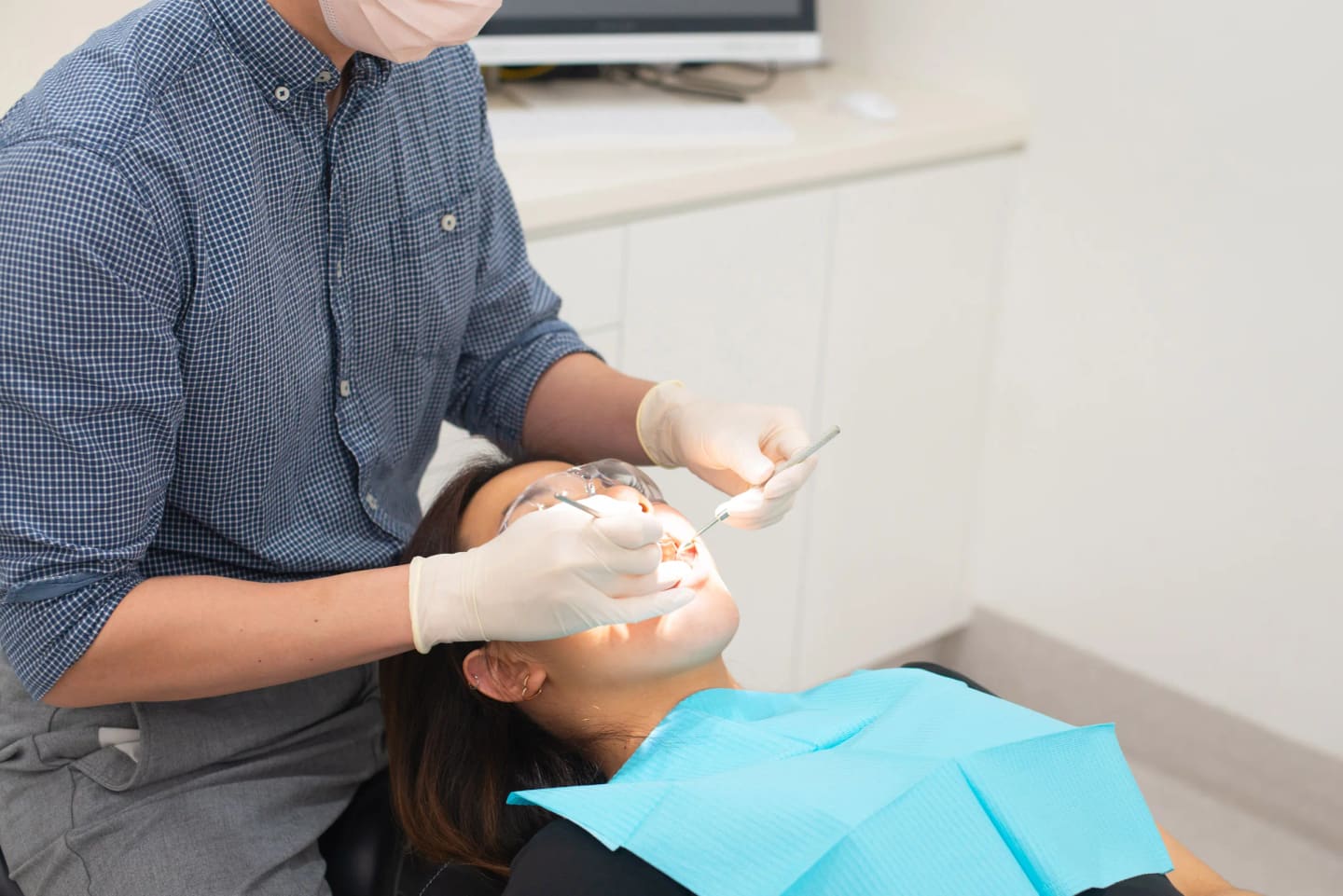
Your dentist can confirm grinding by examining wear patterns, checking jaw muscle tenderness, and reviewing your X-rays for signs of bone changes around the teeth.
What damage does grinding cause?
The consequences of untreated grinding range from cosmetic wear to structural tooth failure. Damage is cumulative and typically worsens over years.
Tooth wear. Enamel is worn away gradually, exposing the softer dentine layer underneath. This accelerates further wear and increases sensitivity. Severely worn teeth can lose significant height, affecting bite function and appearance.
Fractures and chips. Grinding forces can crack teeth, particularly teeth weakened by large fillings or root canal treatment. A cracked tooth may need a crown to survive, or extraction if the fracture extends below the gumline.
Damage to dental work. Porcelain veneers, crowns, bridges, and composite fillings are all susceptible to grinding forces. Patients who invest in cosmetic dental work without addressing underlying bruxism may find restorations fail prematurely.
TMJ (jaw joint) problems. Chronic grinding can strain the temporomandibular joint, which can lead to jaw pain, clicking, limited opening, and headaches. TMJ disorders are not always caused by grinding, but grinding is a common contributing factor.
Gum recession. The lateral forces from grinding can contribute to gum recession over time, exposing root surfaces and increasing sensitivity.
If you are experiencing any of these symptoms, a dental assessment can identify whether grinding is the cause. Book an appointment at Ivy Dental →
Why do people grind their teeth?
The causes are not fully understood, but several factors are consistently associated with bruxism.
Stress and anxiety. This is the most commonly cited factor. Periods of high stress correlate with increased grinding and clenching. Brisbane's working population is not immune to this. Long commutes, shift work, and high-pressure roles are all contributing factors.
Sleep disorders. Bruxism is associated with obstructive sleep apnoea and other sleep disturbances. If you grind at night and also snore heavily or feel unrested after sleep, both issues may benefit from assessment. Ivy Dental offers dental sleep medicine for patients with diagnosed obstructive sleep apnoea, though this is a separate service from bruxism treatment.
Bite misalignment. An uneven bite can lead to localised clenching as the jaw seeks a comfortable position. This is sometimes addressed through occlusal adjustment.
Lifestyle factors. Caffeine intake, alcohol, certain medications (particularly SSRIs and stimulants), and smoking have all been linked to increased bruxism.
Treatment options
Treatment for bruxism focuses on protecting teeth from further damage and reducing the forces involved. The approach depends on the severity of grinding and the symptoms present.
Custom occlusal splint
The most common treatment is a custom-fitted occlusal splint, worn during sleep. This is a rigid acrylic appliance fabricated from a digital scan of your teeth. It sits over the upper or lower arch and serves two purposes: it protects tooth surfaces from direct contact, and it distributes grinding forces more evenly across the arch.
A custom splint is different from an over-the-counter night guard. Store-bought guards are made from softer material, do not fit precisely, and in some cases can encourage clenching rather than reducing it. Custom splints are rigid, precisely fitted, and adjusted to your bite.
At Ivy Dental, a custom occlusal splint starts from $650. This includes the digital scan, fabrication, fitting, and initial adjustments. For detail on how splints compare to other appliances, see our night guard vs splint vs retainer guide.
Occlusal adjustment
If your bite is uneven, your dentist may recommend minor reshaping of the biting surfaces to create more even contact. This is a conservative procedure that removes small amounts of enamel to eliminate premature contact points that may contribute to clenching.
Occlusal adjustment is not a standalone treatment for bruxism in most cases. It is typically used alongside a splint or as part of a broader treatment plan.
Managing habits and restoring damaged teeth
Behavioural management
For awake bruxism, awareness is the first step. Techniques include:
- Setting reminders to check jaw position during the day (lips together, teeth apart)
- Reducing caffeine, particularly in the afternoon and evening
- Stress management strategies relevant to your circumstances
- Avoiding chewing gum, which can reinforce clenching patterns
Behavioural changes are unlikely to resolve sleep bruxism, which is involuntary. They can, however, reduce the total grinding load by addressing the daytime component.
Restoring damaged teeth
If grinding has already caused significant damage, restorative treatment may be needed alongside a protective splint. This can include:
- Composite bonding to rebuild worn edges
- Porcelain crowns to protect structurally compromised teeth
- Veneers to restore aesthetics and function on worn front teeth
- In severe cases, a full-mouth rehabilitation to restore lost tooth height
Restorative work without a splint is a poor investment. The same forces that damaged the original teeth will damage the restorations. A protective splint is typically part of any restorative treatment plan for a bruxism patient.
When to see a dentist about grinding
You do not need to wait for obvious damage. If you wake with jaw soreness, experience morning headaches, or notice your teeth look shorter or more worn than they used to, raise it at your next appointment. A clinical exam can identify grinding early, before the damage becomes expensive to repair.
If you are already experiencing tooth pain, sensitivity, or a cracked tooth, an emergency appointment may be appropriate.
Ivy Dental is open seven days a week at our Everton Park and Nundah clinics. Grinding assessments are part of our standard comprehensive exam.
Book a grinding assessment at Ivy Dental →, or call (07) 3266 7120.
Individual treatment needs vary. All pricing is indicative until a clinical assessment is completed.