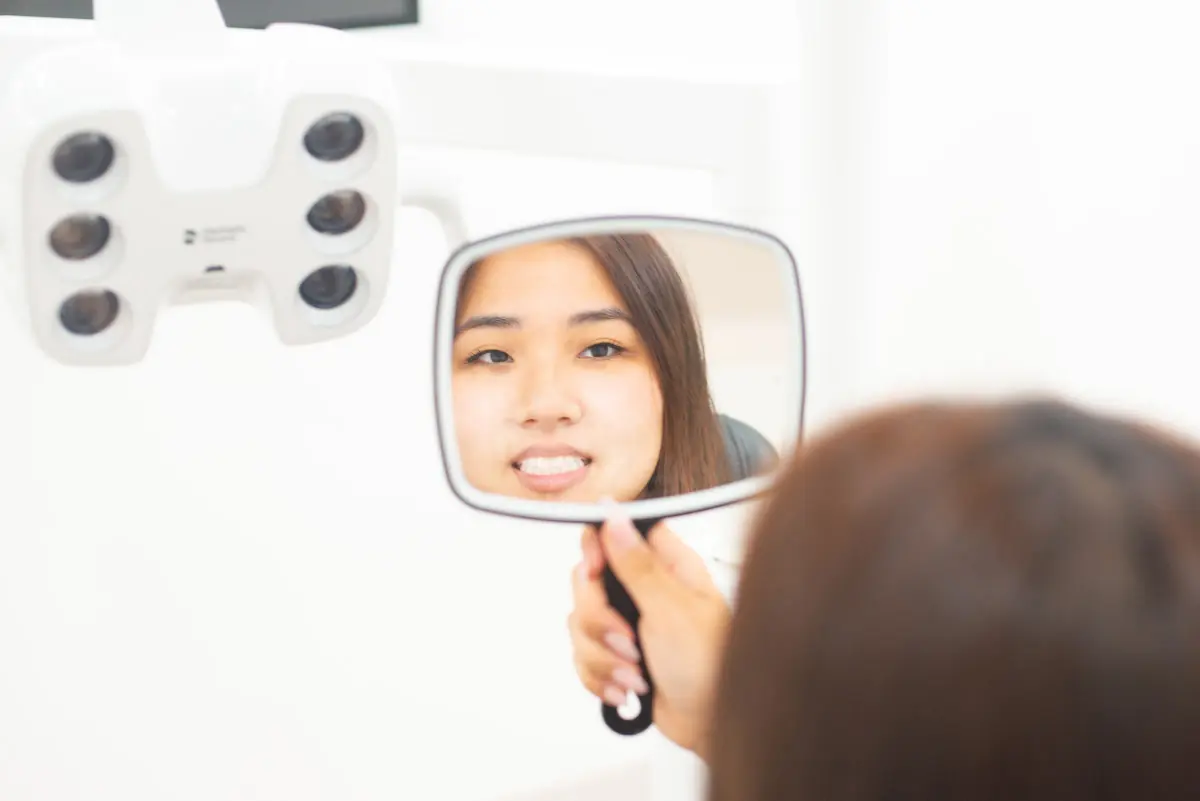
Clear aligners work well when they are worn consistently and kept clean. The trays sit directly against your teeth for 20 to 22 hours a day, so anything trapped between the aligner and your enamel stays in prolonged contact. Proper cleaning is not optional. It protects your teeth during treatment and keeps the aligners themselves clear and odour-free.
Here is a practical care guide based on what we see working well for patients at Ivy Dental in Brisbane.
Daily cleaning routine
Every time you remove your aligners
Rinse both trays under cool running water as soon as you take them out. This washes away saliva and loose debris before it dries and hardens on the plastic.
Do the same before putting them back in. A quick rinse takes ten seconds and prevents most of the build-up that causes odour and cloudiness.
Once or twice daily: brush them
Use a soft-bristled toothbrush (a separate one from the brush you use on your teeth) and clear, unscented liquid soap. Gently brush the inside and outside surfaces of each tray. Rinse thoroughly.
Do this in the morning and before bed for the most consistent results. If you can only manage it once a day, the evening clean is the more important one.
What not to use
Toothpaste. Most toothpastes contain mild abrasives designed to remove stains from enamel. On the softer plastic of an aligner tray, these abrasives create micro-scratches. Scratched aligners look cloudy and harbour bacteria in the grooves.
Hot water. Clear aligners are thermoplastic. Hot water can warp the tray, changing its shape and compromising the fit. Always use cool or lukewarm water.
Coloured or scented soap. Dyes can stain the plastic, and fragrances can leave a taste that lingers when you wear the trays.
Mouthwash. Many mouthwashes contain colour, alcohol, or both. Alcohol can degrade the plastic over time, and dyes will stain. If you want to use mouthwash, use it on your teeth before putting aligners back in, not on the trays themselves.
Deeper cleaning options
For patients who want an extra level of cleaning beyond daily brushing, there are a few options.
Aligner cleaning crystals or tablets
Products like Invisalign Cleaning Crystals or denture-cleaning tablets (such as Polident or Retainer Brite) can be used for a weekly soak. Dissolve the tablet in cool water, submerge the trays for 15 to 20 minutes, then brush and rinse. This helps remove build-up that daily brushing may miss.
White vinegar soak
A solution of one part white vinegar to three parts cool water can serve as a budget-friendly cleaning soak. Submerge the trays for 15 to 20 minutes, then brush and rinse thoroughly. The vinegar smell dissipates after rinsing.
Baking soda paste
A small amount of baking soda mixed with water to form a paste can be used occasionally to remove stubborn build-up. Apply with a soft brush, rinse well. Use this sparingly, not daily.
Caring for your teeth during aligner treatment
Clean aligners on clean teeth is the principle. If your teeth are not clean when you put the trays back in, you are sealing food debris and bacteria against your enamel for hours. This significantly increases the risk of decay.
Brush and floss before reinserting
Every time you eat or drink anything other than water, brush your teeth before putting your aligners back in. If brushing is not possible (during a lunch break, for example), rinse your mouth thoroughly with water as a minimum and brush as soon as you can.
Flossing at least once a day is important throughout aligner treatment. Food particles trapped between teeth are held in place by the aligner tray, and flossing removes what brushing misses.
Watch your snacking
Aligners need to come out every time you eat. Frequent snacking means frequent removal, which cuts into your wear time and increases the number of times you need to clean your teeth before reinserting. Many patients find it helpful to consolidate eating into defined meals rather than grazing throughout the day.
This is not just about compliance. It is about protecting your teeth from the decay risk that comes with constant cycles of eating without adequate cleaning.
Drink water with aligners in
Water is the only drink that should be consumed with aligners in place. Coffee, tea, juice, soft drinks, and alcohol can stain the trays, and sugary or acidic drinks trapped under the plastic accelerate enamel damage.
If you drink coffee or tea regularly, plan to remove your aligners first, enjoy the drink, rinse or brush, then put the trays back in.
Storing your aligners safely
When your aligners are out of your mouth, they should be in their case. This sounds obvious, but the most common reason patients need replacement trays is leaving them wrapped in a napkin at a restaurant or cafe. In Brisbane, we hear this story regularly.
Always carry your case. Keep it in your bag, your pocket, or on the table beside you when you eat. Never wrap aligners in a tissue or napkin.
Keep the case clean. Rinse and dry the case daily. A dirty case defeats the purpose of cleaning your aligners.
Do not leave aligners in direct sunlight or in a hot car. The heat can warp the thermoplastic. Brisbane summers are not kind to plastic left on a dashboard.
What to do if your aligners smell
If your aligners develop an odour despite regular cleaning, try the following:
- Soak in a cleaning tablet or white vinegar solution for 20 minutes.
- Brush thoroughly with a soft brush and clear soap, paying attention to the inside surfaces.
- Check your oral hygiene routine. Persistent aligner odour often points to inadequate brushing or flossing before reinserting.
If the smell persists, bring the trays to your next appointment. We can assess whether bacterial build-up or a fit issue is contributing.
When to contact your dentist about your aligners
Routine cleaning and care will handle most situations, but contact your aligner provider if:
- A tray cracks or breaks
- A tray no longer fits snugly after cleaning
- You lose a tray and need a replacement
- You notice white spots or new sensitivity on your teeth during treatment
- Attachments (the small tooth-coloured bumps bonded to your teeth) come loose
Addressing these issues early keeps your treatment timeline on track and prevents complications.
The cost of neglecting aligner care
Replacement trays cost money. Cavities developed during treatment cost more. Extending your treatment timeline because of poor compliance or dental issues adds both time and cost to a process that already represents a significant investment (clear aligner treatment at Ivy Dental starts from $6,500).
Twenty minutes a day of proper cleaning and care is a small commitment relative to the months of treatment and the investment involved.
Keep your aligners clean, keep your treatment on track
Good aligner hygiene is straightforward once you build the habit. Rinse when you remove, brush once or twice daily, keep your teeth clean before reinserting, and store your trays in a case. That covers most of what you need to know.
If you are considering clear aligners or have questions about caring for your current trays, the team at Ivy Dental in Everton Park and Nundah can help.
Book an aligner consultation at Ivy Dental. Call (07) 3266 7120 or visit our contact page.
Indicative pricing. Your quote may differ based on clinical assessment.