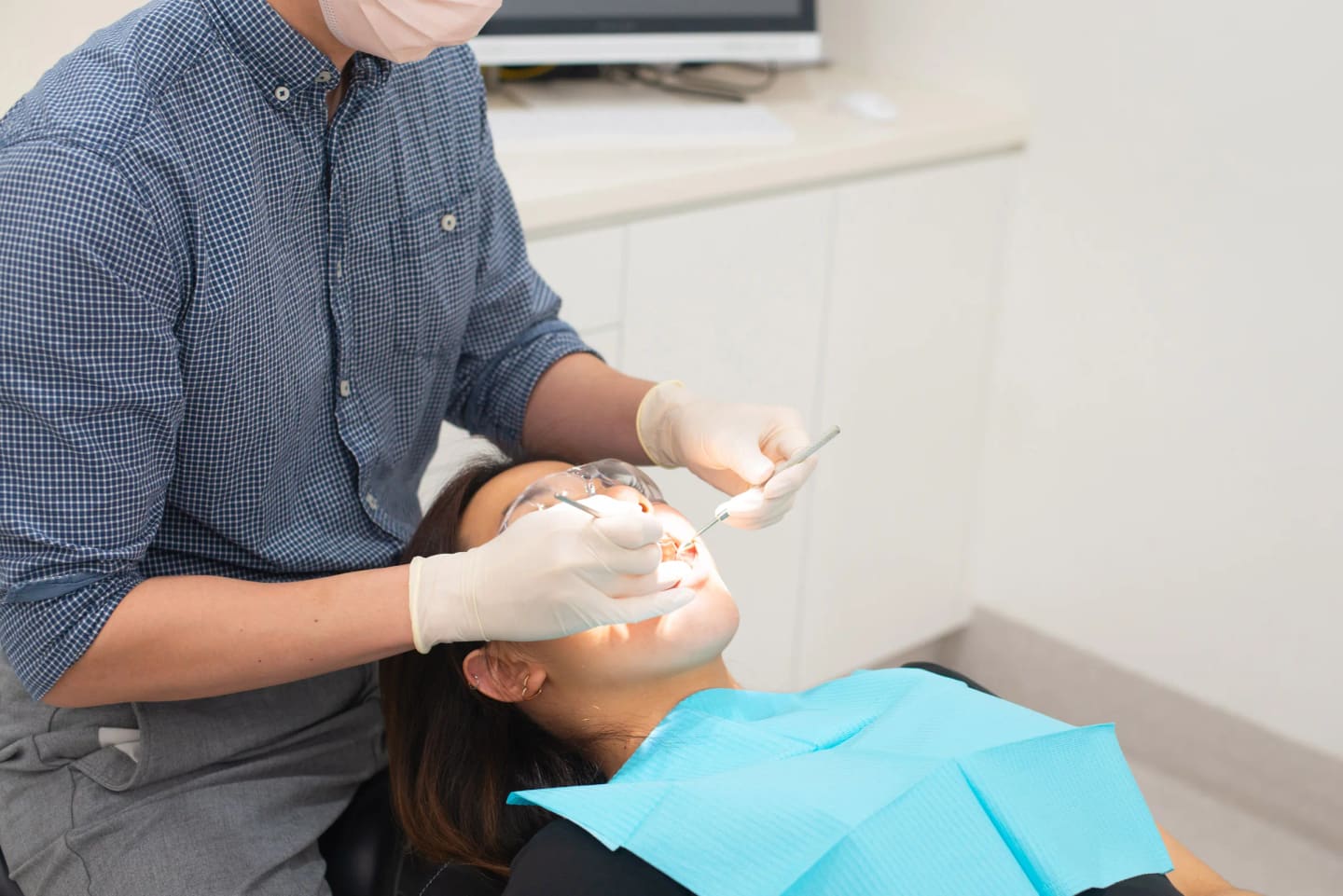
Filling costs in Brisbane depend on the size of the cavity, the tooth involved, and the material used. A small filling on a front tooth is a different proposition to a large multi-surface restoration on a molar.
This guide covers current pricing ranges, what determines the cost of your filling, and how to get the most from your health fund rebate.
Filling prices at a glance
Here is a general guide to filling costs in Brisbane. These are starting prices and your actual quote may differ.
Filling type | Starting price | Notes |
|---|---|---|
Small composite filling (1 surface) | From $180 | Single surface, minor decay |
Medium composite filling (2 surfaces) | From $250 | Moderate decay involving two surfaces of the tooth |
Large composite filling (3+ surfaces) | From $350 | Extensive decay or replacement of a large old filling |
Preventive resin restoration | From $120 | Minimal intervention for early-stage decay |
Glass ionomer filling | From $150 | Used in specific clinical situations, releases fluoride |
Indicative pricing. Your quote may differ based on clinical assessment.
Types of dental fillings
Three filling materials are commonly used in Australian dental practices.
Composite resin (tooth-coloured). The most widely used filling material in modern dentistry. It is matched to your tooth colour, bonded directly to the enamel, and can be completed in a single visit. Composite works well for small to medium cavities in both front and back teeth.
Amalgam (silver). An alloy of mercury, silver, tin, and copper with a strong track record for durability, particularly on large cavities in back teeth. Amalgam is less commonly placed today. The Australian Dental Association's position is that amalgam fillings are safe for use. There is no clinical need to replace them based on material alone.
Glass ionomer cement (GIC). A fluoride-releasing material sometimes used for fillings near the gum line, in baby teeth, or as a temporary restoration. GIC is softer than composite and amalgam, so it is not suitable for large cavities or areas that take heavy chewing force.
How long do dental fillings last?
No filling lasts forever. Composite fillings typically last 5 to 10 years. Smaller fillings tend to last longer. Fillings on front teeth (which take less chewing force) may outlast those on molars. Amalgam fillings can last 10 to 20 years or more. GIC fillings have a shorter lifespan, often 3 to 5 years.
Grinding or clenching (bruxism) shortens the life of all fillings. If you grind at night, a night guard can protect both your fillings and your natural teeth.
What affects filling cost
1. Number of surfaces involved
Dentists classify fillings by how many surfaces of the tooth are affected. A small cavity on one surface is described as a one-surface filling. A cavity that wraps around the side and top of the tooth is a two or three-surface filling. More surfaces means more material, more time, and a higher item number on the dental fee schedule.
2. Tooth position
Fillings on back teeth (molars and premolars) are typically more time-consuming than fillings on front teeth. Access is tighter, and the tooth needs to withstand heavier biting forces, which affects how the filling is placed and shaped.
3. Material
Composite resin is the standard material at most Brisbane practices today. It bonds directly to the tooth and matches the natural colour. Older amalgam (silver) fillings are still present in many patients but are used less frequently in new restorations. For a detailed comparison, see our guide on amalgam vs composite fillings.
4. Whether the old filling needs removing first
Replacing an existing filling involves removing the old material before placing the new one. This adds clinical time and may increase the cost, particularly if the cavity underneath has expanded since the original filling was placed.
When a filling becomes a crown
There is a limit to how much tooth structure a filling can replace. When a cavity or old filling extends beyond roughly 50 per cent of the tooth's width, a dental crown may be a more appropriate restoration. A crown covers and protects the entire tooth rather than just filling the gap.
Your dentist will discuss this with you if it applies. The decision is based on how much healthy tooth structure remains and the risk of fracture under normal biting forces.
Book a dental consultation at Ivy Dental.
Health fund rebates for fillings
Dental fillings are classified as general dental services. This means they are typically covered under basic or mid-level extras policies with shorter waiting periods than major dental items.
What to check with your fund:
- Your annual general dental benefit limit
- Whether you have completed any applicable waiting period
- The expected rebate for composite filling item numbers (typically items 521 to 535)
At Ivy Dental, we accept all major health funds with HICAPS on-site. You claim your rebate at the time of treatment and pay only the gap. We can provide item numbers before your appointment so you can confirm your expected rebate.
How filling costs compare across Brisbane
Filling prices in Brisbane generally range from $150 to $500 per filling depending on the practice, size, and material. Corporate dental chains may advertise lower headline prices but it is worth checking what is included in the quote. Some practices charge separately for the initial examination, X-rays, and the filling itself.
At Ivy Dental, your treatment quote includes the filling procedure and any necessary X-rays taken during the appointment. We itemise everything clearly so you know exactly what you are paying for.
The filling procedure
A standard filling appointment takes 30 to 60 minutes. The area is numbed with local anaesthetic. The decayed or damaged portion of the tooth is removed. For composite, the filling material is placed in layers, with each layer cured with a UV light before the next is applied. The filling is then shaped to match your bite and polished smooth. You can eat and drink once the anaesthetic wears off (usually 1 to 3 hours).
When old fillings need replacing
Fillings do not need routine replacement on a set schedule. Your dentist monitors them at each check-up and will recommend replacement when there is a clinical reason: visible cracks, a rough or catching edge, sensitivity around a filled tooth, dark shadows indicating new decay, or a filling that has loosened. When a filling fails, the replacement may require a crown if too much tooth structure has been lost.
Preventing fillings in the first place
Prevention is always cheaper than treatment. Regular dental check-ups allow your dentist to catch decay early, sometimes before a filling is even needed. Fluoride treatments, fissure sealants for children, and good home care all reduce the likelihood of needing fillings.
If you have not had a check-up in a while, that is a reasonable place to start. Your dentist can assess your current fillings, identify any early problems, and put together a plan that avoids larger treatments down the track.
How to get an accurate quote
The only reliable way to know what your filling will cost is a clinical assessment. Your dentist will examine the tooth, take X-rays if needed, and provide an itemised quote before any work begins.
At Ivy Dental, we see patients at our Everton Park and Nundah clinics 7 days a week. Call (07) 3266 7120 or book online.
Book a filling consultation at Ivy Dental.
Indicative pricing. Your quote may differ based on clinical assessment. Individual outcomes vary.