No. Ivy Dental does not offer sedation dentistry at Everton Park or Nundah. We do not provide IV sedation, nitrous oxide, general anaesthesia, or any form of pharmacological sedation for dental procedures.
This is one of the most common questions we receive, and we want the answer to be clear so you can make the right decision about where to go. For a detailed explanation of the difference between sedation dentistry and dental sleep medicine, see our comparison guide.
What Ivy does offer
We offer dental sleep medicine - specifically, custom oral appliances (mandibular advancement splints) for patients diagnosed with obstructive sleep apnoea or chronic snoring. This is a sleep treatment, not a sedation service. The two are clinically unrelated despite the similar-sounding names.
If you are looking for a sleep apnoea appliance as an alternative to CPAP, that is something we can help with. If you are looking for sedation during dental treatment, we are not the right practice for that specific service.
When patients usually ask about sedation
Most people asking about sedation fall into one of these groups:
- Significant dental anxiety that makes standard treatment difficult
- A complex or lengthy procedure where being sedated would be more comfortable
- A strong gag reflex that interferes with treatment
- A preference for being unaware during surgical procedures like implant placement
These are all valid reasons. Sedation dentistry exists for exactly these situations. It is not a service we provide.
When referral may be appropriate
If your treatment plan involves procedures that would benefit from sedation, we can discuss referral to a practice or hospital-based facility that offers IV sedation or general anaesthesia.
Procedures where patients commonly request sedation include:
- Complex surgical extractions (such as impacted wisdom teeth)
- Full-arch implant placement
- Extensive restorative work across multiple teeth in a single session
- Any procedure for a patient with dental phobia that has not responded to other management strategies
We would rather direct you to the right provider than attempt to manage something outside our scope. If you need both sedation and dental treatment, we can coordinate with the sedation provider so your treatment plan is managed seamlessly.
Book a consultation to discuss your options at Ivy Dental
What we can help with if you are anxious
For patients with mild to moderate dental anxiety, we take a different approach at our Everton Park and Nundah clinics in Brisbane.
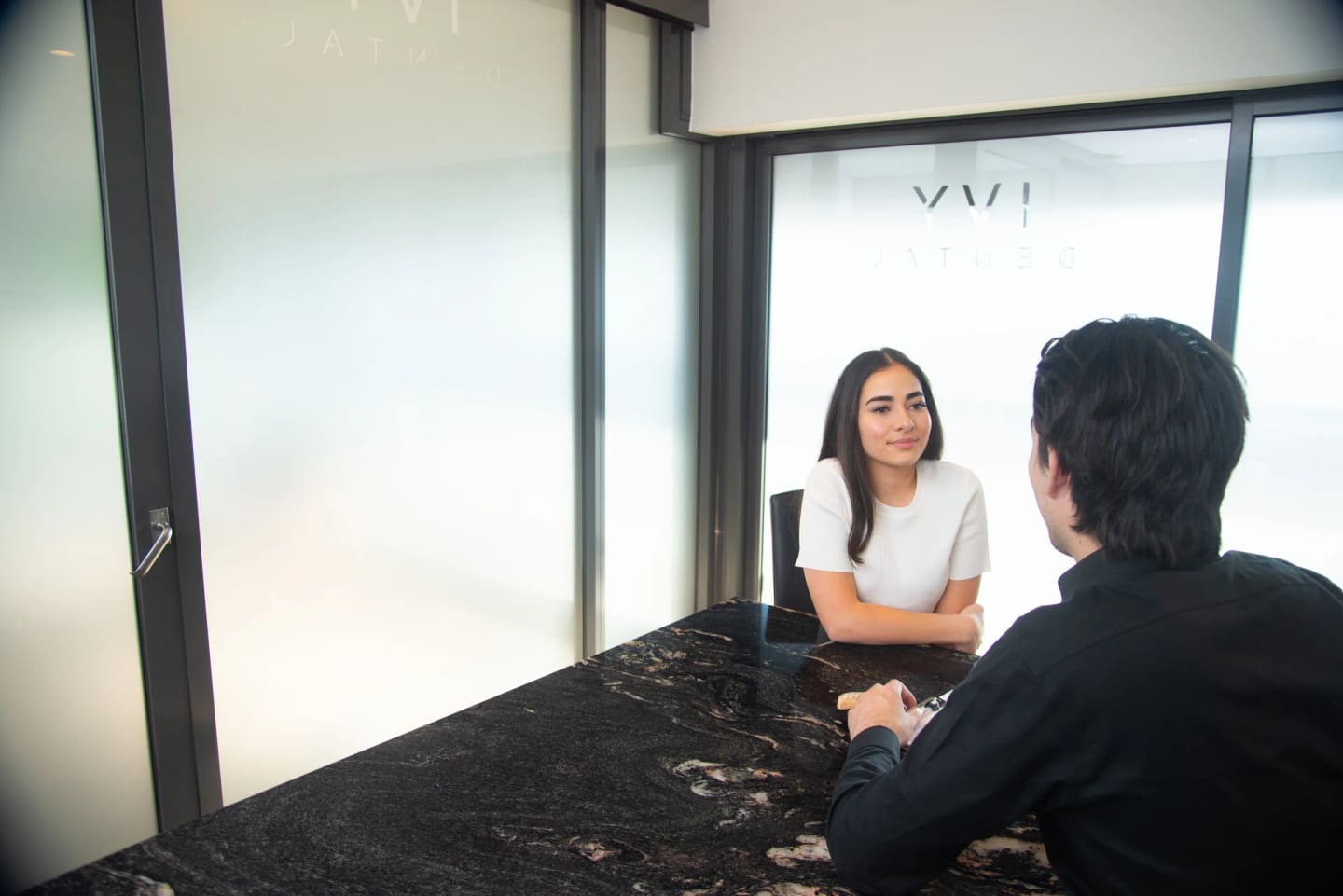
Before the appointment. Tell reception about your anxiety when you book. We allocate extra time so there is no sense of being rushed. Morning appointments are available 7 days a week and reduce the time spent anticipating the visit.
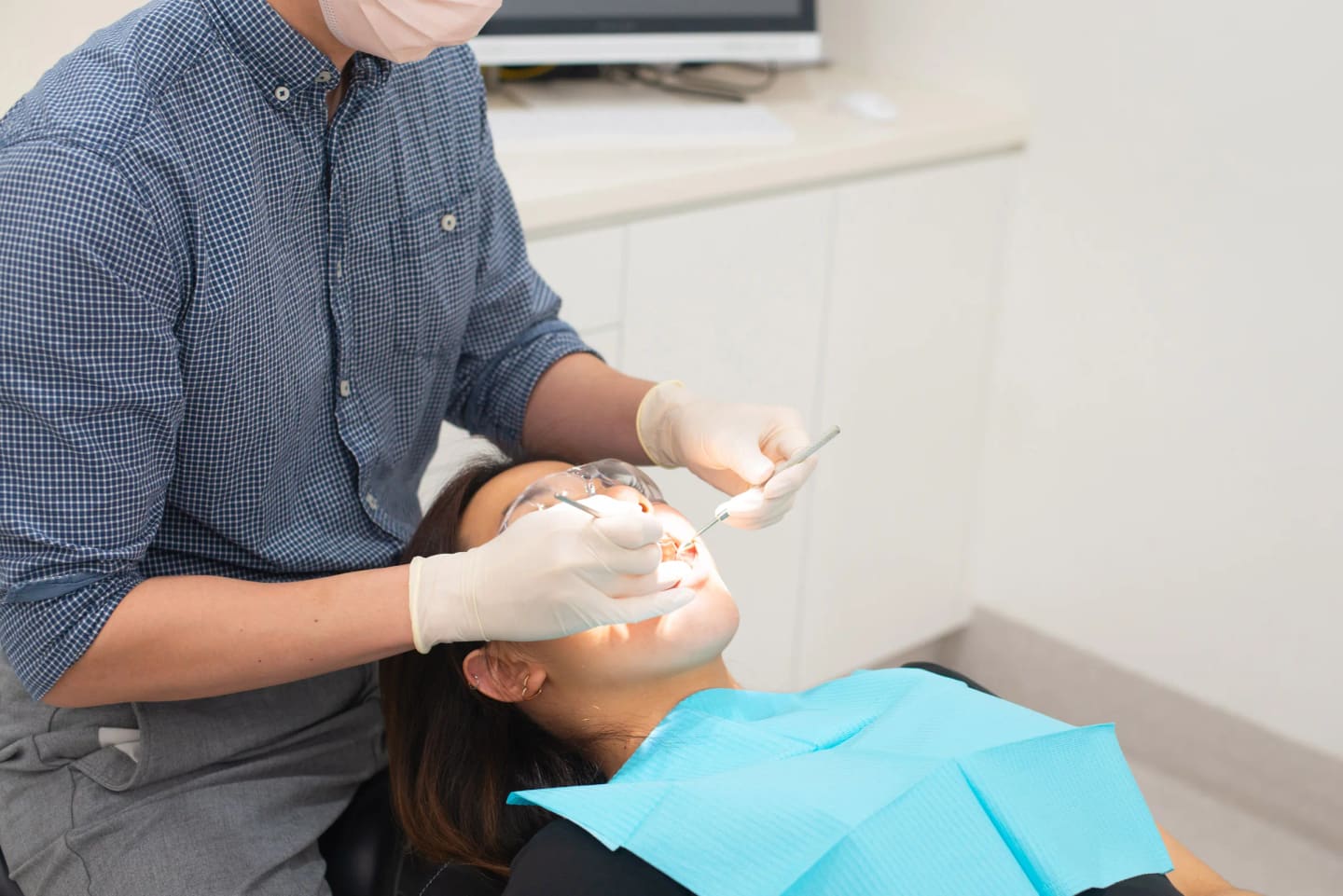
During the appointment. Your dentist explains each step before it happens. You agree on a hand signal to pause treatment at any point. Headphones are welcome. A support person can sit with you in the treatment room if that helps.
Pacing. For patients who have avoided dental care for years, we can break treatment into smaller, manageable appointments rather than trying to address everything at once. The first visit can be a conversation only, with no clinical work if you prefer.
This approach is not a substitute for clinical sedation in cases where it is needed. But for many patients, the anxiety is about uncertainty and loss of control rather than pain, and those concerns can often be managed well within a standard clinical setting.
When we recommend a GP referral
For patients with severe dental phobia, a GP referral may be appropriate. Your GP can discuss whether a short course of anti-anxiety medication before dental appointments may be helpful, or refer you to a psychologist who specialises in phobia management. Cognitive behavioural therapy (CBT) has evidence supporting its use for dental phobia.
We are happy to communicate with your GP about your dental treatment needs so they can provide the most relevant support.
Which Ivy services are available without sedation
All of them. Every service we offer, from routine check-ups through to veneers, implants, crowns, aligners, emergency care, and dental sleep medicine, is delivered without sedation. Our clinical team manages patient comfort through careful technique, communication, and appropriate local anaesthesia.
For practical strategies to manage anxiety at your next appointment, see our dental anxiety tips.
How to decide if you need sedation
Ask yourself these questions:
- Can I sit in a dental chair for 20 to 30 minutes without significant distress?
- Would clear communication, a stop signal, and a slower pace help me cope?
- Is my anxiety about a specific trigger (sounds, needles, the drill) or about the entire experience?
If your anxiety is about specific triggers, comfort-focused strategies may be enough. If the anxiety is so severe that you cannot enter a dental practice or sit through an examination despite wanting to, sedation may be the appropriate next step.
Your dentist can help you assess this during an initial consultation. There is no pressure to proceed with treatment at a first visit. You can use the appointment purely to discuss your concerns and explore options.
Next step
If you are unsure whether you need sedation or whether your treatment can be managed comfortably without it, call us. We can talk through your situation and either book you in or point you in the right direction.