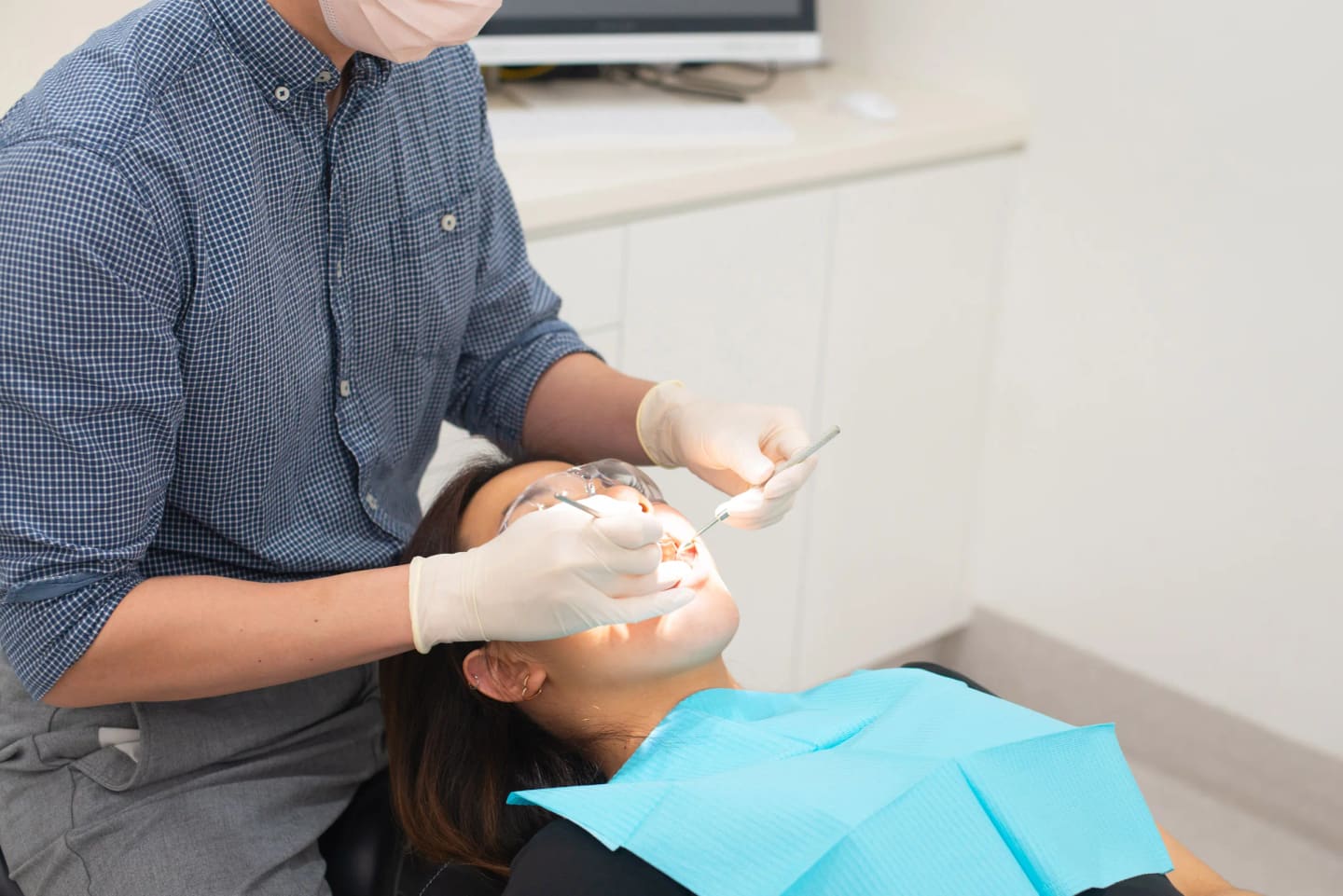
You know you should go. You have probably known for a while. Maybe a tooth has been bothering you, or it has just been too long since your last check-up. But the thought of sitting in that chair, hearing the sounds, feeling the needle, keeps pushing the appointment further down the list.
If that sounds familiar, you are not unusual. Between 10 and 20 percent of Australians have moderate to high dental anxiety. For some people, it is strong enough to keep them away for years. Common worries include needles, childhood experiences, embarrassment, sounds, and not knowing what the dentist will find.
None of those things are reasons to feel embarrassed. All of them are things a dental team hears regularly and knows how to work with.
This guide covers practical strategies for managing dental anxiety, from what to do before you book to how to get through the appointment itself.
Start by telling someone
The single most useful thing you can do is tell the dental team about your anxiety before your appointment. You do not need to explain why or give a backstory. A short sentence is enough:
- "I get quite anxious at the dentist."
- "I have not been in a long time and I am nervous about what you will find."
- "I have a strong fear of needles."
You can say this on the phone when booking, write it on the patient form, or mention it when you arrive. Sharing it before or at your visit helps the team understand what you need and adjust their approach.
Book a consultation first, not treatment
If jumping straight into treatment feels like too much, start with a consultation-only appointment. You can use the time for a conversation and decide with the dentist whether an examination or X-rays are appropriate that day.
A consultation lets you:
- Meet your dentist and see how they communicate
- Walk into the clinic and get a feel for the space
- Talk about what concerns you without the pressure of immediate treatment
- Hear what is recommended and decide on your own terms
For many patients who have avoided the dentist for years, the consultation separates the act of finding out from the act of having treatment. Those do not have to happen on the same day.
You can learn more about what a first visit involves in our dental check-up guide.
The needle: what happens
Fear of the injection is one of the most specific and common dental anxieties. It is worth knowing what the experience involves, because what you imagine is often worse than the reality.
Before any injection, your dentist applies a topical numbing gel to the gum. This dulls sensation in the area. The needle used for dental local anaesthetic is very fine, thinner than what you would encounter for a blood test or vaccination.
Most patients feel pressure and a mild sting that lasts a few seconds. Many are surprised by how little they noticed. Your dentist can also inject slowly, which reduces discomfort, and can give you a moment to prepare rather than proceeding without warning.
If the needle is your primary fear, say so. Your dentist can talk you through exactly what they are doing, when you will feel it, and how long it will last. Knowing what to expect removes the element of surprise, which is often the part that triggers the anxiety response.
Agree on a stop signal
One of the most common fears in the dental chair is loss of control. Once the dentist starts, you cannot speak easily, and it can feel like the procedure is happening to you rather than with your consent.
A stop signal changes that. Before the appointment begins, agree on a gesture, such as raising your left hand, that means "I need you to pause." Your dentist will stop, remove instruments, and give you a moment.
Knowing you can stop the appointment at any point often reduces the need to do it. The sense of control itself is what lowers the anxiety.
Practical strategies that help during the appointment
Bring headphones. Noise-cancelling earbuds with a podcast, playlist, or audiobook can block out dental sounds, which are a trigger for many people. Let your dentist know you are wearing them so they can tap your shoulder if they need your attention.
Try box breathing. Breathe in through your nose for 4 seconds, hold for 4 seconds, out through your mouth for 6 seconds. Repeat. This activates the parasympathetic nervous system and can reduce the physical symptoms of anxiety. Practice at home so it feels natural by the time you need it.
Book a morning appointment. A late afternoon appointment means spending the whole day thinking about it. A first-thing-in-the-morning slot means less time for dread to build.
Bring someone with you. A friend, partner, or family member can sit in the treatment room during your appointment. There is no age limit on wanting company at the dentist. Sometimes just having a familiar person nearby changes the feel of the room entirely.
Book a consultation at Ivy Dental and let us know about your anxiety when you call. We will make sure your appointment is set up for your comfort.
Why avoiding the dentist makes anxiety worse
This is the part nobody wants to hear, but it is important to understand. Avoidance feels like it is protecting you, but it has a compounding effect.
When you skip dental visits for months or years, small issues can become larger problems. A cavity grows. Gum inflammation progresses. A crack deepens. By the time pain or an emergency forces you to go, treatment may be more involved than it would have been earlier.
That experience confirms the belief that the dentist is unpleasant, and the avoidance continues. The cycle is predictable, and breaking it does not require you to go from years of avoidance to a full treatment session in one step.
It can start with a phone call. Or reading this article. Or booking a consultation where nothing happens except a conversation.
What if these strategies are not enough?
For some people, practical strategies like breathing techniques and stop signals provide enough support to manage dental visits. For others, the anxiety is more severe and needs additional help.
Options that may be appropriate depending on your situation:
- Longer appointments so treatment can proceed at a slower pace with more breaks
- Staged treatment where a large treatment plan is broken into smaller, more manageable visits spread over weeks or months
- Referral to a psychologist who specialises in specific phobias, including dental phobia. Cognitive behavioural therapy (CBT) has good evidence for reducing dental anxiety.
- Referral for sedation if your anxiety prevents you from receiving necessary treatment. Sedation options include IV sedation and general anaesthesia, provided by specialist facilities.
Note: Ivy Dental does not offer sedation dentistry, IV sedation, or general anaesthesia. If sedation is required, we can provide a referral. You can read more about this in our sedation dentistry article.
A note for people who have not been in years
If it has been 2 years, 5 years, 10 years, or longer since your last dental visit, and anxiety is the reason, here is what you should know:
You will not be judged. Dental teams see patients in your situation regularly. The gap does not shock or surprise anyone. The first appointment is not about fixing everything. It is about understanding where things are at, taking some X-rays if you are comfortable, and making a plan.
That plan moves at your pace. See our first visit guide for more on what the first appointment involves.
The state of your teeth after a long gap may be better than you fear, or it may need some work. Either way, knowing is better than not knowing, and the first appointment is about getting that clarity.
How Ivy Dental supports anxious patients
Our Everton Park and Nundah clinics see anxious patients every week. The team is experienced in working with people who are nervous, scared, or have avoided dental care for a long time.
When you let us know about your anxiety at booking, we note it on your file. Your dentist will be informed before you sit down. Appointments can be structured to give you more time, more communication, and more control over what happens.
If you have been putting it off, start with a conversation. Book a consultation online or call (07) 3266 7120. If this is your first time visiting, our new patients page explains what to expect. You can also visit our locations page to see which clinic is nearest to you. Let us know about your anxiety when you book, and we will take it from there.
Individual responses to anxiety management strategies vary. Your dentist can help you find an approach that suits your situation.