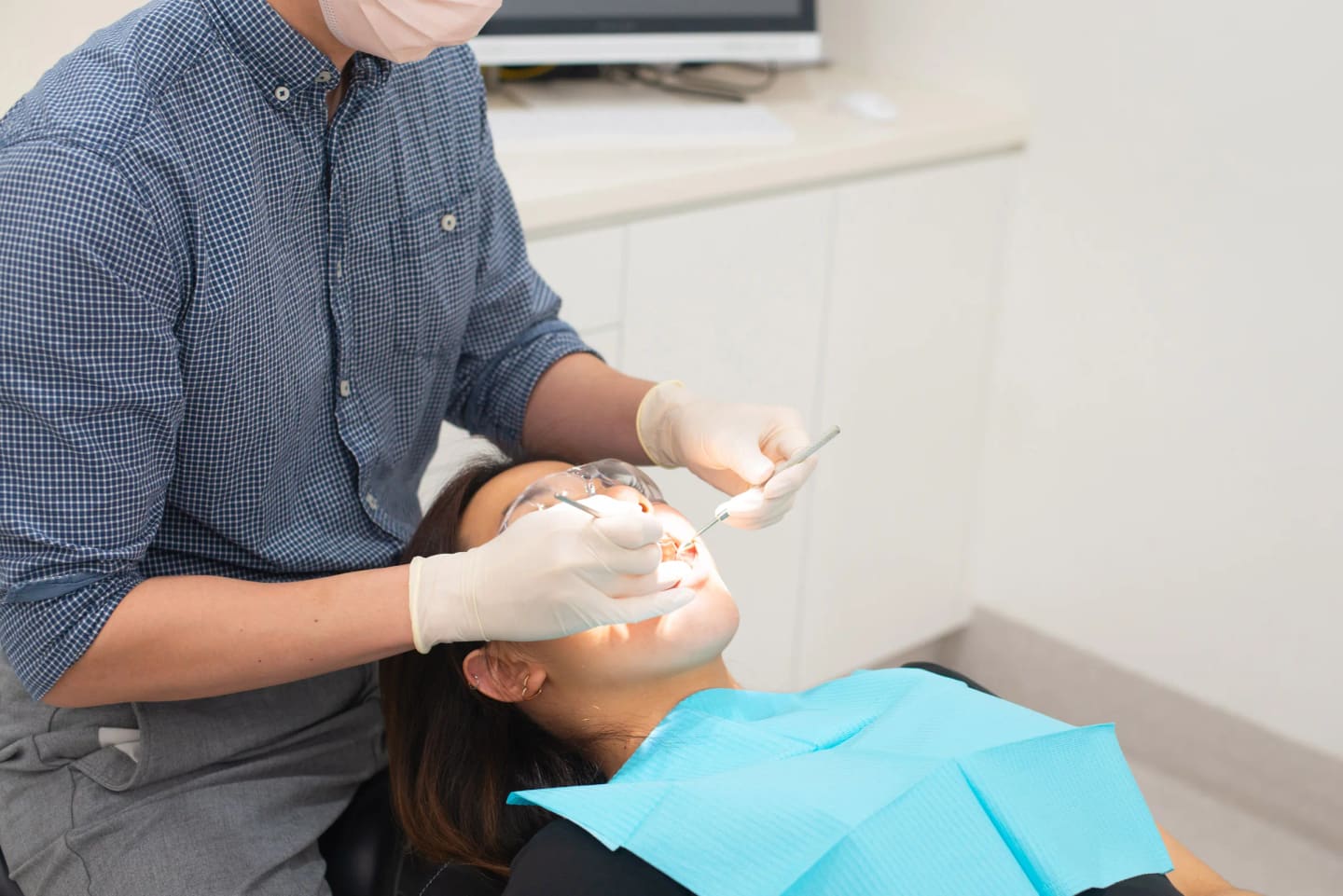
Fluoride is one of the most studied preventive tools in dentistry. Most people associate it with children's dental care, but professional fluoride treatment can benefit adults too, particularly those at higher risk of tooth decay.
This guide covers what fluoride does, who benefits most, what the evidence says, and what to expect during a professional fluoride application at the dentist.
How fluoride protects teeth
Tooth enamel loses and gains minerals throughout the day. When you eat or drink, acids produced by bacteria dissolve small amounts of calcium and phosphate from the enamel surface. This is called demineralisation.
Saliva helps reverse this process by depositing calcium and phosphate back into the enamel. Fluoride accelerates this remineralisation and makes the repaired enamel more resistant to future acid attacks.
In practical terms, fluoride does three things. It speeds up the repair of early enamel damage before it becomes a cavity. It makes the outer enamel layer harder and more acid-resistant. It disrupts the ability of bacteria to produce acid in the first place.
This is why fluoride toothpaste is recommended for all adults, and why your dentist may recommend professional fluoride in addition to what you use at home.
Professional fluoride vs at-home fluoride
There is an important difference between the fluoride in your toothpaste and the fluoride your dentist applies.
Toothpaste typically contains 1,000 to 1,500 ppm (parts per million) of fluoride. It is designed for daily use in small amounts. Brushing twice a day with fluoride toothpaste is the baseline of good preventive care.
Professional fluoride varnish contains a much higher concentration, typically 22,600 ppm. It is applied directly to the tooth surfaces by a dentist or hygienist and stays in contact with the enamel for several hours as it gradually releases fluoride.
Think of toothpaste as the daily maintenance dose and professional fluoride as a targeted boost. Most adults do well with toothpaste alone. Professional fluoride is recommended when the daily dose is not enough to keep up with the rate of enamel breakdown.
Who benefits most from professional fluoride
Your dentist may recommend professional fluoride treatment if you fall into one or more of these categories.
Dry mouth (xerostomia). Saliva is your mouth's primary defence against decay. Medications for blood pressure, antidepressants, antihistamines, and certain medical treatments can reduce saliva flow. Without adequate saliva, enamel breaks down faster. Fluoride varnish can help compensate. For more on managing dry mouth, see our dry mouth guide.
Active decay or a history of frequent cavities. If you have had multiple fillings in recent years, your decay risk is above average. Professional fluoride can help slow the cycle.
Gum recession. When gums recede, the root surfaces of teeth become exposed. Root surfaces are softer than enamel and more vulnerable to decay. Fluoride varnish applied to exposed roots can reduce this risk.
Sensitivity. Fluoride helps block the tiny tubules in exposed dentine that transmit temperature signals to the nerve. For some patients, regular fluoride application reduces sensitivity noticeably.
Orthodontic treatment. Braces and aligners can make thorough brushing more difficult. Areas around brackets or under aligner attachments may be at higher risk of demineralisation.
Dietary risk factors. Frequent consumption of acidic or sugary foods and drinks (soft drinks, fruit juice, sports drinks) increases enamel erosion. Fluoride can offer an additional layer of protection.
What the evidence says
The use of fluoride in dentistry is backed by decades of research. A Cochrane systematic review found that fluoride varnish applied to permanent teeth reduced decay by approximately 43% compared to no treatment. The Australian Dental Association supports the use of fluoride varnish for patients at elevated risk of dental caries.
Professional fluoride is not a replacement for good oral hygiene. It works well as part of a broader preventive approach that includes brushing with fluoride toothpaste, flossing, limiting sugar intake, and attending regular check-ups.
What happens during a fluoride application
Professional fluoride treatment is quick and straightforward.
Step 1. Your teeth are cleaned and dried. If you are having a check-up and clean at the same appointment, fluoride is applied after the scale and polish.
Step 2. The dentist or hygienist paints a thin layer of fluoride varnish onto all tooth surfaces using a small brush. The varnish is yellow or clear and sets on contact with saliva.
Step 3. You are asked to avoid eating, drinking hot beverages, or brushing for 30 minutes to 4 hours (depending on the product used) to allow the fluoride to absorb.
The entire application takes about one minute. There is no discomfort. The varnish may feel slightly sticky or gritty for a few hours, but this wears off naturally.
How often adults should get fluoride treatment
For adults at standard decay risk, fluoride toothpaste twice daily is sufficient. Professional fluoride is not routinely needed.
For higher-risk adults, your dentist may recommend professional fluoride every 6 to 12 months, typically at the same appointment as your regular check-up and clean.
Your dentist at Ivy Dental will assess your individual risk factors and recommend a schedule. This is part of our standard general dentistry assessment at our Everton Park and Nundah practices.
Fluoride safety
Fluoride safety concerns tend to relate to ingestion of large quantities, particularly in children. Professional fluoride varnish is applied topically in small, controlled doses. It is not swallowed in meaningful amounts. The risk profile for adults receiving professional fluoride treatment at a dental practice is very low.
If you have questions about fluoride and your health, raise them at your next appointment. Your dentist can explain the dose, the evidence, and whether professional fluoride is appropriate for your situation.
Book a preventive check-up
If you have dry mouth, recurring decay, sensitivity, or receding gums, ask your dentist whether professional fluoride could help. A standard check-up at Ivy Dental includes an assessment of your decay risk and a recommendation tailored to your needs.
Book a check-up at Ivy Dental. Call (07) 3266 7120 or request an appointment online.