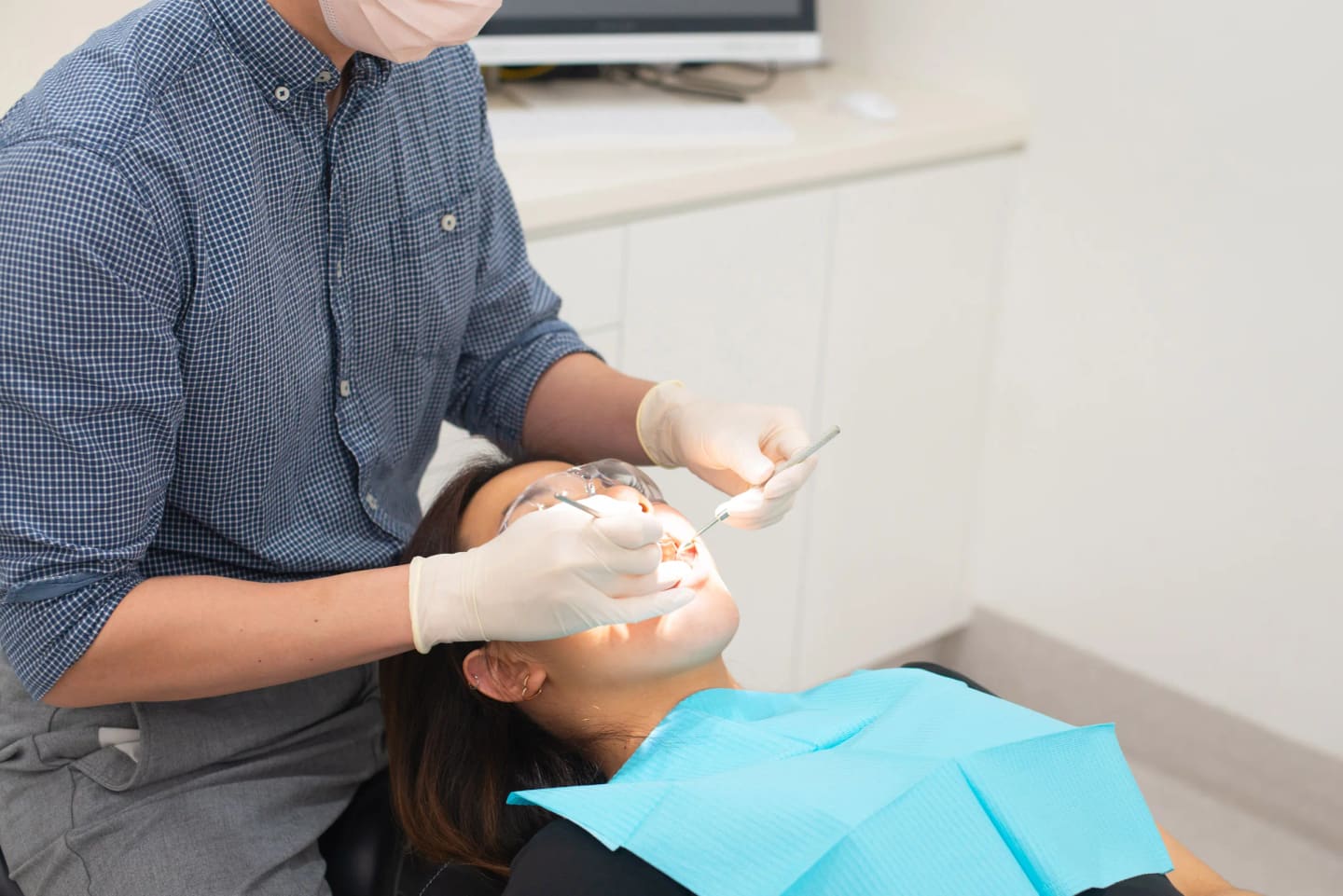
Having a tooth removed is one of the more common dental procedures, but the aftercare can feel oddly specific. The important jobs are simple: protect the blood clot, keep the area clean, eat in a way that does not disturb the socket, and know which symptoms need a review.
This guide is for a routine single-tooth extraction, such as a broken, infected, or unrestorable tooth removed under local anaesthetic. Wisdom teeth can involve multiple sockets, surgical access, and more jaw stiffness, so we keep those instructions in a separate wisdom teeth recovery guide.
Before You Leave the Chair
Your dentist will give you specific aftercare instructions tailored to your extraction. Follow those first. This guide provides general information, but your dentist's advice takes priority because they know what happened during your particular procedure.
Before you leave, your dentist will:
- Place gauze over the extraction site for you to bite down on
- Confirm whether stitches were placed (and whether they are dissolvable)
- Prescribe or recommend pain relief
- Explain what to watch for in the coming days
Make sure you understand these instructions before you leave. If you are still numb and groggy, have someone with you who can listen and take notes.
First 24 hours: protect the clot
The first 24 hours are about clot formation and bleeding management. The blood clot that forms in the socket is essential to healing. Protecting it is the single most important thing you can do on day one.
What to expect:
- Bleeding. Some oozing is normal for the first few hours. Bite firmly on the gauze your dentist provided. Replace it every 30 to 45 minutes until the bleeding slows to a light ooze. A small amount of blood mixed with saliva can look like more bleeding than it is.
- Numbness. Local anaesthetic takes two to four hours to wear off completely. Be careful not to bite your cheek, lip, or tongue while you are still numb.
- Swelling. May begin later in the day, depending on the location and complexity of the extraction.
- Discomfort. Once the anaesthetic wears off, expect soreness around the extraction site. Take pain relief as directed. Starting before the numbness fully wears off can help you stay ahead of the discomfort.
What to do:
- Rest. Avoid strenuous activity for the rest of the day.
- Keep your head elevated, including when lying down.
- Apply an ice pack (wrapped in a cloth) to the outside of your cheek. 20 minutes on, 20 minutes off.
- Eat soft, cool foods. Yoghurt, smoothies (no straw), mashed banana, lukewarm soup.
- Take prescribed or recommended pain medication on schedule.
What to avoid:
- Spitting, rinsing, or swishing. All of these can dislodge the blood clot.
- Using a straw. The suction can pull the clot out.
- Smoking. Significantly increases the risk of dry socket and delays healing.
- Alcohol. Can interfere with clotting and interact with pain medications.
- Hot foods and drinks. Heat can increase bleeding.
- Chewing near the extraction site.
The next two days: swelling and cleaning
Swelling typically peaks around 48 to 72 hours after the extraction. This is normal and does not mean something is wrong.
What to expect:
- Swelling. The area around the extraction may look puffy. This is your body's inflammatory response and is part of the healing process. Swelling is usually more noticeable after surgical extractions or extractions of lower teeth.
- Bruising. Some people develop bruising on the cheek or jaw. This is more common in older patients and resolves on its own over a week or so.
- Jaw stiffness. You may find it difficult to open your mouth wide. This is temporary.
- Reduced bleeding. By day 2, active bleeding should have stopped. A slight pink tinge to your saliva is still normal.
What to do:
- Switch from ice packs to warm compresses if swelling is uncomfortable. The warmth helps with blood flow and can ease stiffness.
- Begin gentle salt water rinses from day 2. Half a teaspoon of salt in a glass of warm water. Let the water flow gently over the site and then let it fall out of your mouth. Do not swish vigorously.
- Continue soft foods. Scrambled eggs, mashed potato, pasta, and soft bread are usually manageable by day 2 or 3.
- Continue pain medication as needed.
If you are concerned about your recovery, contact Ivy Dental
The first week: easing back into normal eating
Most people notice a clear improvement during this period. Pain decreases, swelling starts to reduce, and eating becomes easier.
What to expect:
- Pain reducing. If pain is getting worse rather than better after day 3, contact your dentist. Worsening pain at this stage can be a sign of dry socket or infection.
- Swelling going down. The puffiness should be visibly decreasing.
- The socket starting to close. You may notice the gum tissue beginning to cover the extraction site. This is normal healing.
- Stitches dissolving. If dissolvable stitches were placed, they may start to come loose around day 5 to 7. This is expected. Do not pull at them.
What to do:
- Gradually return to your normal diet as comfort allows. Avoid hard, crunchy, or sharp foods near the extraction site for at least a week.
- Continue gentle salt water rinses after meals.
- Resume normal brushing, being gentle near the extraction site.
Week 2 and beyond: tissue closure and replacement planning
By the end of the second week, the surface of the extraction site should be mostly covered with new gum tissue. Underneath, bone remodelling continues for several months, but this process does not typically cause pain or discomfort.
Simple extractions (where the tooth was fully erupted and removed in one piece) tend to heal faster. Many people feel back to normal within a week.
Surgical extractions (where the tooth was impacted, broken, or required bone removal) take longer. Two to three weeks for soft tissue healing is common, and some residual tenderness may persist.
Recognising Dry Socket
Dry socket (alveolar osteitis) occurs when the blood clot in the extraction site is lost or dissolves before healing is complete. It exposes the underlying bone and nerves, causing significant pain.
Signs of dry socket:
- A deep, throbbing pain that develops 2 to 4 days after extraction, often after initial improvement
- Pain that radiates to the ear, eye, or temple on the same side
- A visible empty socket (you may be able to see bone rather than a dark blood clot)
- Bad taste or odour from the extraction site
If you suspect dry socket, contact your dentist. At Ivy Dental, emergency appointments can be booked online at any time. During opening hours, call for phone triage and booking help. Timing depends on clinical urgency and clinic capacity. Treatment typically involves gently cleaning the socket and placing a medicated dressing to promote healing and relieve pain.
When to Contact Your Dentist
Call your dental practice if you experience any of the following:
- Bleeding that restarts heavily after the first 24 hours or does not respond to firm gauze pressure
- Fever above 38 degrees Celsius
- Swelling that worsens after day 3
- Pus or discharge from the extraction site
- Pain that intensifies rather than improves after day 3
- Numbness that persists beyond 24 hours after the extraction
- Difficulty swallowing or breathing
These may indicate infection, dry socket, or another complication that needs attention. For more information about what constitutes a dental emergency, see our emergency dental guide.
Thinking About Replacement Options
Once the extraction site has healed, you may want to consider replacing the missing tooth. Leaving a gap, particularly where back teeth are involved, can lead to shifting of adjacent teeth and changes to your bite over time.
Options for replacing a missing tooth include:
- Dental implants -- a titanium post placed in the jawbone that supports a crown. The most long-term solution for a single missing tooth.
- Dental bridges -- a fixed restoration that spans the gap using the adjacent teeth as anchors.
- Dentures -- removable partial dentures can replace one or more missing teeth.
For a full comparison, see our guide to missing tooth replacement options.
Your dentist will advise on the right timing for replacement. In some cases, an implant can be planned at the same time as the extraction. In others, a healing period of several months is needed first.
Recovery at a Glance
Timeframe | What to expect |
|---|---|
Day 1 | Bleeding, numbness wearing off, start of swelling, soft food only |
Days 2-3 | Peak swelling, jaw stiffness, begin salt water rinses |
Days 4-7 | Pain and swelling reducing, stitches dissolving, easier eating |
Week 2+ | Gum tissue closing, return to normal diet, bone healing continues beneath surface |
Ivy Dental provides extractions and post-operative care at our Everton Park and Nundah locations in north Brisbane. We are open seven days, including for emergency and urgent appointments.