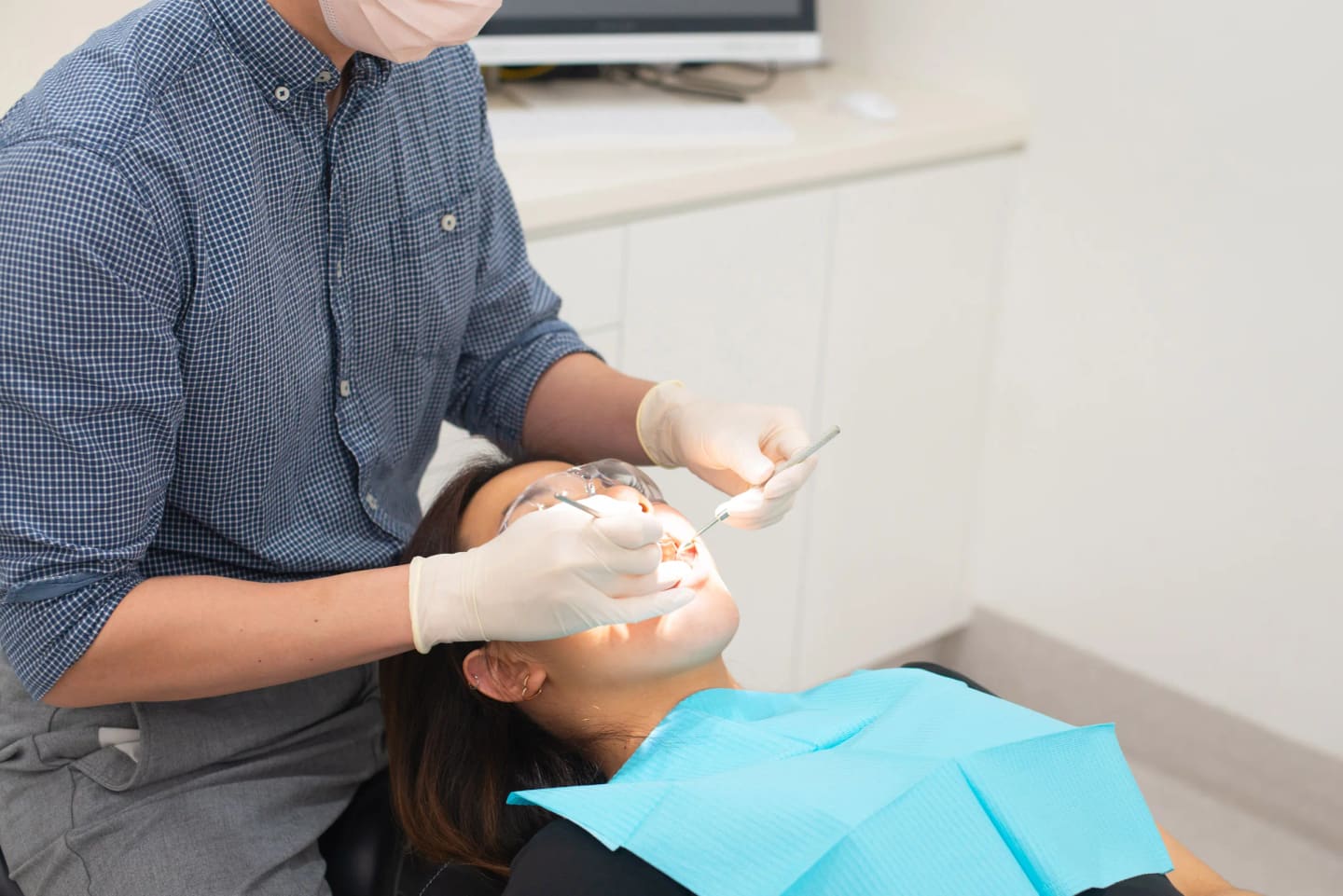
You've just had a tooth extracted. The procedure is done, but what you eat over the next few days has a direct impact on how well the site heals. The right foods support clot formation, reduce discomfort, and lower the risk of complications like dry socket.
This guide covers what to eat, what to avoid, and a practical day-by-day timeline. It applies to simple extractions and surgical extractions including wisdom teeth removal.
Day 1: Liquids and Very Soft Foods
For the first 24 hours, the blood clot forming in the extraction socket is fragile. Anything that creates suction, requires chewing, or introduces heat can dislodge it.
Good choices:
- Cool or lukewarm soup (blended smooth, no chunks)
- Yoghurt (plain, no granola or seeds)
- Smoothies (eaten with a spoon, not a straw)
- Mashed avocado
- Cool water
Rules for day one:
- No straws. The suction can pull the clot from the socket.
- No hot food or drinks. Heat increases blood flow to the area and can restart bleeding.
- No crunchy, sharp, or hard foods.
- No alcohol. It thins the blood and interferes with clotting.
- No spitting forcefully. Rinse gently if needed.
The smoothie question comes up often. Smoothies are fine as long as you eat them with a spoon or sip very gently. Do not use a straw for at least 48 hours.
Days 2 to 3: Soft Foods You Can Chew Gently
By day two, the clot is more stable but still vulnerable. You can introduce foods that require minimal chewing, eaten on the opposite side of your mouth from the extraction site.
Good choices:
- Scrambled eggs
- Mashed potato or sweet potato
- Soft pasta (well-cooked, small shapes)
- Porridge or oatmeal (cooled to lukewarm)
- Banana (mashed or cut small)
- Soft fish (steamed or baked, no crispy coating)
- Hummus
- Cottage cheese
Still avoid:
- Rice (small grains can lodge in the socket)
- Nuts and seeds
- Toast, chips, crackers
- Spicy foods (can irritate the site)
- Acidic foods like citrus or tomato-based sauces
Protein is important for healing. Eggs, fish, yoghurt, and cottage cheese are easy ways to maintain protein intake without challenging the extraction site.
Days 4 to 7: Gradually Return to Normal
Most patients can start reintroducing firmer foods from day four onward, depending on the complexity of the extraction and how the site is healing.
You can try:
- Soft bread (not crusty)
- Cooked vegetables
- Rice (if comfortable)
- Chicken (shredded or cut small)
- Soft fruit like melon or berries
If something causes pain at the extraction site, stop eating it and return to softer options for another day or two. Healing timelines vary by individual, and a surgical wisdom tooth extraction may require a longer soft diet period than a simple extraction.
Not healing as expected? If you have increasing pain after day 3, a bad taste, or the socket looks empty, contact Ivy Dental on (07) 3266 7120. These may be signs of dry socket, which is treatable but needs professional attention. Book an emergency appointment.
What Is Dry Socket and How Does Food Affect It?
Dry socket (alveolar osteitis) occurs when the blood clot in the extraction socket is lost or breaks down too early, exposing the underlying bone and nerves. It causes significant, often throbbing pain that can radiate to the ear.
Food choices directly affect dry socket risk. Crunchy or sharp food particles can physically displace the clot. Sucking through a straw creates negative pressure that can pull the clot out. Very hot foods increase blood flow, which may destabilise the clot in the first 24 hours.
Dry socket affects roughly 2 to 5% of routine extractions and up to 30% of impacted lower wisdom tooth extractions. Following the dietary guidelines above is one of the simplest ways to reduce your risk.
Nutrition Tips for Faster Healing
Your body needs specific nutrients to repair tissue after surgery. During recovery, focus on:
- Protein: Supports tissue repair. Eggs, yoghurt, smooth nut butter, soft fish.
- Vitamin C: Supports immune function and collagen production. Kiwi fruit (soft enough from day 3), capsicum (cooked soft), or a supplement if easier.
- Vitamin A: Supports mucous membrane healing. Sweet potato, pumpkin, carrots (all cooked soft).
- Hydration: Drink plenty of water. Dehydration slows healing. Avoid caffeinated drinks on day one as they can contribute to dehydration.
You do not need to buy special recovery foods. A normal balanced diet, adjusted to soft textures, covers what your body needs.
Foods People Forget to Avoid
A few common foods trip patients up:
- Popcorn: Small, sharp kernel fragments are difficult to keep away from the socket.
- Seeded bread: Seeds lodge easily in open wounds.
- Chips and crisps: Sharp edges can physically cut the healing tissue.
- Carbonated drinks: Fizz can disturb the clot in the first 48 hours.
- Alcohol: Delays healing, thins blood, and should be avoided for at least 48 hours, longer if you are taking prescribed pain medication.
A Simple Meal Plan for Recovery
Day 1: Yoghurt for breakfast. Blended pumpkin soup for lunch. Mashed avocado on soft bread (no crust) for dinner.
Day 2: Scrambled eggs for breakfast. Mashed sweet potato with hummus for lunch. Soft pasta with a cream sauce for dinner.
Day 3: Porridge with mashed banana for breakfast. Cottage cheese with soft fruit for lunch. Steamed fish with mashed potato for dinner.
Day 4 onward: Gradually reintroduce your normal diet, starting with softer versions and chewing on the opposite side.
If you had implant surgery or gum surgery
Dental implant surgery and gum surgery may require a longer soft-food period than a simple extraction. Implant sites need protection from loading during the initial healing phase. Stick to a soft diet for at least 7 to 14 days, and avoid chewing directly on the implant site until your dentist confirms it is safe.
Prepare before your procedure
The easiest way to manage your post-surgery diet is to prepare in advance. Shop for soft foods and batch-cook soups or purees the day before your appointment. Having meals ready removes the stress of figuring out what to eat while you are uncomfortable and medicated.
When to Return to Your Normal Diet
Most patients are back to eating normally within 7 to 10 days for a simple extraction, and 10 to 14 days for a surgical extraction. If you had multiple teeth removed or a particularly complex case, your dentist at Ivy Dental will give you a specific timeline.
The general rule: if it hurts to eat something, your mouth is telling you it's too soon.
Need post-extraction advice or experiencing complications? Call Ivy Dental on (07) 3266 7120. We're open 7 days across our Everton Park and Nundah locations. Book an appointment. Payment plans may be available to approved applicants.
This guide is general in nature. Follow any specific instructions given by your treating dentist, as they override general advice.