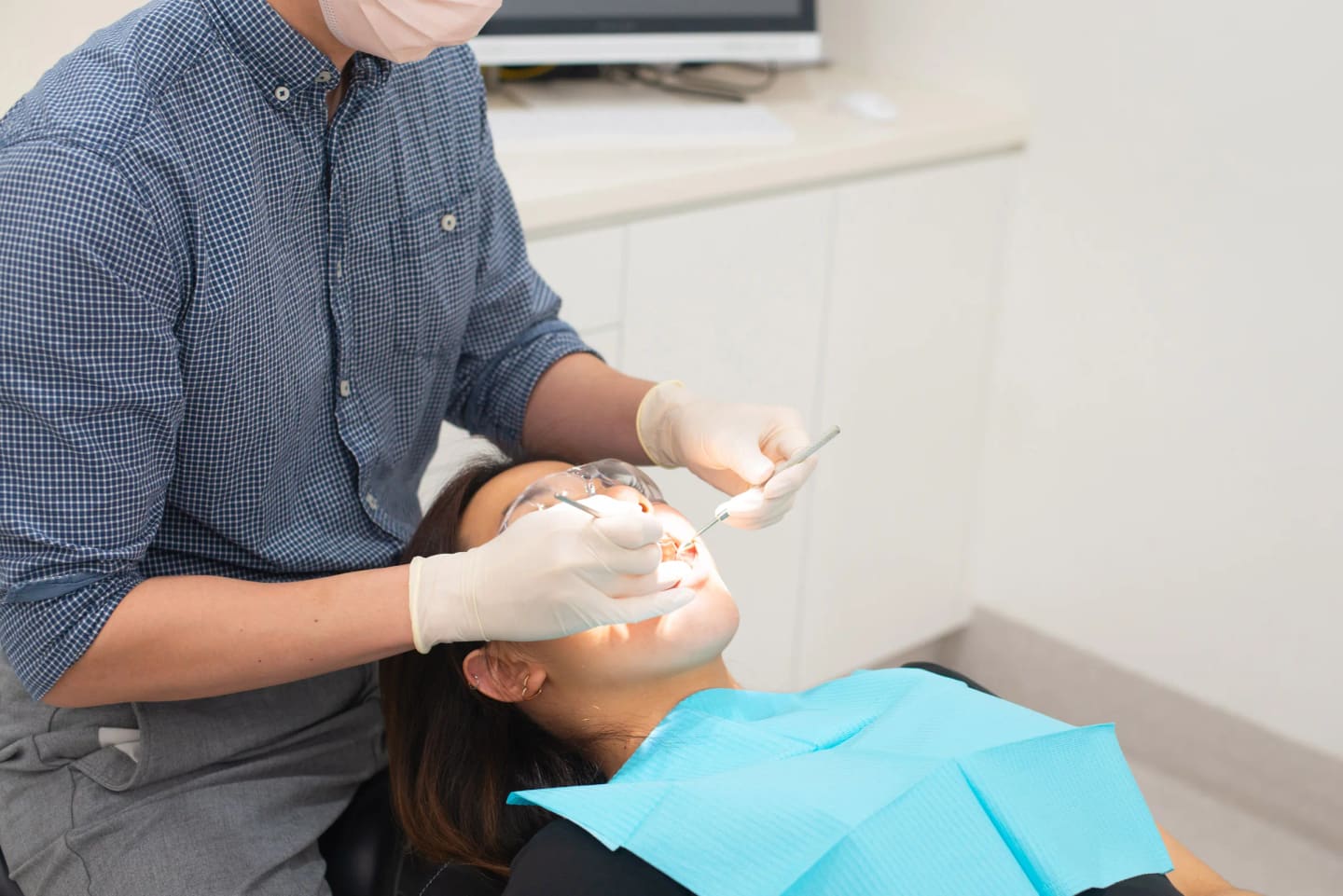
You have had a filling placed, the anaesthetic has worn off, and now the tooth feels sensitive. Cold water stings. Biting down feels off. You are wondering whether this is normal or whether something has gone wrong.
In most cases, post-filling sensitivity is a normal response that settles within a few weeks. But there are specific patterns that warrant a call to your dentist. Here is how to tell the difference.
Why fillings cause sensitivity
To understand post-filling sensitivity, it helps to know what happened during the procedure.
Your dentist removed decayed tooth structure, cleaned the cavity, and placed a filling material to restore the tooth's shape and function. During this process, the tooth was exposed to vibration from the drill, air and water from the handpiece, etching agents, bonding materials, and the curing light.
The nerve inside the tooth (the pulp) is a living tissue that responds to these stimuli. Even when the procedure goes well, the nerve can become temporarily irritated. This irritation is called reversible pulpitis, and it is the most common cause of post-filling sensitivity.
The depth of the cavity matters. A shallow filling that only involved the enamel may produce little or no sensitivity. A deeper filling that came close to the nerve is more likely to result in temporary sensitivity, because the remaining layer of dentine between the filling and the pulp is thinner, offering less insulation.
What normal post-filling sensitivity looks like
Normal sensitivity after a filling has a predictable pattern:
Cold sensitivity. A brief, sharp response to cold food or drinks that stops within a few seconds of removing the stimulus. This is the most common type and usually the first to resolve.
Air sensitivity. A sharp sensation when breathing cold air through the mouth. Brisbane winters are mild, but air conditioning can trigger this.
Pressure sensitivity. Mild discomfort when biting or chewing on the filled tooth. This should be mild and should not prevent you from eating.
Sweet sensitivity. Occasional sensitivity to sweet foods or drinks is possible in the first week or two.
The key feature of normal post-filling sensitivity is that it is triggered (something causes it) and brief (it stops within seconds when the trigger is removed). It should also be improving over time, not getting worse.
Most patients find that sensitivity peaks in the first few days and gradually decreases over two to six weeks.
When sensitivity is not normal
Certain patterns suggest something beyond routine nerve irritation. Contact your dentist if you experience:
Spontaneous pain
Pain that occurs without a trigger. If the tooth aches or throbs on its own, without exposure to cold, heat, or pressure, this may indicate that the nerve is more significantly inflamed (irreversible pulpitis) or that an infection is developing.
Lingering pain after a trigger
If you drink something cold and the pain continues for 30 seconds, a minute, or longer after the cold is removed, this is different from the brief flash of normal cold sensitivity. Lingering pain can indicate deeper nerve involvement.
Pain that worsens over time
Normal post-filling sensitivity improves day by day and week by week. If the tooth is getting more sensitive as time goes on, something may need attention.
Pain when biting that does not resolve
If biting down on the filled tooth produces a sharp, localised pain, the filling may be slightly too high. When you close your mouth, the high filling hits its opposing tooth before the rest of your teeth make contact, concentrating all the biting force on that one spot.
This is common and easily fixed. Your dentist can check your bite and adjust the filling in a short appointment, often in under ten minutes. The sensitivity from a high filling typically does not resolve on its own because the mechanical cause remains until the filling is adjusted.
Throbbing or night pain
A toothache that throbs or wakes you at night is a sign that the nerve may be significantly compromised. This warrants prompt attention. Call your dentist rather than waiting for a scheduled appointment.
Swelling or a bad taste
Swelling in the gum near the filled tooth, or a persistent bad taste, may indicate infection. Seek same-day assessment from your dentist.
Common causes of prolonged sensitivity
If sensitivity persists beyond the typical two to six week window, there are several possible explanations:
Deep filling close to the nerve
When decay extends deep into the tooth, the filling must go deep as well. The thinner the remaining layer of dentine between the filling and the nerve, the more likely the nerve is to remain sensitive for an extended period. In some cases, the nerve may not fully recover, and root canal treatment may eventually be needed.
Your dentist will have discussed this risk with you before placing a deep filling. It is a known possibility, not a treatment failure.
High bite
As described above, a filling that sits even a fraction of a millimetre too high can cause ongoing bite sensitivity. This is the most easily correctable cause of persistent post-filling discomfort.
Galvanic response (metal fillings)
If a new metal (amalgam) filling is placed near an existing metal filling of a different composition, a small electrical current can be generated by the interaction of the two metals with saliva. This can cause a sharp, momentary zapping sensation. It is uncommon with modern materials and typically resolves as the metals oxidise.
Referred pain from an adjacent tooth
Sometimes the tooth that feels sensitive is not the one that was filled. Pain can be referred from a neighbouring tooth that has its own issue. Your dentist can test individual teeth to identify the source.
What you can do at home
While waiting for post-filling sensitivity to settle:
Use a desensitising toothpaste. Products containing potassium nitrate or stannous fluoride can help reduce sensitivity over one to two weeks of regular use. Brush with it normally, and consider applying a small amount directly to the sensitive tooth before bed.
Avoid temperature extremes. Drink beverages at moderate temperatures. Avoid ice-cold water and very hot coffee on the affected side for the first week or two.
Chew on the other side. If biting triggers discomfort, favour the opposite side while the tooth settles. This is a temporary measure.
Take over-the-counter pain relief if needed. Paracetamol or ibuprofen can manage discomfort during the initial recovery period. Follow the dosage instructions on the packaging.
Do not skip brushing. Keep the area clean. Gentle brushing with a soft-bristled brush around the filled tooth is important to prevent secondary problems.
When to call your dentist
Call your dentist if:
- Pain is severe or not controlled by over-the-counter medication
- Sensitivity is getting worse rather than better after the first week
- You have spontaneous or lingering pain
- Biting down on the tooth causes a sharp, specific pain (likely a high filling)
- Symptoms have not resolved after six weeks
- You notice swelling, pus, or a persistent bad taste
At Ivy Dental, post-filling check-ups and bite adjustments are a normal part of care. If something does not feel right, call us. It is better to have the filling checked early than to wait and wonder.
A filling is a repair, not a reset
A filled tooth may be sensitive temporarily after treatment, but the cause and course vary. Symptoms that are severe, worsening, triggered by biting, localised, or persistent need review because the bite, pulp, restoration, crack, or another issue may require attention.
If you have had a recent filling and are unsure whether your symptoms are normal, the team at Ivy Dental in Everton Park or Nundah can help.
Call (07) 3266 7120 or visit our contact page to book a review appointment.
Indicative pricing. Your quote may differ based on clinical assessment.