A toothache at 10pm on a Tuesday is not interested in your schedule. The pain is there, your dentist is closed, and you need something to get through the night. This guide covers practical steps that can help manage toothache pain at home until you can see a dentist.
These are temporary measures. A toothache is a symptom of an underlying problem, decay, infection, a crack, or gum disease, and it will not resolve on its own. The goal here is to manage discomfort until professional treatment addresses the cause.
Over-the-Counter Pain Relief
Over-the-counter pain relief may help while you arrange a dental assessment, but it does not treat the cause of a toothache.
Use only a medicine that is suitable for you and follow the product label. Health conditions, pregnancy, allergies, and other medicines can affect what is safe to take. Ask a pharmacist, GP, or other treating clinician if you are unsure.
Do not combine or alternate pain medicines unless a pharmacist or clinician has confirmed that this is appropriate for you. Never place aspirin or crushed tablets directly on the gum because they can damage the tissue.
If over-the-counter pain relief is not touching the pain, this suggests a more serious issue, likely an infection or exposed nerve, and you should seek a dental emergency appointment rather than increasing the dose.
Cold Compress
Apply a cold pack wrapped in a cloth to the outside of your cheek, near the painful area. 15 minutes on, 15 minutes off.
Cold reduces blood flow to the area, which can decrease swelling and temporarily numb nerve activity. It's most effective for pain associated with swelling, such as an abscess or post-trauma toothache.
Do not apply ice directly to the skin or gum tissue.
Salt Water Rinse
Dissolve half a teaspoon of table salt in a glass of warm (not hot) water. Swish gently around the affected area for 30 seconds, then spit. Repeat 2 to 3 times.
Salt water helps because it draws fluid out of inflamed tissue (reducing swelling), creates a mildly antibacterial environment, and can flush out trapped food debris that may be contributing to the pain.
This is a rinse, not a cure. It can take the edge off mild to moderate pain and is worth doing before bed.
Clove Oil
Clove oil contains eugenol, a natural compound with anaesthetic and antibacterial properties. It has a long history of use in dentistry. In fact, eugenol is still used in some professional dental materials.
Evidence for clove oil as a home treatment is limited, and concentrated products can irritate or burn the gums. Ask a pharmacist before using it and follow the product instructions. Do not pour clove oil into the mouth or use it as a substitute for dental assessment.
Pain keeping you up at night? Book an emergency appointment online at any time. We're open 7 days across Everton Park and Nundah. During opening hours, call Ivy Dental on (07) 3266 7120 for phone triage and booking help. Timing depends on clinical urgency and clinic capacity.
Elevation
If your toothache is worse when lying flat (common with infections and abscesses), sleep with your head elevated on an extra pillow. This reduces blood pressure to the head and can decrease throbbing pain overnight.
What Probably Won't Help
A number of commonly suggested home remedies have limited evidence behind them:
- Garlic: Sometimes recommended for antibacterial properties. The active compound (allicin) is present in crushed raw garlic, but the concentration from casual application is unlikely to meaningfully affect dental infection. It may irritate the tissue.
- Whisky on the gums: Alcohol may briefly numb the surface, but it also irritates inflamed tissue and delays healing. Not recommended.
- Hydrogen peroxide rinse: Diluted hydrogen peroxide has some antibacterial effect, but it can damage soft tissue if used too frequently or at incorrect dilutions. Salt water is safer.
- Vanilla extract: The small alcohol content may provide a very brief numbing sensation. There is no meaningful clinical evidence supporting this.
- Teething gels containing benzocaine: These are designed for infant gums and are not formulated for adult dental pain. They will not penetrate to the nerve of an infected tooth.
When Home Remedies Are Not Enough
Home remedies are a bridge, not a treatment. See a dentist promptly if:
- Pain lasts more than 1 to 2 days
- You develop swelling in your face, jaw, or under your eye
- You have a fever alongside the toothache
- The pain is severe and uncontrolled by over-the-counter medication
- You notice pus, a bad taste, or discharge near the tooth
- You have difficulty opening your mouth or swallowing
Facial swelling combined with fever or difficulty swallowing can indicate a spreading infection. This is a medical emergency. If you cannot reach a dentist, go to the emergency department.
What Your Dentist Will Do
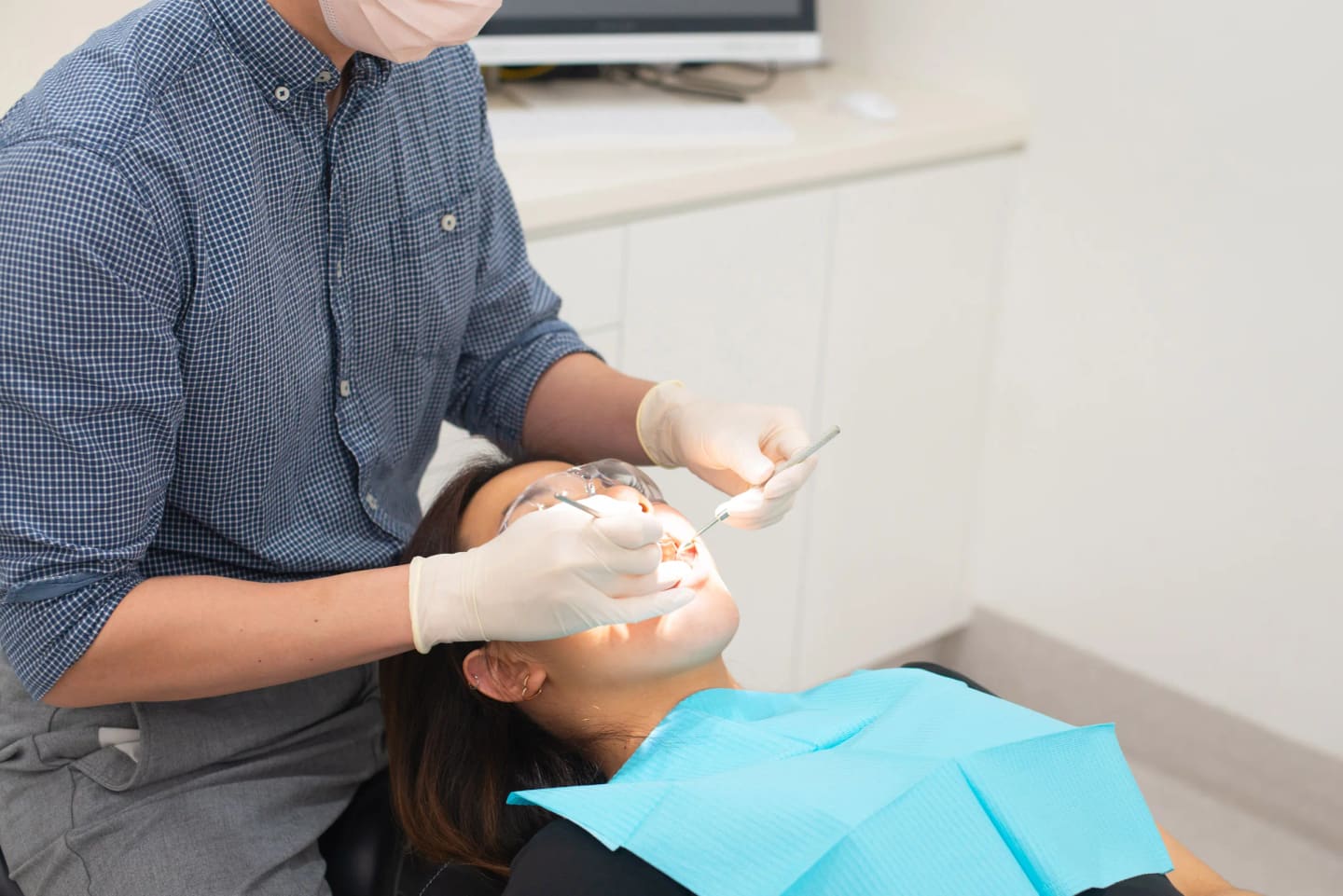
When you come in for a toothache at Ivy Dental, we'll:
- Take an X-ray to identify the source of pain
- Test the tooth to determine if the nerve is involved
- Diagnose the cause: decay, crack, infection, or gum issue
- Provide treatment or a clear plan. This might be a filling, root canal, extraction, or antibiotics depending on the diagnosis
Most toothaches can be diagnosed and treated, or at least stabilised, in a single appointment. The sooner you come in, the simpler the treatment tends to be. A small cavity that causes a twinge is a far easier fix than a deep infection that's been building for weeks.
Preventing the Next Toothache
Most toothaches are preventable with routine care:
- Six-monthly check-ups and cleans catch problems early
- Daily brushing (twice) and flossing (once) remove the bacteria that cause decay
- A mouthguard can protect against cracks from grinding
- Limiting sugary or acidic food and drinks reduces decay risk
Prevention is cheaper, less painful, and more predictable than emergency treatment.
Need to see a dentist about tooth pain? Ivy Dental is open 7 days in Everton Park and Nundah, north Brisbane. Book an emergency appointment online at any time, or call (07) 3266 7120 during opening hours. Appointment timing depends on urgency and capacity.
This guide is for temporary pain management and does not replace professional dental assessment. If in doubt, call us.