Jaw tightness
Stiffness, fatigue, or aching on waking or after periods of concentration.
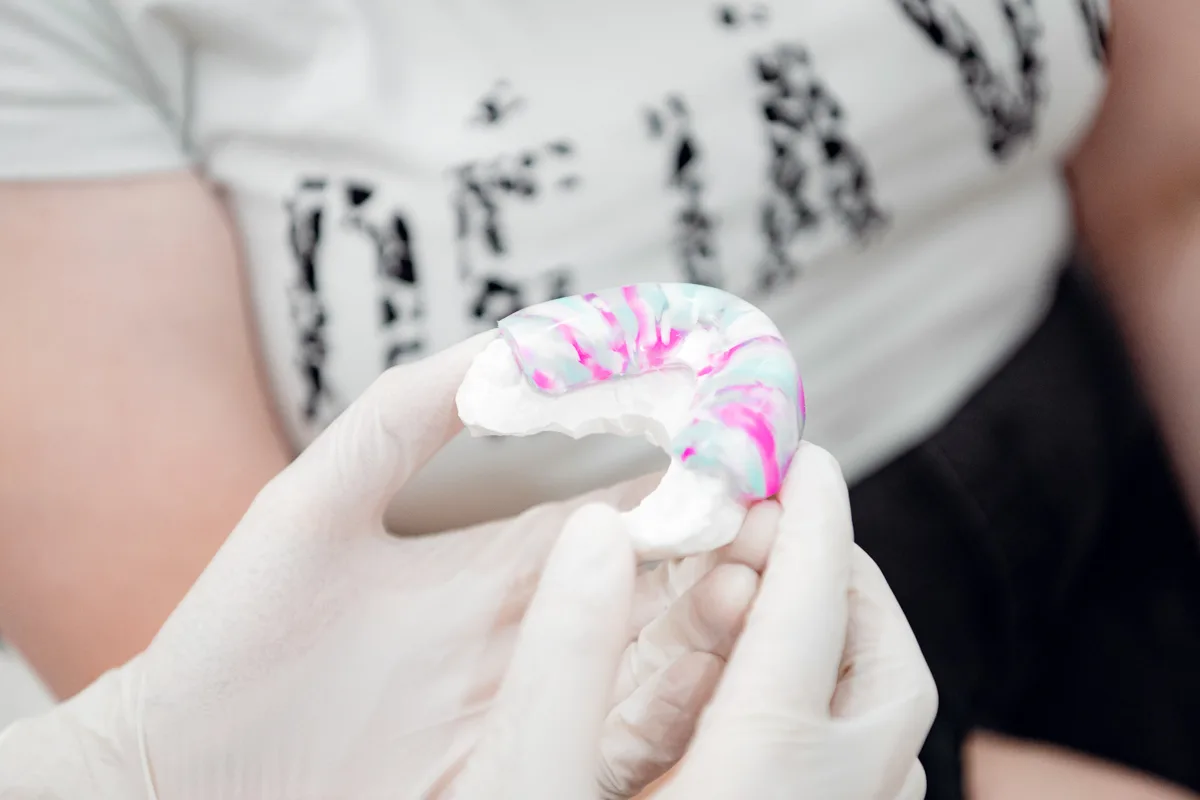
Teeth grinding and clenching can contribute to tooth wear, fractures, sensitivity, headaches, and jaw symptoms. Ivy Dental assesses the pattern and provides custom occlusal splints for selected patients at Everton Park and Nundah. A splint protects teeth but may not treat every cause of bruxism.
Grinding and clenching
A custom night guard may reduce damage from grinding or clenching. The assessment also looks for existing wear, cracked teeth, jaw symptoms, and reasons a guard may not be the whole answer.
Protection is not the same as a cure. A guard can separate and protect teeth, but it may not stop the grinding behaviour or address every contributor.
From $650Dental assessmentOngoing review
The useful distinction
Grinding and clenching are patterns, not one single disease with one single cause. A dental splint may reduce tooth-to-tooth damage and distribute load, while other contributors can require medical, sleep, behavioural, or allied-health assessment.
Possible signs
No single symptom proves bruxism. Patterns across the teeth, muscles, jaw, sleep history, and daily habits are more useful.
Stiffness, fatigue, or aching on waking or after periods of concentration.
Flattened edges, chipped enamel, exposed dentine, or changes that progress over time.
Pain on biting, temperature sensitivity, or repeated fracture of teeth and restorations.
Morning headaches, temple tenderness, or facial muscle soreness that may have more than one cause.
A partner may hear grinding, although clenching can be silent.
Fillings, crowns, veneers, or implants may show wear or repeated mechanical problems.
Before prescribing a guard
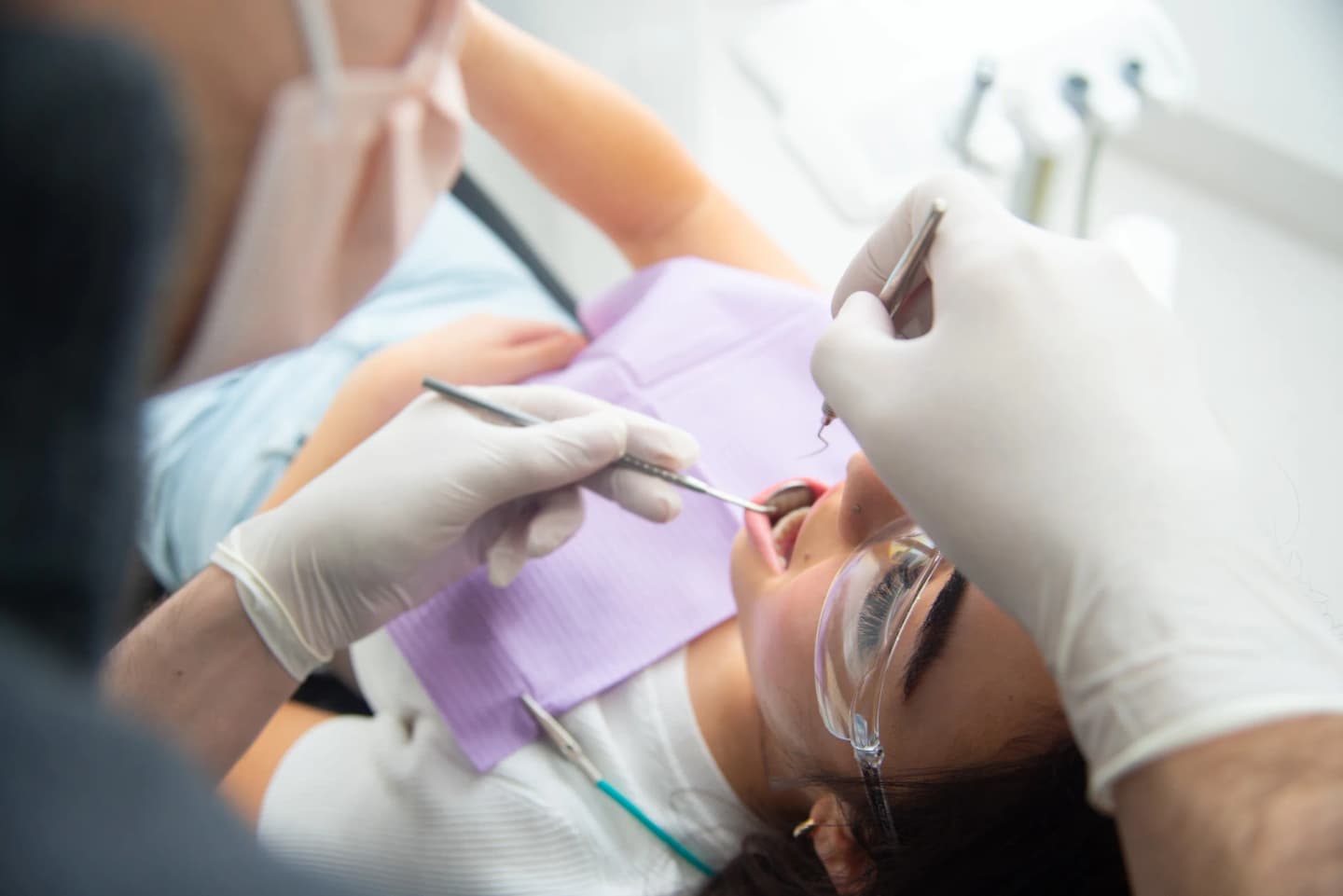
The assessment checks for damage and considers whether the pattern may relate to sleep, stress, medicines, pain, habits, or another condition.
We look for wear, fractures, mobility, sensitivity, and areas carrying heavy load.
Movement, tenderness, clicking, locking, and range of opening help define the problem.
Awake clenching and sleep bruxism are not assumed to be the same. Timing and triggers matter.
Sleep symptoms, medical history, medicines, caffeine, nicotine, alcohol, and other factors may be relevant.
Persistent headache, sleep-disordered breathing, neurological symptoms, or complex jaw pain may need another clinician.
The Ivy standard
A useful bruxism plan separates the evidence of damage from guesses about why it is happening.
We identify wear, cracks, symptoms, and restorations that need monitoring.
Fit, bite, material, and maintenance are matched to the individual.
If a splint protects the teeth but symptoms persist, the pathway should widen.
Treatment options
Protection, repair, habit support, and referral can all be appropriate. The plan should not imply that every symptom starts in the bite.
A fitted acrylic appliance designed to protect teeth and distribute forces during sleep.
Cracks, broken fillings, or severe wear may need restoration after the cause, prognosis, and protective strategy are discussed.
Advice or referral may be appropriate where sleep, stress, pain, medicines, or other health factors appear relevant.
Appliance choice
The most important difference is not branding. It is whether the appliance fits, stays in place, distributes force, and can be reviewed against your bite.
Made from records of your teeth and designed for a specific arch, fit, material, and occlusal contact.
May be bulkier, less retentive, or less even in contact. It cannot account for every dental condition or pattern.
Stop using an appliance and seek advice if it causes new or worsening jaw pain, tooth pain, looseness, or a persistent change in how the teeth meet.
Indicative fees
A quote depends on the appliance design, records required, current dental health, and whether damaged teeth need treatment.
Custom-made after dental assessment and records.
Indicative starting fee; imaging or other care may be additional.
Only for selected teeth after diagnosis and treatment planning.
The existing appliance and bite need to be checked before a separate adjustment or reline is recommended.
What can change the quote
Payment context
Health fund rebates depend on your policy, item number, waiting periods, and annual limits. HICAPS claiming is available where the fund supports it.
Your appointment
Tell us when symptoms occur, what makes them better or worse, and whether anyone has heard grinding during sleep.
Honest expectations
Results depend on the diagnosis, appliance use, dental condition, and wider contributors. Reviews are needed because teeth, restorations, and the appliance change over time.
Possible appliance issues
Reasons to widen the pathway
Common questions
These are general answers. Advice and treatment depend on an individual assessment.
Possible signs include morning jaw stiffness, headaches, worn or chipped teeth, tooth sensitivity, enlarged jaw muscles, or a partner hearing grinding. These signs can have other causes, so a dental assessment is useful before choosing a guard.
Not necessarily. A custom occlusal splint is mainly used to protect teeth, distribute forces, and support assessment. It may not stop the grinding or clenching behaviour, and it does not treat every underlying contributor.
Sleep bruxism and awake clenching can have different contributors. Stress, sleep disorders, medicines or substances, pain, habits, and other medical or dental factors may be relevant. The pattern should be assessed rather than assumed to come from the bite alone.
A custom occlusal splint starts from $650. The design, records, adjustments, and condition of the teeth can change the quote. We provide a written fee before fabrication.
An over-the-counter guard may not fit or distribute force predictably. Some people also find them bulky or difficult to retain. If symptoms are regular, teeth are damaged, or the jaw is painful, an assessment before choosing any appliance is sensible.
Yes. Grinding can occur in children and may change with growth or tooth eruption. A guard is not automatically appropriate for a growing child. Assessment is recommended when there is pain, damage, sleep concern, or persistent symptoms.
Choose a clinic
Both clinics are open 7 days. Choose the location that works best for your assessment and follow-up care.
Ivy Dental Brisbane
471 South Pine Road
Mon to Fri 8am to 5pm · Sat and Sun 9am to 5pmRequest at Everton ParkIvy Dental Brisbane
20 Nellie Street
Mon to Fri 8am to 5pm · Sat and Sun 9am to 5pmRequest at NundahA clearer first step
Request an assessment for grinding, clenching, morning jaw symptoms, or unexplained tooth wear. We will explain what a splint can and cannot do.