Skip to content

Retainer care guidance covering removable and fixed retainers, cleaning, storage, fit changes, replacement fees, and when to contact the clinic.
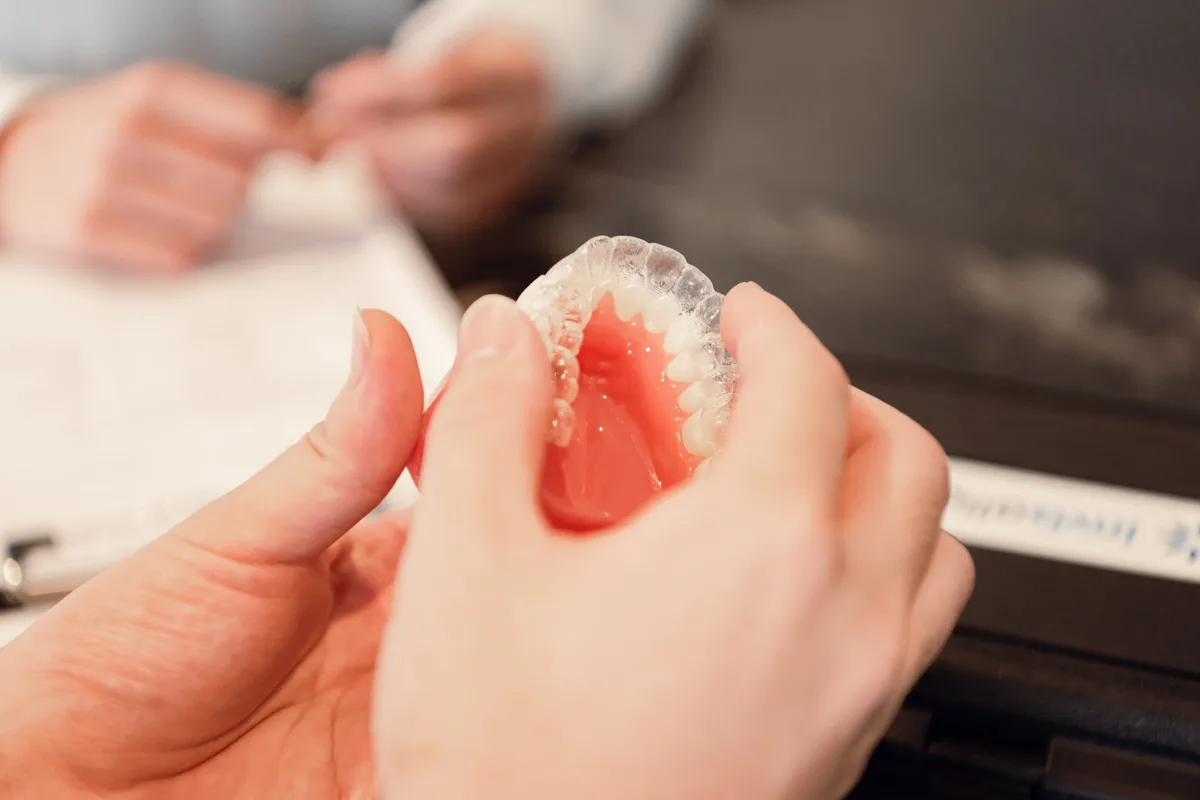
Clear retainer held over a dental model

Retainer care

Retention is part of the treatment plan.

Teeth can move after aligner or orthodontic treatment. A retainer only helps when it fits, stays intact, and is worn according to the plan made for you.

Do not force a retainer that no longer seats fully. Arrange a fit check.

Removable and fixed retainersFit and wear checksIndicative replacement fees

Retainer types

Different designs need different care.

Your own instructions come first. Some patients use a removable retainer, a fixed wire, or both.

Removable

Clear retainer

  • Removed for meals
  • Stored in a protective case
  • Cleaned using material-safe methods
  • Checked when fit or clarity changes
  • Replaced when worn, damaged, or no longer suitable

Fixed

Bonded wire

  • Attached behind the teeth
  • Needs careful interdental cleaning
  • Checked for loose bonding or distortion
  • Can remain for years when healthy and intact
  • May need repair or replacement if a section debonds

Daily care

Clean it, protect it, wear it as prescribed.

The most common problems are distortion, loss, plaque build-up, damage, and gradual loss of fit.

Helpful habits

Do

  • Rinse a removable retainer after taking it out.
  • Clean it gently with cool or lukewarm water.
  • Keep it in its case when it is not being worn.
  • Bring it to dental or orthodontic reviews when asked.
  • Clean carefully around a fixed retainer and its bonding points.

Common damage

Avoid

  • Hot water, dishwashers, or heat that can distort plastic.
  • Wrapping a retainer in a tissue or leaving it loose.
  • Eating while wearing a removable clear retainer.
  • Forcing a retainer that no longer seats fully.
  • Ignoring a loose fixed wire or a sharp bonding point.

Fit check

A small change is worth checking early.

A retainer should not be used to self-correct a significant change without clinical advice.

Tight or incomplete fit

The retainer may be distorted, worn, or showing that tooth position has changed.

Crack, split, or hole

Damage can affect fit and force distribution. Keep the retainer and arrange a review.

Loose fixed wire

A detached section may stop retaining one or more teeth and can irritate the tongue.

Lost retainer

Contact the clinic promptly. Teeth can move while a replacement is being considered or made.

New discomfort

Persistent pressure, rubbing, or pain should be assessed rather than managed by forcing wear.

Visible build-up

Clouding or deposits may need a change in cleaning method, professional cleaning, or replacement.

Replacement planning

The fee depends on the design and what changed.

Published fees are indicative. Examination, new records, repairs, replacement, or further tooth movement can change the written quote.

Indicative retainer repair and replacement costs
CompareIndicative feePlanning note
Clear removable retainerFrom $200 per archRecords, material, fit, and whether tooth position has changed
Traditional wire retainerFrom $250 per archDesign, lab work, and clinical suitability
Fixed retainer rebondQuoted after assessmentNumber of detached points and condition of the wire
New bonded wireFrom $300 per archRemoval, records, wire design, and tooth position

Do not wait for a perfect time

If a retainer is lost, broken, or no longer fits, contact the clinic promptly. The available options can change if teeth move.

Common questions

Retainer care FAQ.

How long do I need to wear my retainer?
Follow the wear schedule given by your treating dentist or orthodontic provider. Long-term retention is commonly needed because teeth can continue to move, but the type and frequency of wear should be individualized.
How should I clean a removable retainer?
Rinse it with cool or lukewarm water and clean it gently using the method recommended for its material. Avoid hot water, which can distort many clear retainers, and avoid abrasive products unless the manufacturer or clinician advises them.
What if my retainer no longer fits?
Do not force it into place. Contact the clinic promptly so the fit and tooth position can be assessed. The next step may be adjustment, replacement, monitoring, or further treatment depending on the cause.
How often do clear retainers need replacement?
There is no universal replacement interval. Material, wear pattern, grinding, cleaning, storage, and fit all matter. Replace a retainer when your clinician advises or if it becomes damaged or no longer fits correctly.
Can I eat or drink while wearing a clear retainer?
Remove it for food and for drinks other than water unless you have been given different instructions. Eating with a clear retainer can damage it and trap food against the teeth.

A considered first step

Does the retainer still fit as intended?

Book a fit check if it feels tight, loose, damaged, or no longer seats fully. Call if you are unsure what to do next.