Repeated gum infection
Recurring inflammation or infection around a partly erupted tooth that cannot be managed predictably with cleaning and monitoring.
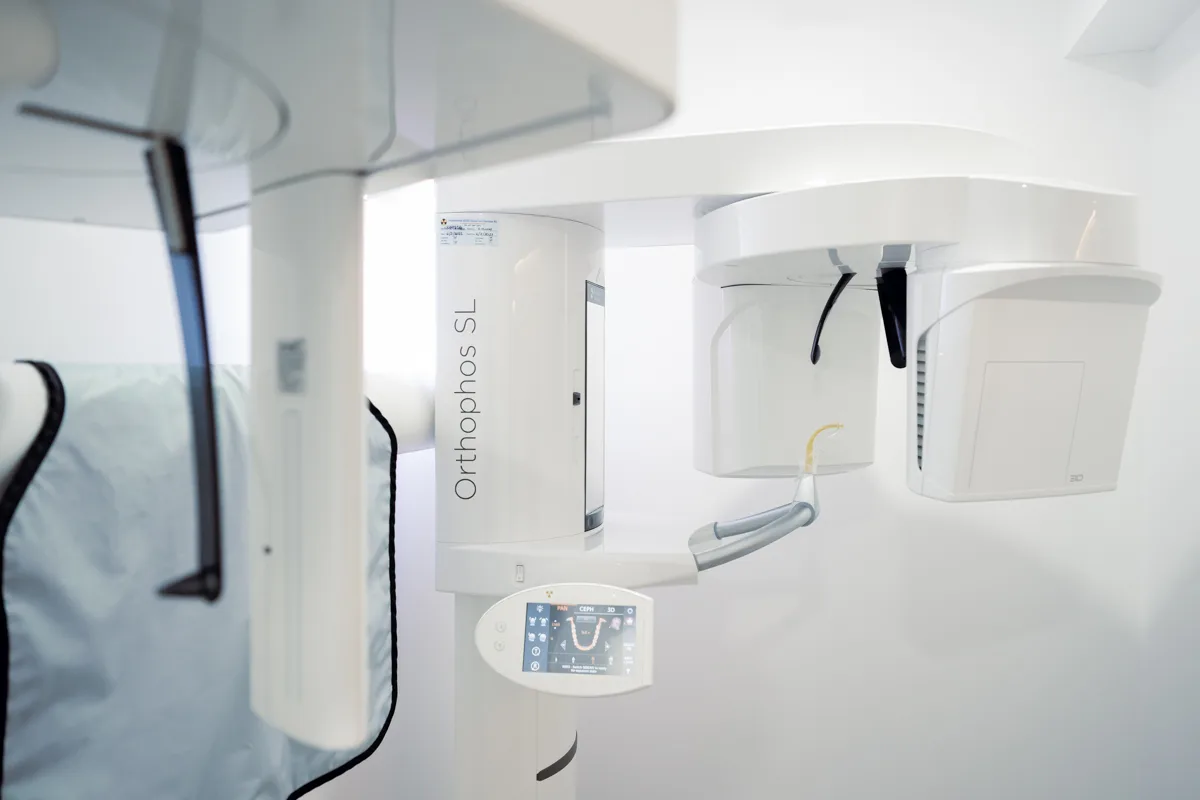
Wisdom teeth may need treatment when they cause infection, decay, pain, pathology, or damage to another tooth. Ivy Dental provides assessment and imaging at Everton Park and Nundah; extraction suitability and referral depend on individual anatomy and complexity.
Wisdom tooth assessment
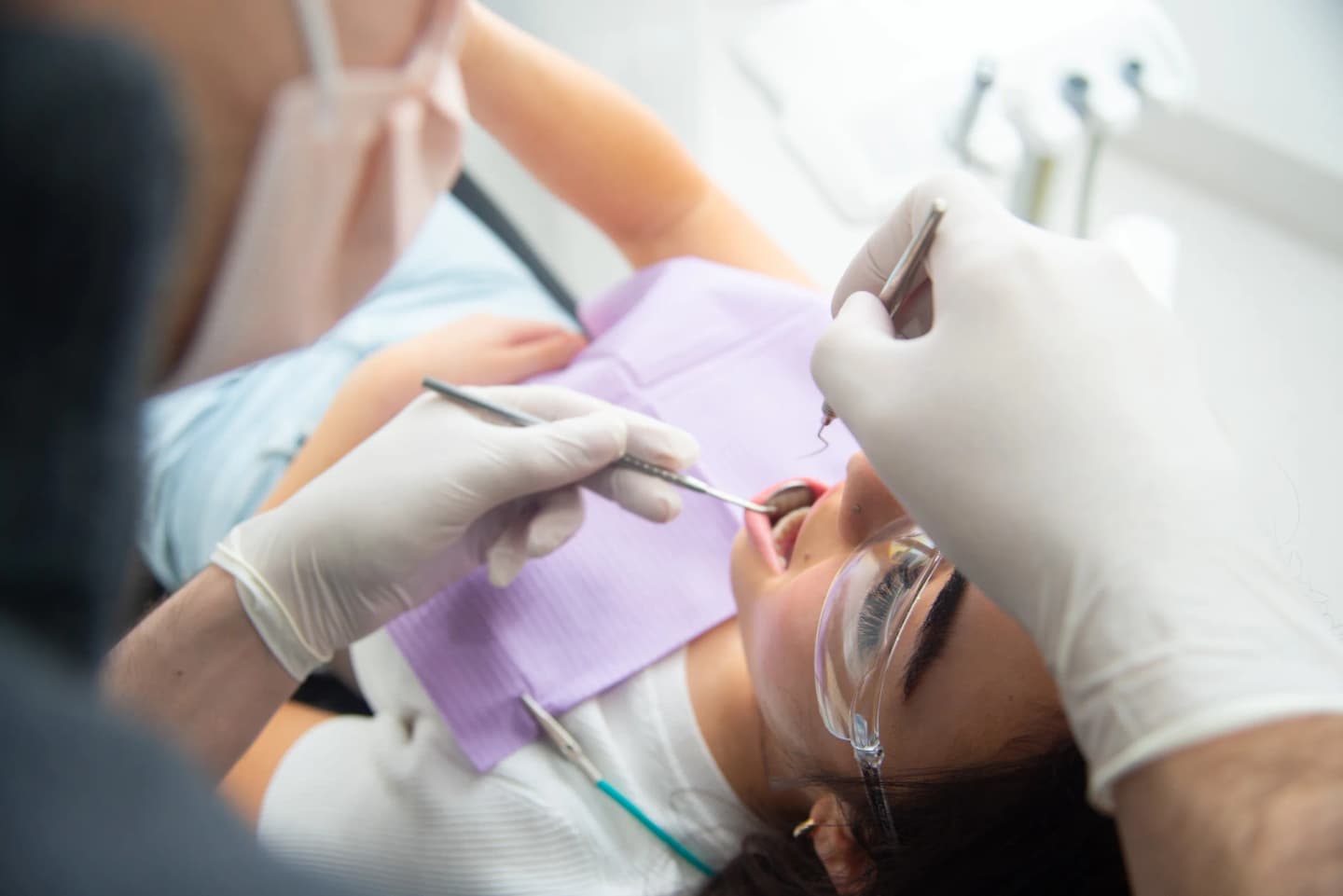
We assess symptoms, tooth position, nearby anatomy, and the likely complexity before recommending monitoring, removal, or referral.
Does it need treatment at all? A consultation should separate a tooth that can be monitored from one that is causing a clear problem.
From $250Imaging ledWritten quote
Scope and referral
Some wisdom teeth can be removed in a general dental clinic under local anaesthetic. Others are safer with specialist expertise, sedation, or hospital facilities. Imaging and clinical assessment determine the pathway.
Clinical reasons
The presence of a wisdom tooth alone is not a reason to remove it. The recommendation should be linked to symptoms, disease, or a meaningful future risk.
Recurring inflammation or infection around a partly erupted tooth that cannot be managed predictably with cleaning and monitoring.
Decay in the wisdom tooth or the adjacent second molar, especially where access makes restoration difficult.
Pressure, resorption, periodontal damage, or food trapping affecting the tooth in front.
A change seen on imaging that needs treatment or further investigation.
Symptoms that examination and imaging reasonably link to the wisdom tooth rather than another source.
Removal may be considered as part of another clinically justified plan after the risks and alternatives are discussed.
Position and access
The amount of gum or bone covering a tooth is only part of the picture. Root anatomy and nearby nerves or sinuses can be equally important.
The tooth is through the gum and can usually be approached like another extraction, subject to root shape and access.
Part of the tooth is through bone but remains covered by gum tissue.
Part of the crown remains within bone and may require bone removal or tooth sectioning.
The tooth remains within the jawbone. Specialist referral may be appropriate depending on anatomy and complexity.
A label such as 'impacted' does not by itself predict who should perform the procedure. The full assessment matters.
The Ivy standard
The most useful consultation is one where you leave knowing what the images show, whether treatment is needed, and which setting is appropriate.
We connect a removal recommendation to a specific finding or risk.
We use two-dimensional or three-dimensional imaging according to the clinical question.
When specialist care is the safer pathway, referral is part of good planning.
The pathway
You should understand the reason for treatment, alternatives, expected complexity, material risks, costs, and recovery before consenting.
We examine the mouth and review an OPG. A CBCT is considered only when extra detail may change planning.
We explain monitoring, removal, or referral and why that option fits the findings.
The plan identifies teeth, expected complexity, anaesthetic setting, indicative fees, and key risks.
If treatment proceeds at Ivy Dental, local anaesthetic is used and you receive instructions tailored to the procedure.
General recovery guide
Your instructions may differ. Follow the advice given for your procedure and contact the clinic if recovery is moving in the wrong direction.
Rest, use gauze as directed, and avoid vigorous rinsing, smoking, vaping, and drinking through a straw.
Choose soft, cool foods and use medication only as directed or appropriate for you.
Swelling and jaw stiffness can increase before improving. Gentle salt-water rinses may be advised after the first day.
Pain that worsens rather than settles deserves a call to the clinic.
Many people resume usual activities as symptoms allow, though surgical cases can take longer.
Continue the cleaning and rinsing instructions provided for the site.
Gum and bone continue to heal after discomfort has settled. Reviews or stitch removal are arranged when needed.
Call for persistent bleeding, fever, discharge, increasing swelling, worsening pain, or concerning altered sensation.
Difficulty breathing or swallowing is not routine recovery. Seek urgent medical help or call emergency services. For other concerns, call Ivy Dental on (07) 3266 7120.
Indicative fees
These are starting prices, not a personalised quote. Imaging, tooth position, surgical difficulty, and the number of teeth treated can change the total.
For selected erupted teeth after assessment.
For selected impacted teeth treated at Ivy Dental.
Panoramic imaging when clinically indicated.
Three-dimensional imaging when it may change planning.
What can change the quote
Payment context
A written quote is provided before treatment. Health fund rebates depend on your policy, item numbers, and remaining limits.
Specialist, sedation, hospital, pharmacy, or pathology fees are separate when those services are required.
Your appointment
A wisdom tooth appointment can confirm whether the tooth should be monitored, treated at Ivy Dental, or referred.
Honest expectations
The likelihood and significance of each risk depend on anatomy, health, complexity, and technique. Your dentist should discuss the risks relevant to your case.
Possible risks
Referral may be safer when
Common questions
These are general answers. Advice and treatment depend on an individual assessment.
No. Removal is considered when a wisdom tooth is causing or is likely to cause a specific problem, such as repeated infection, decay, damage to a nearby tooth, or associated pathology. Healthy wisdom teeth that are positioned well and can be cleaned may be monitored.
An OPG is commonly used to assess the tooth position, roots, neighbouring teeth, and nearby anatomy. A CBCT scan may be recommended when three-dimensional detail could change planning, such as a close relationship to a nerve. Imaging is selected after assessment.
No. Suitability depends on tooth position, anatomy, medical history, expected complexity, and the setting needed for safe care. Complex cases, or cases requiring sedation or hospital facilities, may be referred to an oral and maxillofacial surgeon or another appropriate provider.
A simple erupted extraction starts from $250 per tooth. Surgical extraction starts from $400 per tooth. Imaging and other care may be additional. A written quote is provided after assessment.
Recovery varies with the number of teeth removed, surgical complexity, general health, and the individual. Swelling commonly increases for the first 2 to 3 days before settling. We give specific aftercare instructions and explain when to contact us.
Local anaesthetic is used to numb the area for procedures completed at Ivy Dental. Pressure and movement can still be felt. Post-operative discomfort and swelling vary, and your dentist will discuss suitable pain management and aftercare.
Contact Ivy Dental on (07) 3266 7120 for worsening pain, persistent bleeding, fever, increasing swelling, an unpleasant taste with discharge, or numbness that concerns you. Difficulty breathing or swallowing needs urgent medical assessment through emergency services.
Choose a clinic
Both clinics are open 7 days. Choose the location that works best for your assessment and follow-up care.
Ivy Dental Brisbane
471 South Pine Road
Mon to Fri 8am to 5pm · Sat and Sun 9am to 5pmRequest at Everton ParkIvy Dental Brisbane
20 Nellie Street
Mon to Fri 8am to 5pm · Sat and Sun 9am to 5pmRequest at NundahA clearer first step
An assessment can clarify the cause of symptoms, the imaging needed, and whether monitoring, removal, or referral is the safer next step.