Dental anxiety is common. Research published in the Australian Dental Journal estimates that moderate to severe dental anxiety affects around 1 in 6 Australian adults. For many of these patients, the first question is about sedation. Can they be put to sleep? Can they be given gas?
Those are reasonable questions. But sedation is not the only path, and for most anxious patients, it is not necessary.
Ivy Dental does not offer sedation dentistry. We do not provide IV sedation, nitrous oxide (happy gas), or general anaesthesia. This is important to state upfront so you can make an informed decision about where to seek care. If you require sedation for your dental treatment, we can provide a referral to an appropriate provider.
What we do offer is a structured approach to managing anxiety for patients who feel nervous about dental care. This guide explains our non-sedation approach and what to discuss with your own prescribing clinician if you are considering medication.
A note on terminology: Dental sleep medicine (oral appliances for sleep apnoea) is a completely different service from sedation dentistry. We offer dental sleep medicine. We do not offer sedation. These are sometimes confused. Read more about the difference between dental sleep medicine and sedation.
If you are considering anxiety medication
Some patients ask whether prescription medication could help them attend a dental appointment. Ivy Dental does not offer oral sedation or make a general medication recommendation through this guide. Medication suitability depends on your health, other medicines, the planned procedure, and advice from the clinician responsible for prescribing it.
If you are considering medication for anxiety:
- Speak with your GP or prescribing clinician before the dental appointment.
- Follow the prescription and safety instructions they provide.
- Tell Ivy Dental what you have been prescribed when you book and again when you arrive.
- Ask the prescriber whether you need an escort or should avoid driving, work, alcohol, or other medicines.
- Do not take someone else's medication or change a prescribed dose for a dental visit without clinical advice.
If you need sedation to receive dental treatment, tell us before booking. We can discuss referral to a provider that offers sedation dentistry.
Over-the-counter options
Some patients ask about natural or over-the-counter products such as magnesium, valerian, or rescue remedy. There is limited clinical evidence supporting these for dental anxiety specifically. If you find them helpful for general anxiety, there is no harm in using them before an appointment, but discuss any supplements with your dentist and GP to ensure there are no interactions with other medications.
Non-medication strategies that work
For most anxious patients, the interventions that make the most difference are not pharmaceutical. They are communicative and procedural. Here is what we find effective at Ivy Dental.
Tell us before treatment starts
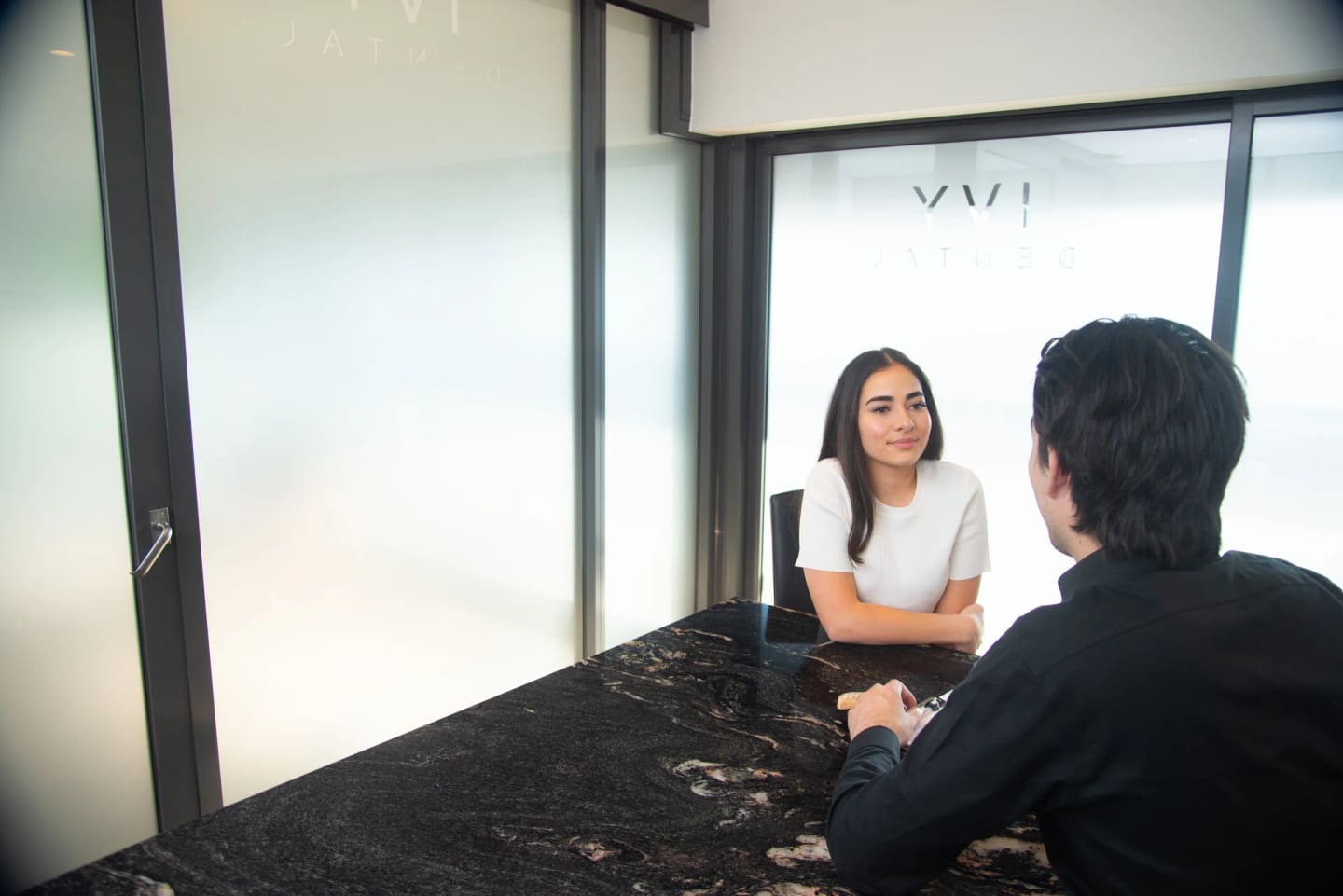
The single most effective thing you can do is tell the dental team that you are anxious. You do not need to explain why or justify it. A sentence when you book the appointment is enough: "I am a nervous patient and I would appreciate a slower pace."
This information changes how the team prepares for your visit. We allocate additional time, adjust our communication, and plan breaks into the procedure.
If you are visiting for the first time, our new patients page walks through what to expect so there are no surprises.
Agree on a stop signal
Before any treatment begins, your dentist will establish a stop signal with you. This is usually raising your left hand. When you signal, everything stops immediately. No questions asked.
Having a stop signal gives you control. Many patients report that just knowing they can stop reduces anxiety to the point where they rarely need to use it.
Gradual exposure and in-chair coping tools
Graduated exposure
If your anxiety has prevented you from visiting a dentist for years, the idea of jumping straight into a complex procedure is overwhelming. It does not have to work that way.
A graduated approach might look like:
- First appointment: Consultation only. You sit in the chair, have a conversation with the dentist, and leave. No instruments, no treatment.
- Second appointment: A simple, non-invasive procedure such as a check-up and scale. Low stakes, short duration.
- Third appointment and beyond: Introduce clinical treatment gradually, building on the trust established in earlier visits.
This approach takes longer. It also works. Patients who have avoided dentistry for a decade or more have successfully completed complex treatment plans using this method.
Distraction techniques
Many patients find that distraction helps them cope during treatment. Options include:
- Headphones and music. Bring your own playlist. Not being able to hear the sounds of the instruments can significantly reduce anxiety.
- Focused breathing. Slow, deep breaths through the nose. Your dentist can pause to let you reset if needed.
- Visual focus. Some patients prefer to close their eyes. Others prefer to watch something on their phone (held up by the dental assistant) during longer procedures.
Room setup, clinical technique, and pacing
Environment
Dental anxiety is partly clinical and partly environmental. The sounds, the smells, the bright light overhead. Small adjustments can help:
- Noise-cancelling headphones or earbuds with your own music
- Sunglasses to reduce the overhead light
- A blanket if you tend to feel cold in the chair
These are available at our Everton Park and Nundah practices. You do not need to ask permission. Just mention it and we will set it up.
Clinical technique
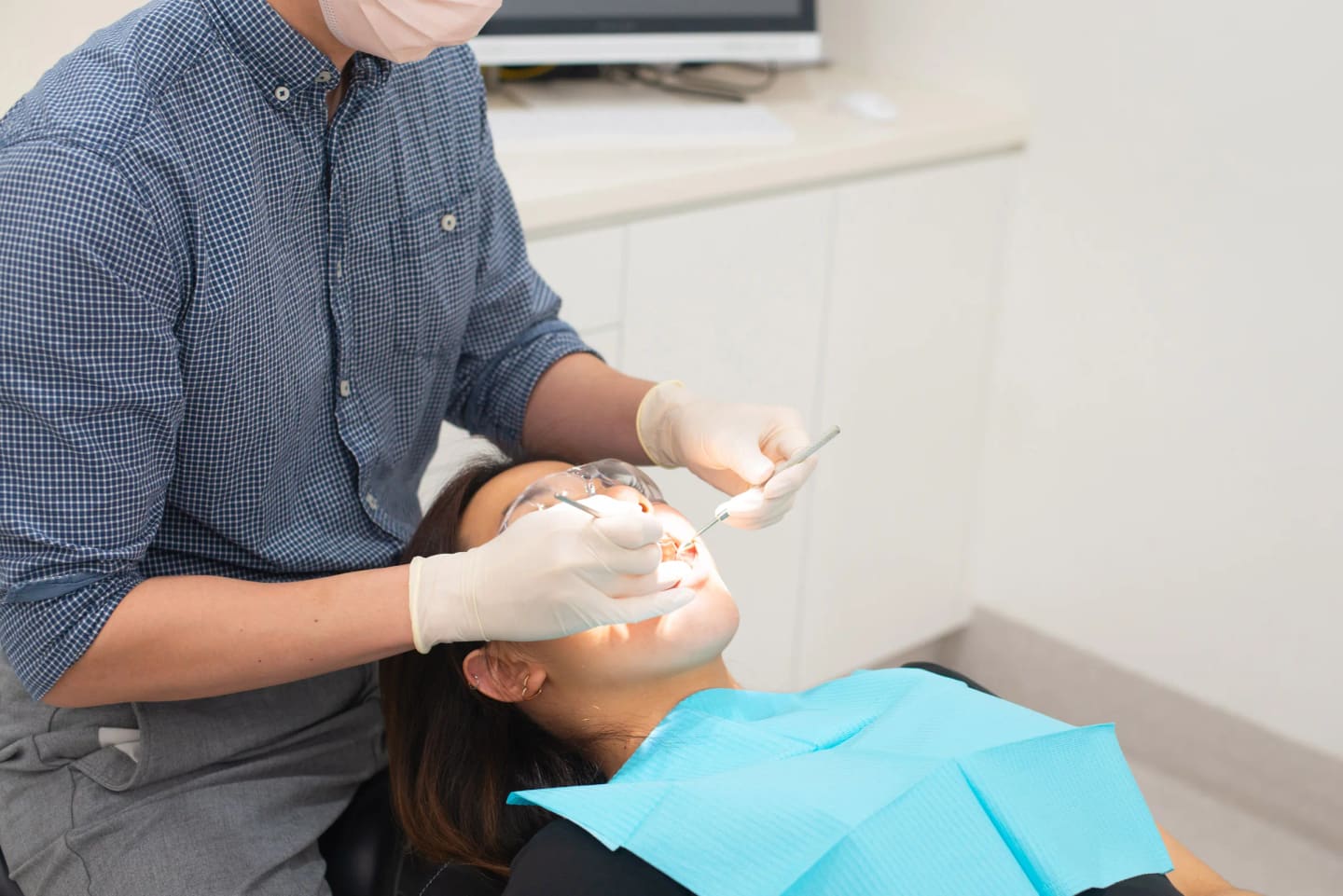
Anxious patients often fear pain. At Ivy Dental, we use techniques designed to minimise discomfort:
- Topical anaesthetic applied before injections. The numbing gel reduces the sensation of the needle.
- Slow injection technique. Administering local anaesthetic slowly reduces the pressure sensation that many patients find unpleasant.
- Allowing time for anaesthesia to work. We do not begin treatment until you are fully numb. If you can still feel something, tell us and we will administer more.
Pacing and breaks
Not every procedure needs to be completed at maximum speed. For anxious patients, we pace treatment to allow breaks. A 45-minute procedure might take 55 minutes with two short pauses. If a longer treatment is involved, we can discuss splitting it across multiple shorter appointments.
When anxiety is too severe for these approaches
Some patients have anxiety or phobia so severe that non-sedation strategies are insufficient. This is not a failure on anyone's part. Dental phobia is a recognised condition, and some patients need additional support.
Options for these patients include:
- Referral for sedation. If you need IV sedation or general anaesthesia for your dental treatment, we can refer you to a provider who offers this. Treatment may be performed at a day hospital or specialist facility.
- Psychological support. Cognitive behavioural therapy (CBT) has strong evidence for treating specific phobias, including dental phobia. A psychologist experienced in phobia treatment can help you develop strategies that reduce the anxiety over time.
- Combined support. Some patients work with a psychologist while using a gradual dental-care plan. If a separate prescribing clinician recommends medication, follow that clinician's advice and tell the dental team before treatment.
Choosing the right approach for you
There is no single solution for dental anxiety. The right approach depends on the severity of your anxiety, the treatment you need, and your personal preferences.
Communication, pacing, and a gradual approach can help many people with mild to moderate anxiety. More severe dental phobia may need psychological support, and some patients may need referral to a provider that offers sedation. Any medication decision belongs with the clinician responsible for prescribing it.
The starting point is a conversation. Tell us what you are anxious about, and we will work with you to find an approach that makes treatment possible. Whether you need a routine check-up or something more involved, we adjust our pace to your comfort level.
Book a consultation at Ivy Dental
We see nervous patients every day at our Everton Park and Nundah practices in Brisbane. If anxiety has been keeping you from the dentist, you are welcome to start with a consultation-only appointment. No treatment. No pressure.
Call us on (07) 3266 7120 or book online.