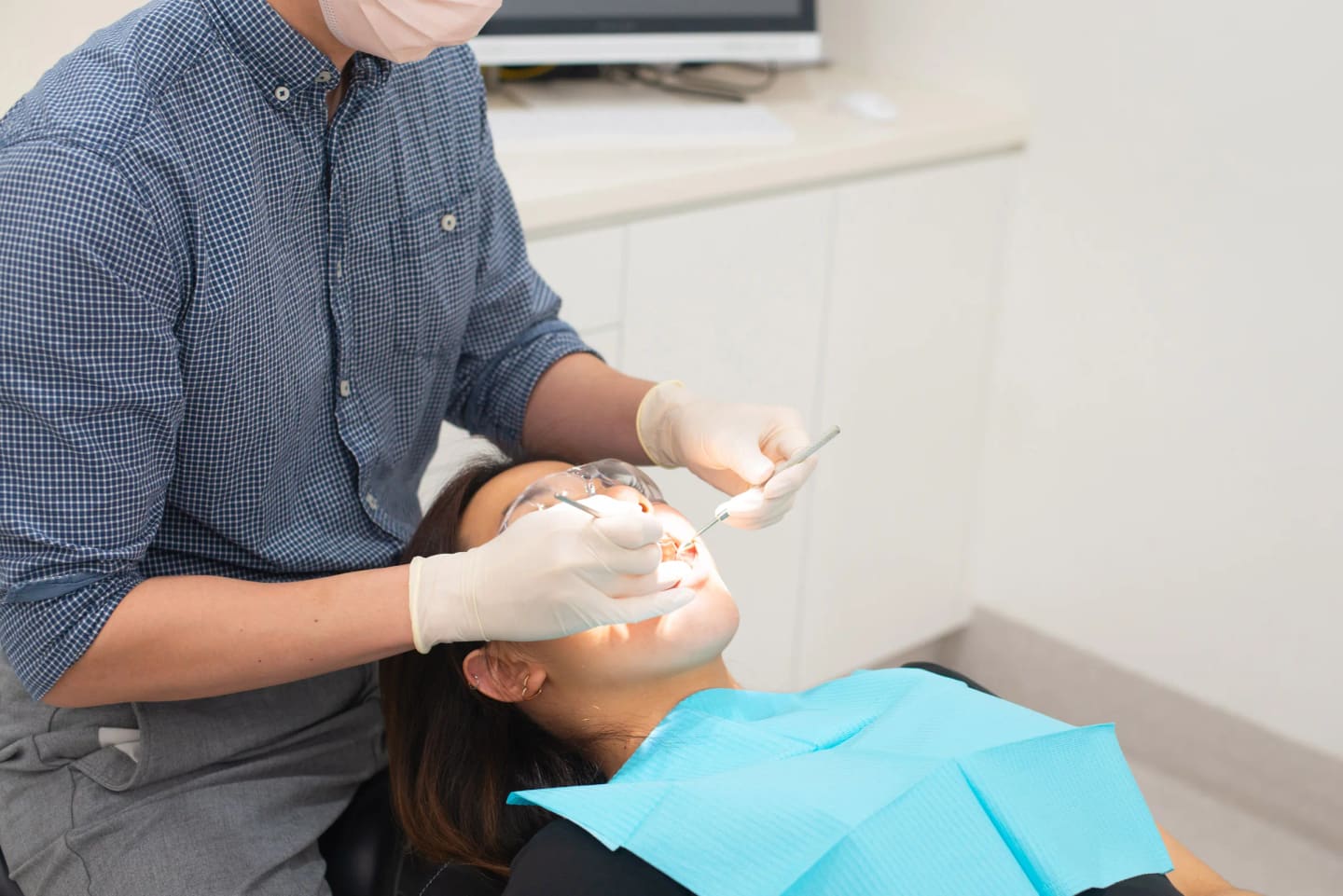
Menopause brings a long list of changes. Hot flushes, sleep disruption, mood shifts. Oral health is rarely at the top of that list, but it should be on it.
Declining oestrogen levels affect the mouth in ways that many women do not expect. Gums that were healthy for decades can become inflamed. Teeth that were never sensitive start responding to hot and cold. Dry mouth appears seemingly out of nowhere.
Understanding the connection between hormones and oral health means you can manage these changes before they become problems.
How oestrogen affects your mouth
Oestrogen plays a role in maintaining the health of your oral tissues. It influences blood flow to the gums, the density of the jawbone, and the function of your salivary glands.
As oestrogen levels decline during perimenopause and menopause, several things can happen:
Reduced saliva production. Saliva protects your teeth by neutralising acid, washing away food debris, and delivering minerals that strengthen enamel. Less saliva means more vulnerability to decay and a dry, uncomfortable mouth.
Changes in gum tissue. Lower oestrogen can make gum tissue thinner and more prone to inflammation. The gums may appear redder, bleed more easily during brushing, or feel tender.
Bone density changes. The jawbone, like other bones in the body, can lose density after menopause. This is relevant for gum disease progression and for the long-term stability of dental implants.
Altered taste. Some women report a metallic or altered taste sensation during menopause. This is thought to be related to hormonal effects on taste receptors.
Burning mouth sensation. A burning or scalding feeling in the mouth, tongue, or lips can occur during menopause. The exact mechanism is not fully understood, but it is associated with hormonal changes and nerve function.
Dry mouth: the most common dental issue during menopause
Dry mouth (xerostomia) affects a significant proportion of women during and after menopause. It is more than uncomfortable. Saliva is your mouth's natural defence system. Without adequate saliva flow, the risk of tooth decay, gum disease, and oral infections increases.
Signs of dry mouth include:
- A sticky, dry feeling in the mouth or throat
- Difficulty swallowing dry foods without a drink
- Cracked lips
- A rough or burning tongue
- More frequent cavities, particularly at the gum line
Management strategies:
Sip water throughout the day. Keep a bottle within reach, particularly during Brisbane's warmer months when dehydration compounds the problem.
Use a saliva substitute or oral moisturising gel. Your dentist or pharmacist can recommend options.
Chew sugar-free gum. This stimulates saliva production. Look for products containing xylitol, which has some evidence for reducing decay-causing bacteria.
Avoid alcohol-based mouthwashes. They dry the mouth further. Choose a gentle, alcohol-free rinse.
Review your medications with your GP. Many common medications (blood pressure drugs, antidepressants, antihistamines) contribute to dry mouth. A medication review may identify alternatives.
Use a fluoride toothpaste and consider a prescription-strength fluoride rinse. Your dentist can advise on this.
Gum disease risk increases
The combination of hormonal changes, potential dry mouth, and natural ageing creates conditions that favour gum disease. If you already have early-stage gingivitis (gum inflammation), menopause can accelerate its progression to periodontitis (bone loss around teeth).
Warning signs:
- Gums that bleed when you brush or floss
- Red, swollen, or tender gums
- Gums pulling away from teeth (recession)
- Persistent bad breath
- Teeth feeling looser
If you notice any of these, book an appointment rather than waiting for your next scheduled check-up. Early intervention makes a significant difference in outcomes.
At your dental visit, we measure the depth of the pockets around each tooth. Pockets deeper than 3mm may indicate active gum disease. Treatment ranges from thorough professional cleaning to scaling and root planing for more advanced cases.
Bone density and your jaw
Osteoporosis and osteopenia (reduced bone density) are well-known concerns after menopause. The jawbone is affected along with the rest of the skeleton.
Reduced jawbone density can:
- Accelerate tooth loss from gum disease, because there is less bone supporting the teeth
- Affect the success of dental implants, though implants can still be placed in patients with reduced bone density in many cases
- Contribute to changes in how dentures fit, as the ridge of bone they sit on gradually remodels
If you are taking bisphosphonate medications for osteoporosis, tell your dentist. These medications can affect healing after certain dental procedures, particularly extractions. Your dentist needs to know so they can plan treatment accordingly.
Calcium and vitamin D intake, weight-bearing exercise, and not smoking all support bone density. Your GP can advise on whether bone density testing is appropriate for you.
Tooth sensitivity and enamel erosion
Sensitivity to hot, cold, sweet, or acidic foods can increase during menopause. This is often related to:
Gum recession exposing the root surfaces, which are not covered by enamel and are more sensitive.
Enamel erosion from dry mouth (less saliva to buffer acids) or from dietary habits.
Tooth grinding (bruxism), which can intensify during periods of stress or hormonal change.
Sensitive teeth can usually be managed with desensitising toothpaste, fluoride treatments, or protective sealants applied by your dentist. If grinding is a factor, a night guard can protect your teeth.
Practical steps for oral health during menopause
You do not need to overhaul your routine. Small adjustments make a measurable difference.
Maintain or increase your dental visit frequency. If you are experiencing symptoms, ask your dentist whether 4-monthly check-ups would be beneficial during this transition period.
Use fluoride strategically. A high-fluoride toothpaste (available from your dentist) can help protect against the increased decay risk from dry mouth.
Stay hydrated. Brisbane's subtropical climate means dehydration is a real factor, particularly in summer. Adequate water intake supports saliva flow.
Do not skip flossing. Gum health is more important than ever. Daily flossing or interdental brushing removes plaque from areas your toothbrush cannot reach.
Communicate with your healthcare team. Let your dentist know about your menopausal status, any medications you are taking, and any oral symptoms you have noticed. This information helps us tailor your care.
Book a dental check-up
If you are approaching or going through menopause and have noticed changes in your mouth, a check-up is a sensible starting point. We can assess your gum health, check for dry mouth effects, and put a plan in place.
Ivy Dental is open 7 days at Everton Park and Nundah. Call (07) 3266 7120 or book online. A general dentistry check-up is the right starting point for assessing menopause-related oral changes.