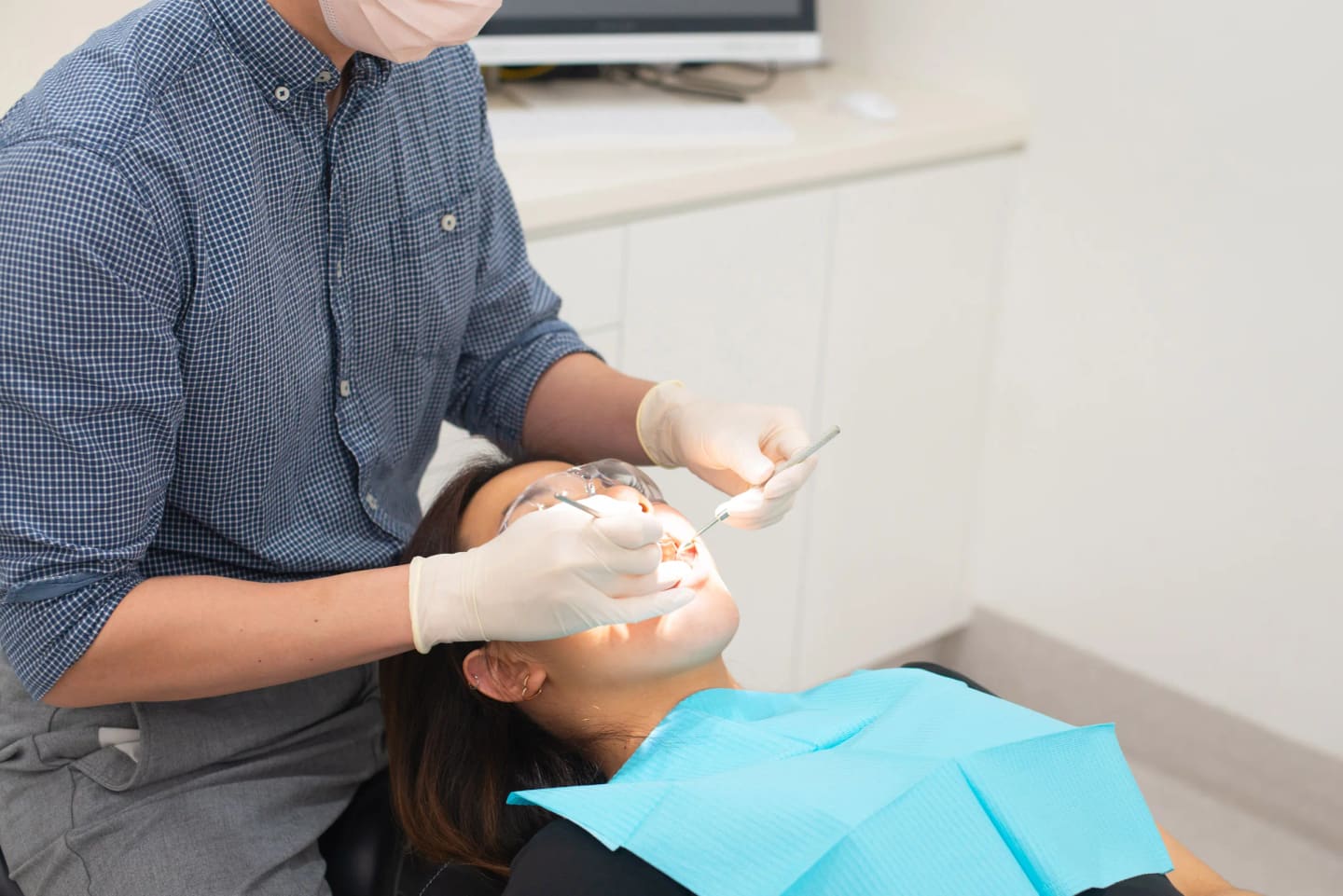
You wake up with a sore jaw, a dull headache across your temples, and teeth that feel like they have been working all night. They have. Nighttime teeth grinding (bruxism) affects a significant proportion of adults, and most do not realise they are doing it until the damage is already visible.
The good news: grinding can be managed. Not with a single fix, but with a layered approach that protects your teeth while addressing the underlying drivers.
Why you grind in the first place
Bruxism is rarely caused by one thing. Research points to a combination of factors, and understanding yours helps guide treatment.
Stress and anxiety. This is the most commonly cited trigger. Daytime tension carries into sleep, manifesting as clenching or rhythmic grinding. If your grinding worsens during stressful periods at work or life transitions, this is likely a contributing factor.
Sleep disruption. Grinding episodes are linked to micro-arousals during sleep. Conditions such as obstructive sleep apnoea, restless legs, and fragmented sleep architecture can increase grinding frequency. If you snore heavily or feel unrested despite a full night of sleep, a sleep assessment may be worth pursuing.
Bite alignment. An uneven bite or missing teeth can create imbalances that the jaw tries to compensate for during sleep. This does not mean every person with a bite issue grinds, but it can be a contributing factor.
Medications and substances. Certain antidepressants (particularly SSRIs), stimulant medications, alcohol, and caffeine have all been associated with increased bruxism. If your grinding started around the time you began a new medication, mention this to both your doctor and dentist.
Step 1: Protect the teeth first
Before addressing causes, the priority is preventing further damage. Grinding generates forces several times greater than normal chewing. Over months and years, this can crack enamel, fracture fillings, chip veneers or crowns, and wear teeth down to the dentine layer.
A custom occlusal splint is the frontline protection. Unlike a boil-and-bite guard from the chemist, a custom splint is fabricated from a digital scan of your teeth. It fits precisely, distributes force evenly, and can be designed to guide your jaw into a position that reduces muscle strain.
At Ivy Dental, a custom splint starts from $650. Your quote states which records, fabrication, fitting, and review appointments are included. A splint may protect selected teeth or help some symptoms, but it does not stop bruxism or guarantee immediate relief from jaw soreness.
If you are grinding and do not yet have a splint, book an assessment. Book a grinding consultation
Step 2: Address the sleep
If your grinding is severe or does not respond well to a splint alone, the sleep itself may need attention.
Ask yourself:
- Do you snore?
- Does your partner report pauses in your breathing at night?
- Do you wake feeling unrefreshed despite sleeping seven or more hours?
If any of these apply, a sleep study may be worthwhile. Obstructive sleep apnoea and bruxism frequently coexist. Treating the airway issue can reduce grinding episodes.
Ivy Dental offers dental sleep medicine for patients with diagnosed mild to moderate sleep apnoea. This involves a custom oral appliance that repositions the lower jaw slightly forward during sleep, helping to keep the airway open. This is distinct from sedation dentistry, which Ivy Dental does not offer.
Step 3: Reduce daytime clenching
Many nighttime grinders also clench during the day without noticing. Catching yourself and interrupting the habit can reduce overall muscle tension and carry-over into sleep.
Set reminders. Place small stickers on your computer screen, steering wheel, or phone case. Every time you see one, check your jaw. Are your teeth touching? They should not be. At rest, lips together, teeth apart.
Lips together, teeth apart. This is the default resting position for your jaw. Practice returning to it throughout the day. Over time it becomes automatic.
Progressive jaw relaxation. Before bed, place the tip of your tongue behind your upper front teeth. Let your jaw fall open slightly. Hold this for 30 seconds. This stretches the masseter muscles and signals relaxation.
Step 4: Manage stress (the boring but necessary part)
There is no way around this. If stress is your primary driver, a splint will protect your teeth but will not stop the grinding. The research consistently shows that stress-reduction strategies reduce bruxism severity.
What works varies by person. Regular exercise, structured sleep routines, and reduced evening screen time all have evidence behind them. Cognitive behavioural therapy (CBT) has shown results in clinical studies on bruxism. Even something as basic as a consistent wind-down routine before bed can make a measurable difference.
Step 5: Check your bite
If your teeth do not meet evenly when you close, certain teeth may bear more load than others during grinding. Your dentist can assess your bite during a routine check-up and identify high spots or imbalances.
In some cases, minor adjustments to the biting surfaces of teeth (called occlusal equilibration) can redistribute forces more evenly. In other cases, orthodontic treatment with aligners may be recommended to correct the underlying alignment issue.
This is not always necessary. But if you have been grinding for years despite managing stress and wearing a splint, a bite assessment is a logical next step.
What about Botox for grinding?
Botulinum toxin injections into the masseter muscles have become a popular option for bruxism. The injections reduce the force the muscles can generate, which can decrease grinding intensity and relieve jaw pain.
This is not a dental procedure. It is typically performed by a medical practitioner or specialist. Your dentist can advise whether it is worth exploring and refer you appropriately if so.
The effects are temporary, lasting roughly 3 to 6 months, after which repeat injections are needed. It is not a first-line treatment, but for patients with severe grinding that has not responded to other measures, it can be a useful addition.
When to see your dentist about grinding
Do not wait for a cracked tooth to address this. See your dentist if you notice any of the following:
- Waking with jaw pain, headaches, or facial soreness
- A partner reporting grinding noises
- Visible wear or flattening on your front or back teeth
- Sensitivity that was not there before
- Chipped fillings or restorations
At Ivy Dental in Everton Park and Nundah, we assess for grinding and bruxism as part of every routine check-up. If you already know you grind, we can get you into a protective splint and start working through the contributing factors.
Book a bruxism assessment at Ivy Dental. Book a consultation, or call (07) 3266 7120.