Brisbane runs around the clock. Nurses at the Royal Brisbane, warehouse staff at the Trade Coast, security personnel at the airport, hospitality workers across the Valley. Roughly one in five Australian workers does some form of shift work, and their teeth often pay the price.
Shift work disrupts the routines that protect oral health. Meals happen at odd hours. Brushing gets skipped or shifted. Caffeine and sugar intake increases. Sleep deprivation compounds everything.
This guide is for the people whose schedules do not fit the standard "brush morning and night" advice.
Why shift work is hard on teeth
Research published in journals including the Journal of Clinical Periodontology and Community Dentistry and Oral Epidemiology has found that shift workers tend to have higher rates of tooth decay, gum disease, and tooth erosion compared to day workers.
Several factors drive this:
Irregular eating patterns. When you eat matters for your teeth. Every time you eat or drink something other than water, the pH in your mouth drops and acid attacks your enamel for 20 to 30 minutes. Day workers typically have three meals and limited snacking. Shift workers often graze continuously through a shift to stay alert, creating a near-constant acid environment.
Increased sugar and caffeine. Energy drinks, sugary coffee, and vending machine snacks are staples of night shifts. These are among the most damaging things for teeth. Energy drinks are both acidic and high in sugar, a combination that accelerates enamel erosion and decay.
Disrupted saliva flow. Saliva production follows a circadian rhythm. It naturally decreases at night. If you are awake and eating during hours when saliva flow is lowest, your teeth have less natural protection. Dry mouth becomes a real issue for overnight workers.
Broken brushing routine. When your wake-up time changes every few days, it is easy for brushing to slip. Missing even one session doubles the bacterial load in your mouth.
Stress and fatigue. Chronic sleep disruption increases systemic inflammation, which research suggests may worsen gum disease. Fatigue also makes people less likely to maintain health routines, dental care included.
Adjusting your brushing routine
The standard advice is to brush twice a day. That does not change for shift workers. What changes is when.
Anchor your brushing to meals, not the clock. Brush after your last meal before sleep and after your first meal when you wake, regardless of what time that is.
If you can only brush once, make it before sleep. The period during sleep is when your mouth is most vulnerable. Saliva flow drops further. Bacteria multiply in the warm, still environment. Going to sleep with clean teeth is the single most protective thing you can do.
Keep a toothbrush at work. A travel toothbrush and a small tube of fluoride toothpaste in your locker removes the excuse. Even a quick brush after your meal break is worth doing.
Wait 30 minutes after acidic food or drink before brushing. Acid softens enamel temporarily. Brushing immediately after citrus, soft drink, or energy drinks can wear the softened surface. Rinse with water first, then brush later.
Smarter snacking on shift
The goal is to reduce the frequency and duration of acid attacks on your teeth.
Eat defined meals instead of grazing. Three meals during your shift, with water in between, gives your mouth time to recover between acid events. Continuous snacking keeps the pH low all shift.
Choose lower-risk snacks. Cheese, nuts, plain yoghurt, and vegetables are better options than chips, lollies, or dried fruit. Cheese is particularly useful because it raises the pH in your mouth and contains calcium and phosphate that help enamel.
Swap energy drinks for water or black coffee. If you need caffeine, black coffee (without sugar) is far less damaging to teeth than energy drinks. It is still acidic, so rinse with water after drinking it. If you must have an energy drink, drink it in one sitting rather than sipping over an hour, and follow it with water.
Chew sugar-free gum after meals. Chewing stimulates saliva production and helps neutralise acid. Gum with xylitol has additional evidence for reducing decay-causing bacteria.
Managing dry mouth during night shifts
Dry mouth is more than uncomfortable. Without saliva buffering acids and washing away debris, your teeth are exposed to more damage.
Keep water within reach at all times. Sip regularly throughout your shift.
Avoid alcohol-based mouthwash. It dries your mouth further. Use an alcohol-free fluoride rinse if you want a mouthwash.
Consider a saliva substitute or mouth spray. Available from pharmacies, these can help on particularly dry nights.
Limit caffeine after midnight. Caffeine is a mild diuretic and can contribute to dehydration and reduced saliva flow.
Booking dental appointments around your roster
One of the biggest barriers to dental care for shift workers is finding appointment times that work. After a string of night shifts, the last thing you want to do is drag yourself to a dental clinic at 9am.
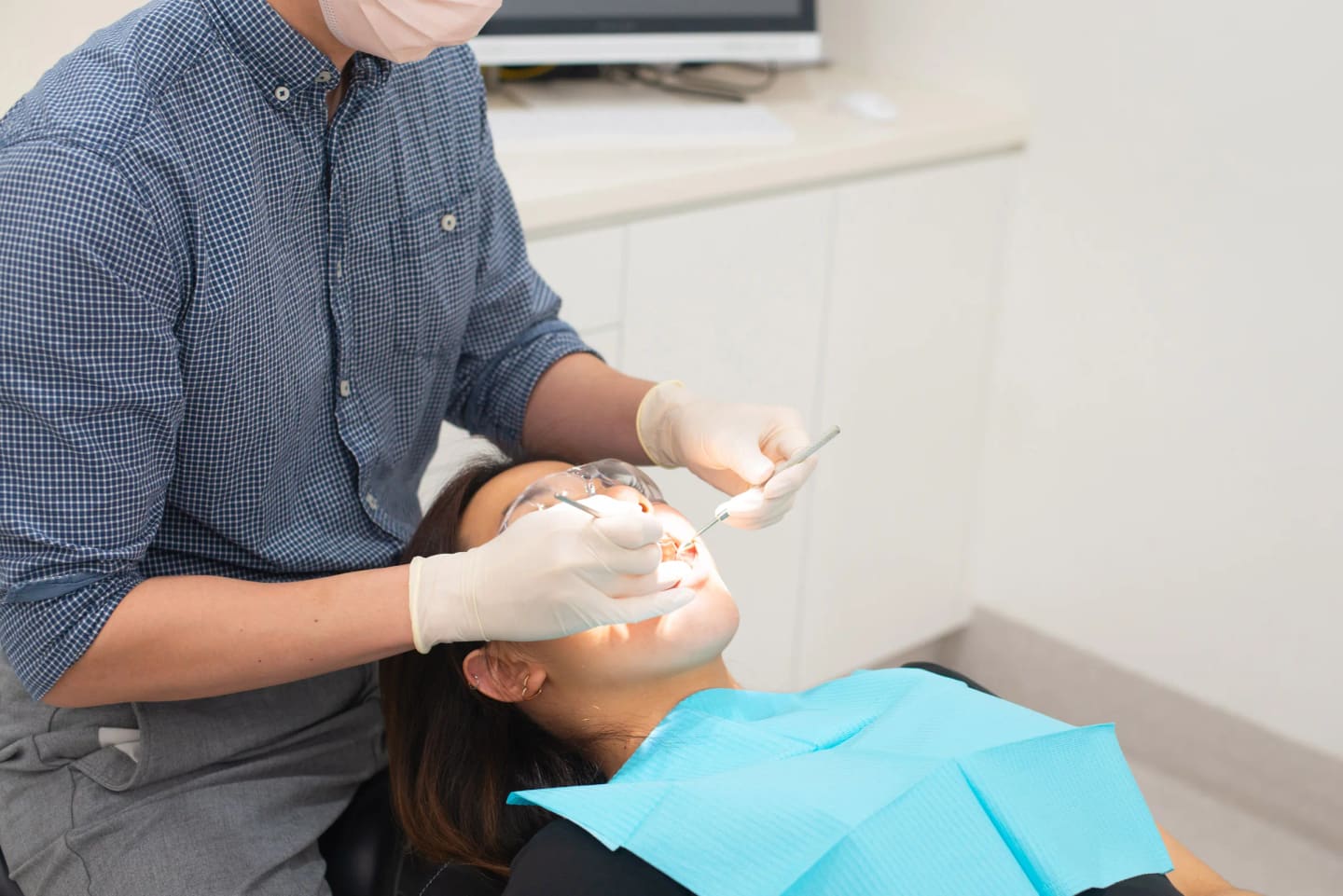
Ivy Dental is open 7 days a week at our Everton Park and Nundah practices. We offer early, midweek, and weekend appointments. If your roster changes regularly, we can work with you to find times that fit.
If you have not been to the dentist in a while because your schedule made it difficult, now is a good time to start. A check-up and clean catches problems early, before they require more time and money to fix.
Protecting against grinding
Stress and disrupted sleep patterns can trigger or worsen teeth grinding (bruxism). If you wake up with a sore jaw, headaches around the temples, or notice your teeth are getting flatter, mention it at your next appointment.
A custom night guard protects your teeth from grinding damage. For shift workers who sleep at different times, wearing it whenever you sleep (day or night) is the key.
A realistic routine for shift workers
You do not need to get everything right. You need to be consistent with the basics.
- Brush twice a day, timed around your meals and sleep.
- Floss or use interdental brushes once a day.
- Drink water throughout your shift.
- Eat meals, not continuous snacks.
- Minimise energy drinks and sugary coffee.
- See your dentist every 6 months.
These six things, done consistently, protect your teeth regardless of what hours you work.
Book a check-up at Ivy Dental
Our seven-day opening hours give shift workers more appointment options, subject to live availability. Call (07) 3266 7120 or book online. We offer general dentistry check-ups at our Everton Park and Nundah practices.