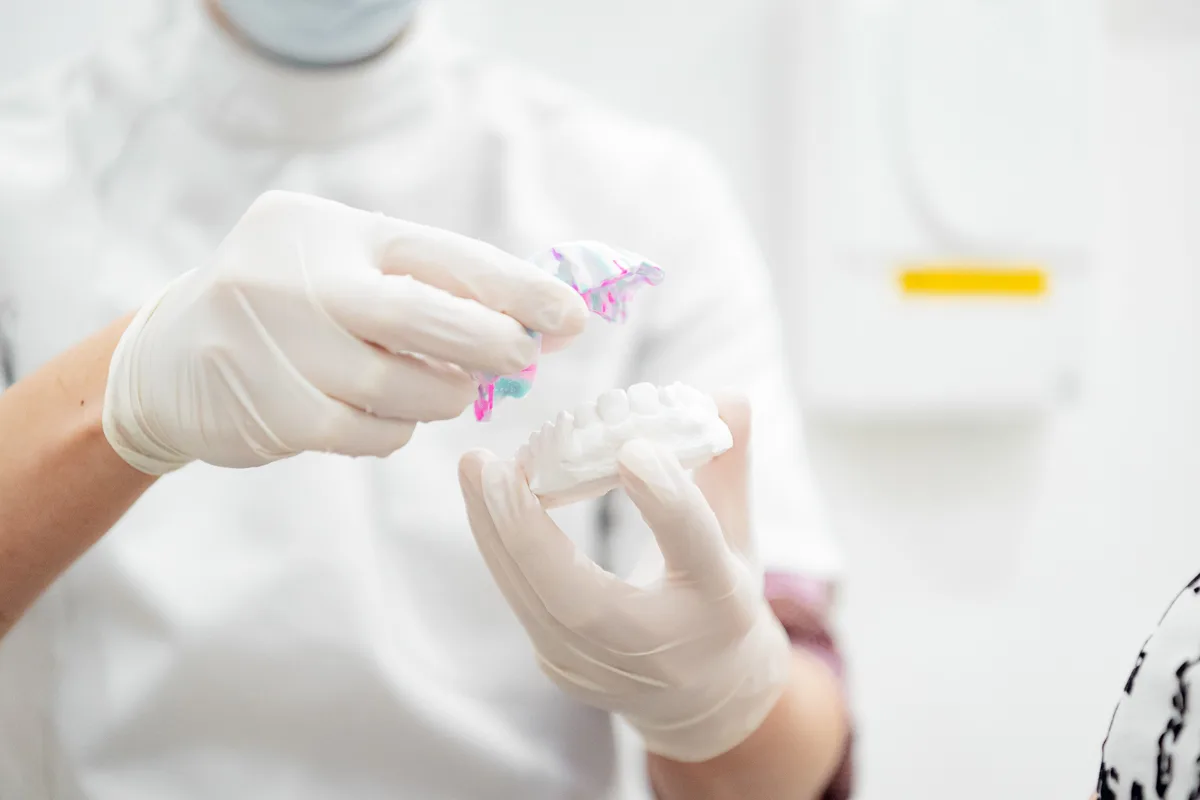
Dental crowns are durable. Many last well over a decade. But the margin, cement seal, bite contact, and tooth underneath can change. Knowing when an old crown has reached the end of its working life can save you from bigger problems down the track.
This guide is about ageing crowns already in the mouth. For first-time crown fees and material selection, see our dental crown fees guide.
Why crowns eventually need replacing
A crown is a cap that sits over a prepared tooth. It is cemented in place and designed to withstand years of chewing force. Over time, several things can compromise that fit.
Cement washout. The cement holding the crown gradually breaks down, particularly at the margins where crown meets tooth. Once the seal is lost, bacteria can enter the gap and cause decay underneath.
Gum recession. As gums recede with age or periodontal disease, the margin of the crown can become exposed. This creates a visible line at the gum and leaves the root surface vulnerable.
Wear and fracture. Porcelain can chip. Metal-ceramic crowns can lose their porcelain facing. Grinding and clenching accelerate this process significantly.
Decay under the crown. This is the most common reason for replacement. You cannot always see it happening. It often shows up on an X-ray at a routine check-up before you feel any symptoms.
Signs your crown may need replacing
Not every ageing crown needs immediate replacement. But these signs warrant a conversation with your dentist.
A dark line at the gum. Common with older porcelain-fused-to-metal (PFM) crowns. The metal substructure shows through as gums recede. Newer all-ceramic or zirconia crowns do not have this issue.
Sensitivity or pain around the crowned tooth. If a crowned tooth starts responding to hot, cold, or pressure, something may have changed underneath. Decay, a failing cement seal, or nerve inflammation are all possibilities.
A rough or chipped surface. Small chips can sometimes be polished. Larger fractures that expose the underlying structure usually mean replacement.
The crown feels loose. Even slight movement when you push with your tongue is worth investigating. A loose crown is an open invitation for bacteria.
Your dentist flags it at a review. X-rays can reveal cement gaps, margin breakdown, or early decay that you cannot feel yet. This is one of the practical reasons regular check-ups matter. Catching a failing crown early means a simpler, less expensive replacement.
What happens during crown replacement
The process is straightforward and follows a similar path to having the original crown placed.
Removal. The old crown is carefully cut off or sectioned. This is done under local anaesthetic. The underlying tooth is then assessed. If there is decay, it is removed.
Assessment. This is the critical step. Your dentist evaluates how much healthy tooth structure remains. In most cases, there is enough to support a new crown. If the tooth is severely compromised, other options like a dental implant or extraction may need to be discussed.
New impression or scan. We use digital scanning at Ivy Dental, so there are no messy moulds. The scan is sent to our in-house lab, where the new crown is fabricated.
Temporary crown. A provisional crown protects the tooth while the permanent one is made. This typically takes 1 to 2 weeks.
Fitting. The new crown is tried in, checked for fit and bite, and cemented permanently. The appointment takes around 30 to 45 minutes.
Crown replacement costs in Brisbane
Crown replacement pricing is similar to a new crown, because the process is essentially the same with an additional removal step.
At Ivy Dental, a new crown starts from $1,600. Your total depends on the material and complexity and whether the tooth needs additional treatment, such as a core build-up or root canal, before a replacement can be placed.
Most major health funds cover a portion of crown work under major dental. We process claims on the spot with HICAPS at Everton Park and Nundah.
Payment plans may be available to approved applicants. We can discuss options at your consultation.
Indicative pricing. Your quote may differ based on clinical assessment.
How to make your next crown last longer
The replacement crown should outlast its predecessor if conditions are right.
Attend six-monthly reviews. This is how problems are caught before they escalate. X-rays at regular intervals let us monitor the margins and the tooth underneath.
Manage grinding. If you clench or grind at night, a night guard protects your crowns and natural teeth. Grinding is one of the top causes of premature crown failure.
Floss around the crown daily. The margin where crown meets tooth is the most vulnerable zone. Sliding floss down around the crown and cleaning with interdental brushes keeps bacteria from establishing under the edge.
Avoid using crowned teeth as tools. Opening packaging, biting nails, or chewing ice places forces that crowns are not designed for.
Book a crown assessment at Ivy Dental
If your crown is more than 10 years old, or you have noticed any of the signs described above, a check-up is a sensible next step. We can assess the crown clinically and with X-rays, and give you a clear picture of whether replacement is needed now, later, or not at all.
Book a crown assessment consultation at our Everton Park or Nundah practice. Call (07) 3266 7120 or book online. We are open 7 days. Visit our crown service page for more details, or see payment options for larger treatments.