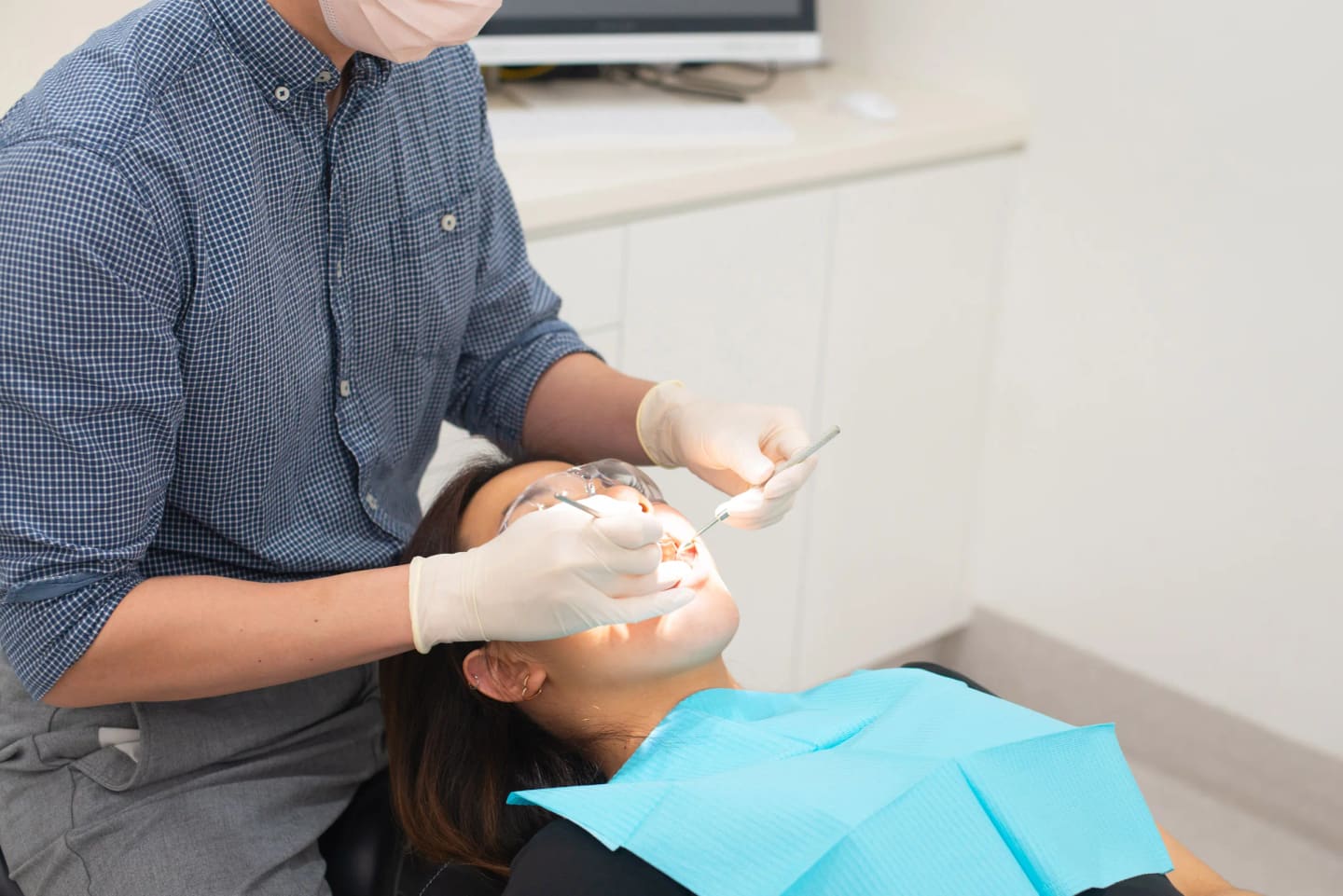
The pitch is straightforward. Fly to Bali, Thailand, or Vietnam. Get veneers, implants, or a full mouth of dental work for a fraction of the Australian price. Combine it with a holiday. Save thousands.
For some patients, this works out. For others, it becomes the most expensive dental decision they make. The savings disappear when remedial work is needed back in Australia, and the cost of fixing failed overseas dental work is often higher than having the treatment done locally from the start.
This is not an argument against travelling or against overseas clinics. It is a guide to the risks so you can make an informed decision rather than a hopeful one.
Where the cost difference comes from
Australian dental fees reflect Australian costs. Rent, wages, materials, equipment, regulation, insurance, infection control standards, and continuing education all contribute to the price of treatment in this country.
Countries with lower costs of living have lower overheads. That is a legitimate reason for lower fees, and it does not automatically mean lower quality.
But some of the cost difference comes from factors that directly affect your outcome:
- Materials. Not all porcelain is equivalent. Not all implant brands are equivalent. Lower-cost clinics may use materials that are cheaper to purchase because they have less clinical research behind them or shorter track records.
- Lab work. The quality of the dental laboratory fabricating your crowns or veneers matters enormously. A skilled ceramist working with premium porcelain produces a different result from a high-volume lab optimising for speed and cost.
- Time. Australian dentists typically spread complex treatment across multiple appointments to allow for healing, adjustment, and precision. Dental tourism compresses treatment into a short trip, which can mean shortcuts in the clinical process.
- Regulation. AHPRA, the Dental Board of Australia, and state health departments regulate Australian practitioners. Complaints, adverse outcomes, and malpractice have a formal resolution pathway. This infrastructure does not exist for treatment performed overseas.
The most common problems we see
At Ivy Dental, we see patients returning from overseas dental treatment needing remedial work. The issues are consistent.
Poor fit on veneers and crowns. Margins that do not seal properly allow bacteria to enter the gap between the restoration and the tooth. This leads to decay underneath the veneer or crown, which is not visible until it becomes painful or the restoration fails. Replacing veneers that were poorly fitted often requires more tooth preparation than the original work, because the underlying tooth has been compromised.
Implant brand incompatibility. If an overseas clinic uses an implant system that is not distributed in Australia, sourcing replacement parts for repairs or prosthetic work becomes difficult or impossible. Australian dentists may need to remove and replace the entire implant with a compatible system, which is a more invasive and costly process.
Surgical and consent risks
Nerve damage from implant placement. Implant surgery requires precise planning, usually guided by CBCT (3D) imaging. If an implant is placed too close to the inferior alveolar nerve in the lower jaw, it can cause numbness, tingling, or chronic pain in the lip and chin. This may be permanent.
Infection and healing complications. Flying long-haul within days of surgery increases swelling, bleeding risk, and infection risk. Cabin pressure changes and dehydration from air travel are not ideal conditions for surgical sites to heal. If complications develop mid-flight or after landing in Australia, you may not be able to return to the treating clinician.
Over-preparation of teeth. Some overseas clinics aggressively prepare teeth for veneers, removing more tooth structure than necessary. Once enamel is removed, it does not grow back. If the veneers later fail, the remaining tooth may not support a replacement veneer and may need a full crown instead.
Communication and informed consent. Informed consent requires that you understand the risks, alternatives, and expected outcomes of a procedure before agreeing to it. Language barriers, cultural differences in communication styles, and the pressure of a compressed timeline can all make this more difficult. If you do not fully understand what is being proposed, or if you feel rushed, that is a reason to pause.
Compressed treatment timelines
Complex treatments that are normally staged over weeks or months in Australia are compressed into a one to two week trip overseas. Consider a veneer case. In a staged approach, it involves a consultation, tooth preparation, one to two weeks in temporary veneers, final fitting, and a follow-up review spread over three to six weeks.
In a dental tourism setting, this same process may be compressed into five to seven days. There is less time for the lab to produce the work, less time for you to assess temporary restorations, and less opportunity to make adjustments before final bonding.
Material traceability
In Australia, dental labs document the materials used in every restoration. The porcelain brand, the batch number, and the shade are recorded. If there is a material defect or a biocompatibility issue, it can be traced.
Overseas, material traceability is harder to verify. Some clinics use the same high-quality materials as Australian labs (such as IPS e.max or BruxZir). Others use unbranded or lower-cost alternatives. Ask for documentation of the specific materials that will be used in your treatment and verify that they are TGA-approved equivalents.
The real cost comparison
The comparison most people make is the upfront treatment fee: $800 per veneer overseas versus from $1,800 per veneer in Brisbane. On paper, the saving is significant.
The comparison that matters includes:
- Return flights ($500 to $1,500 depending on destination)
- Accommodation for the treatment period (five to fourteen days for complex work)
- Lost income during the trip
- Travel insurance (standard policies often exclude elective medical and dental procedures)
- Follow-up trip if adjustments are needed (many patients require at least one return visit)
- Remedial treatment in Australia if something goes wrong
If overseas veneers fail after two years and need to be replaced in Brisbane, you are paying for the original overseas treatment plus the Australian remedial treatment. That combined total often exceeds the cost of having the work done in Brisbane from the start.
Warranty and follow-up
At Ivy Dental, restorative and cosmetic work comes with a warranty framework. Conditions apply to attendance, habits, and trauma, but the warranty exists and is enforceable because you and the treating dentist are in the same city.
Overseas clinics may offer warranties on paper. Enforcing them requires returning to the clinic. If the clinic has closed, changed ownership, or disputes the claim, you have no practical recourse. Australian consumer protection law does not extend to services purchased and delivered overseas.
Follow-up is the other issue. Complex dental work requires adjustments. A veneer case may need bite refinement weeks after fitting. An implant crown may need re-torquing after the initial settling period. These are normal parts of treatment, not complications. If your treating dentist is a twelve-hour flight away, this follow-up does not happen.
When overseas treatment may be reasonable
This is not a blanket warning. Overseas dental treatment may be appropriate if:
- You have extensively researched the specific clinic and practitioner
- The clinic uses implant systems and materials available in Australia
- You have allowed adequate time for treatment and healing before travelling home
- You have a contingency plan for complications, including the financial cost of remedial work in Australia
- The treatment is relatively straightforward (a single crown rather than a full-arch reconstruction)
Higher-complexity cases carry higher risk overseas. A single filling or crown has less to go wrong than ten veneers or six implants with a full prosthesis.
What to do if you have overseas dental work that needs attention
If you have existing dental work from overseas that is causing problems, or if you want it assessed, we can help. A comprehensive examination with X-rays gives us a clear picture of what is happening underneath the restorations.
We approach remedial work practically. If the overseas work is sound, we will tell you. If it needs attention, we will explain what is involved and provide a clear quote before starting.
Book a consultation at Ivy Dental. Call (07) 3266 7120 or book online. Payment plans may be available to approved applicants for larger treatment plans. Our general dentistry team can assess overseas work and advise on next steps.