An overbite is one of the most common bite issues dentists see. Most people have some degree of overbite, and a small overlap is normal. It is when the overbite becomes excessive that it can affect function, comfort, and the long-term health of your teeth.
Here is how overbites are classified, when treatment is recommended, and what the options look like in 2026.
What counts as an overbite
An overbite refers to the vertical overlap of the upper front teeth over the lower front teeth. A normal overbite is around 2 to 3 millimetres. When the overlap exceeds this, it may be classified as a deep bite or excessive overbite.
There is also an important distinction between an overbite and an overjet. An overbite is vertical overlap. An overjet is horizontal protrusion, where the upper teeth stick out forward relative to the lower teeth. The two often occur together, but they are measured differently and may require different treatment approaches.
You can read more about the causes of a bad bite in our guide to malocclusion.
Why overbites matter
A mild overbite may not cause any symptoms. But a significant overbite can lead to:
- Accelerated wear on the lower front teeth, as they bite against the backs of the upper teeth
- Chipping or fracture of front teeth over time
- Jaw discomfort or TMJ symptoms from the altered bite mechanics
- Gum irritation where the lower teeth contact the roof of the mouth
- Difficulty biting into food evenly
- Speech changes in some cases
Addressing an overbite is not just cosmetic. Protecting the long-term health of the teeth and jaw is often the primary reason for treatment.
Treatment options for overbites
Clear aligners
For mild to moderate overbites caused by tooth positioning (rather than jaw structure), clear aligners can be effective. Aligners work by progressively moving the teeth into a more aligned position, reducing the vertical overlap.
Aligners are often combined with elastics (small rubber bands) that help correct the bite relationship between the upper and lower arches. Treatment for overbite correction with aligners typically takes 9 to 18 months, depending on severity.
Clear aligner treatment at Ivy Dental starts from $6,500. You can find a full cost breakdown in our aligner cost guide.
Traditional braces
Braces remain the most versatile option for overbite correction, particularly for moderate to severe cases. Brackets and wires allow precise control over tooth movement in all three dimensions. Elastics can be used to adjust the relationship between the upper and lower jaws.
For deep bites, your orthodontist may use techniques such as intrusion mechanics (pushing the front teeth upward into the bone) or extrusion of the back teeth to open the bite. These movements are more predictable with braces than with aligners in many cases.
Treatment time with braces for overbite correction is typically 12 to 24 months.
Growth-related and surgical options
Bite plates and functional appliances
In younger patients whose jaws are still growing, functional appliances can help guide jaw development. A bite plate, for example, is a removable appliance that sits behind the upper front teeth and prevents the lower teeth from biting too far up. Over time, this allows the back teeth to erupt further and opens the bite.
These appliances are most effective during adolescence, when growth can be harnessed to assist treatment. In adults, the window for growth modification has closed, and treatment focuses on tooth movement or surgery.
Orthognathic surgery
When the overbite is skeletal rather than dental, meaning the issue is with the jaw bones rather than just the tooth positions, surgery may be the most effective option. Orthognathic surgery repositions the upper jaw, lower jaw, or both to correct the bite relationship.
Surgery is typically reserved for severe cases that cannot be adequately corrected with braces or aligners alone. It is performed by an oral and maxillofacial surgeon, usually in coordination with an orthodontist who manages the braces before and after the procedure.
Not all overbites require surgery. Your dentist can determine whether your overbite is dental, skeletal, or a combination of both through clinical examination and imaging.
How we assess an overbite at Ivy Dental
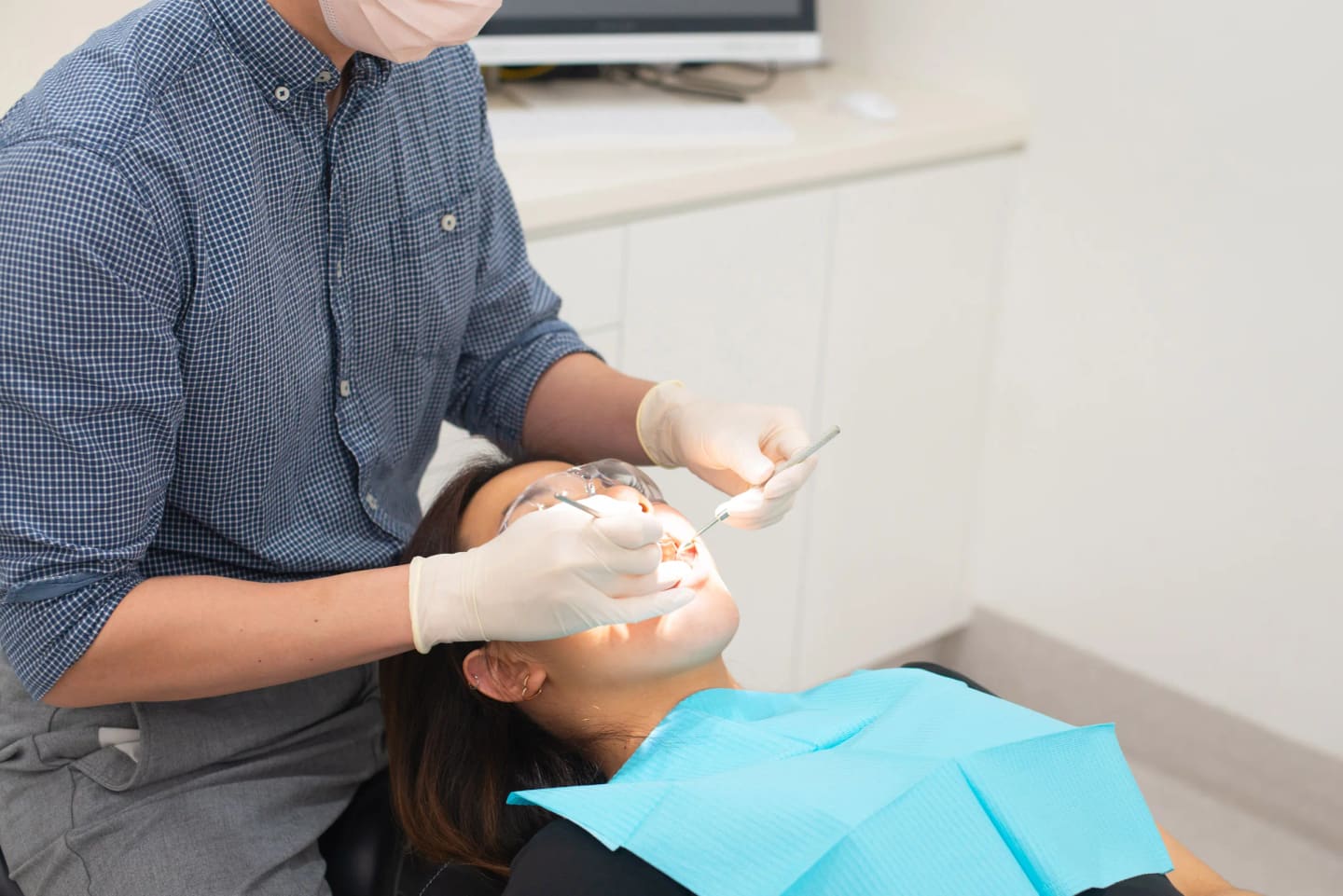
At your consultation, we will:
- Measure the overbite and overjet in millimetres
- Take digital X-rays to assess the position of the teeth and jaws
- Evaluate whether the issue is dental (tooth positioning), skeletal (jaw positioning), or both
- Discuss which treatment options are appropriate for your case
- Provide a treatment plan and itemised quote
We see patients for bite assessments at our Everton Park and Nundah clinics in north Brisbane.
Can you fix an overbite without braces?
In mild cases where the overbite is caused by slight tooth misalignment, clear aligners may correct the issue without the need for traditional braces. However, aligners have limitations with more complex bite corrections.
Some patients ask about veneers or crowns to "fix" an overbite. These restorations can change the appearance of the teeth but do not change the bite relationship. If the underlying bite is not addressed, the same wear patterns and functional issues will continue.
The right approach depends on what is causing the overbite. A proper assessment is the first step.
What age should an overbite be treated?
Overbite treatment can be effective at any age, but the approach differs:
Children (7 to 12). Early assessment can identify developing overbites. Interceptive treatment with functional appliances may reduce the severity and simplify later treatment.
Teens (12 to 18). This is often the ideal window for comprehensive orthodontic treatment. Growth is still occurring, which can assist with bite correction.
Adults. Treatment is effective but relies entirely on tooth movement (and surgery, if needed) since jaw growth is complete. Invisalign for teens and adults is a common choice for eligible cases.
Book an overbite assessment
If you are concerned about an overbite, a consultation will give you a clear picture of the severity and the treatment options that apply to your situation. We will explain what is involved, how long it takes, and what it costs before any treatment begins.
Book a clear aligner consultation at Ivy Dental Everton Park or Nundah. Call (07) 3266 7120 or book online.