A bad bite is not always obvious. You might not notice an issue until a dentist points out uneven wear, or until jaw pain starts disrupting your day. But malocclusion (the clinical term for teeth that do not align properly) affects more than appearance. It can drive tooth damage, gum problems, and chronic pain if left unaddressed.
Here is what causes it, how to recognise it, and what can be done about it.
What is malocclusion?
Malocclusion means your upper and lower teeth do not meet in a balanced, even way when your jaw closes. A healthy bite distributes chewing forces evenly across all teeth. When the bite is off, some teeth bear more force than others, which can lead to accelerated wear, cracks, and strain on the jaw joint.
There are several types:
- Overbite. Upper front teeth overlap the lower front teeth excessively. Some overlap is normal. When it is pronounced, the lower teeth may contact the gum tissue behind the upper teeth.
- Underbite. Lower front teeth sit in front of the upper teeth. This is less common and often has a skeletal component.
- Crossbite. Some upper teeth sit inside the lower teeth rather than outside. This can affect front teeth, back teeth, or both.
- Open bite. Front teeth do not meet when the back teeth are closed together, leaving a visible gap.
- Crowding. Teeth overlap or twist because the jaw does not have enough space.
- Spacing. Gaps between teeth where the jaw has more room than the teeth require.
What causes a bad bite
Malocclusion develops from a combination of genetics, habits, and dental history.
Genetics. Jaw size and tooth size are inherited. If you inherit a small jaw from one parent and large teeth from the other, crowding is likely. Skeletal underbites and overbites also run in families.
Childhood habits. Prolonged thumb sucking, dummy use beyond age three, and tongue thrusting can influence jaw development and push teeth out of alignment. These effects are easier to correct early, which is one reason children's dental visits matter.
Early tooth loss. If a baby tooth is lost prematurely (from decay or trauma), the surrounding teeth can drift into the gap. When the adult tooth comes through, there is not enough room, causing crowding or misalignment.
Wisdom teeth. While the evidence is mixed on whether wisdom teeth cause crowding, impacted or partially erupted wisdom teeth can push adjacent molars and contribute to bite changes in some cases.
Missing teeth. When an adult tooth is lost and not replaced, the neighbouring teeth tilt and the opposing tooth over-erupts. This creates an uneven bite that worsens over time. Replacing missing teeth with implants or a bridge helps preserve alignment.
Trauma. A jaw fracture or significant dental injury can alter the bite if not treated properly.
Dental work. Poorly fitting crowns, fillings, or restorations that sit too high can change how your teeth meet, creating bite imbalances. This is usually correctable with an adjustment.
How a bad bite affects your health
A misaligned bite is not just a cosmetic issue. The consequences compound over time.
Uneven tooth wear. Teeth that bear disproportionate force wear down faster. You may notice flattened biting edges, chipped enamel, or teeth that are visibly shorter than their neighbours. Over years, this wear can expose the inner dentine layer and increase sensitivity.
Jaw pain and TMJ dysfunction. The temporomandibular joint (TMJ) works well when the bite is balanced. A bad bite forces the jaw muscles to compensate, which can lead to fatigue, clicking, locking, and pain. If you have chronic jaw pain, a bite issue may be a contributing factor.
Teeth grinding. Malocclusion and bruxism are closely linked. An uneven bite can trigger grinding as the jaw searches for a comfortable resting position during sleep. Read more about teeth grinding and how to manage it.
Difficulty cleaning. Crowded or overlapping teeth are harder to brush and floss effectively. This increases the risk of cavities and gum disease in those areas.
Gum recession. Teeth under excessive force can develop gum recession at the base, exposing root surfaces and increasing sensitivity.
How a bad bite is diagnosed
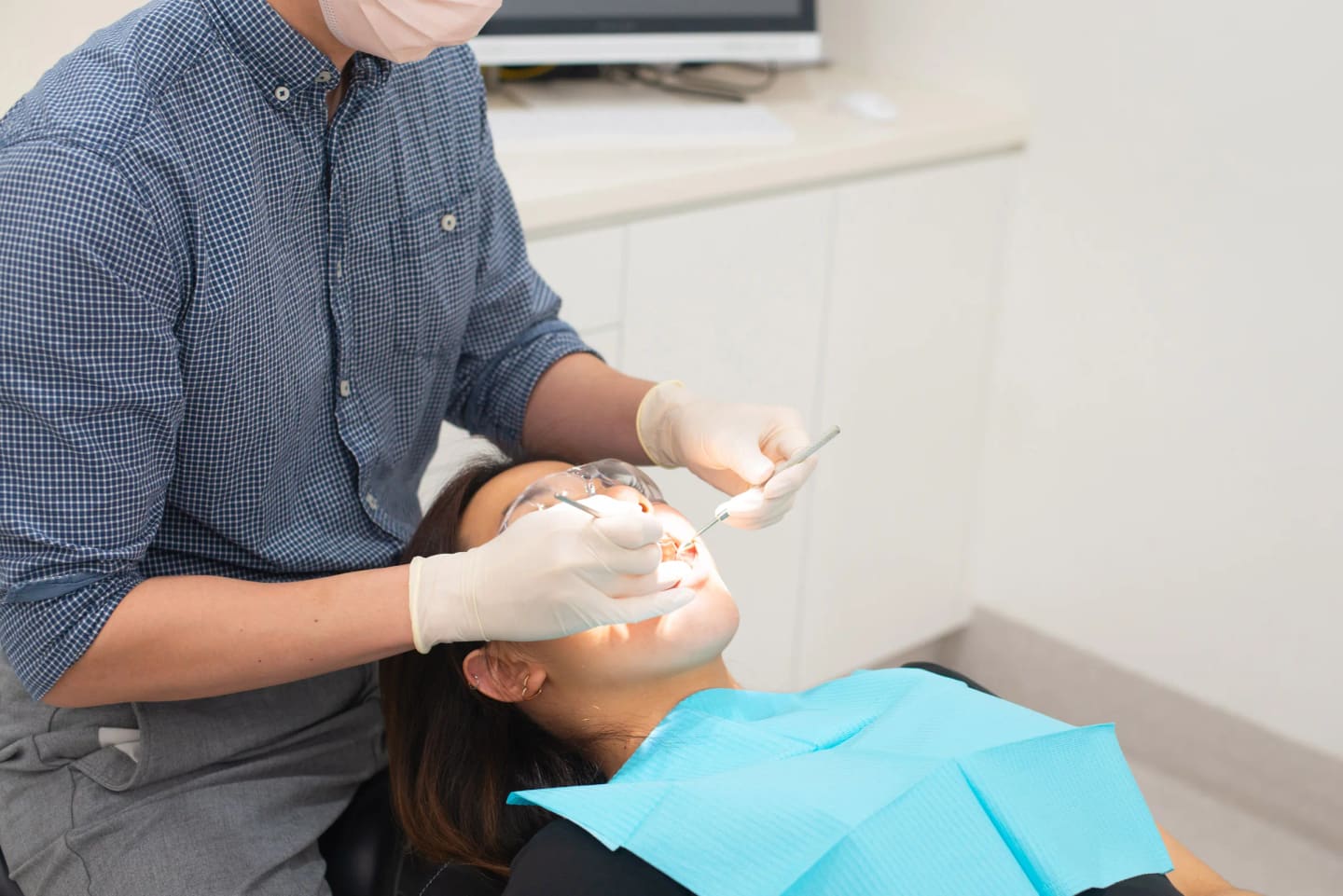
Your dentist can identify malocclusion during a standard check-up. The assessment typically includes:
- Visual examination of how your teeth meet when you bite together
- Checking for wear patterns, chips, or fractures that indicate uneven forces
- Palpation of the jaw joints for clicking, tenderness, or restricted movement
- Digital X-rays to assess root positions, bone levels, and jaw structure
- In some cases, a full digital scan to map the bite in three dimensions
At Ivy Dental, bite assessment is part of every comprehensive examination. If we identify a malocclusion, we will explain what type it is, what is causing the symptoms, and what your options are.
Treatment options for malocclusion
Treatment depends on the type and severity of the bite issue.
Clear aligners. For mild to moderate crowding, spacing, and some bite corrections, clear aligners can gradually move teeth into a better alignment. Treatment at Ivy Dental starts from $6,500. Aligners work well for adults who want a discreet option. For cases where aligners are not suitable, we can refer to an orthodontist for fixed braces.
Occlusal adjustment. If the bite issue is caused by a high spot on a filling or crown, a minor adjustment to the biting surface can restore balance. This takes minutes and is usually done at no additional charge during a check-up.
Restorative correction. In some cases, worn or damaged teeth can be rebuilt with crowns (from $1,600 per tooth) to restore proper height and contact points. This is common when long-term grinding has worn teeth down significantly.
Splint therapy. For patients with TMJ symptoms and a bite imbalance, a custom occlusal splint can stabilise the jaw and reduce muscle strain while longer-term treatment is planned.
Orthodontic referral. Severe skeletal malocclusions (significant underbites, open bites, or asymmetries) may require a combination of orthodontics and jaw surgery. We refer to trusted orthodontists and oral surgeons in Brisbane when this level of treatment is needed.
When to get your bite assessed
If you recognise any of these, it is worth raising at your next appointment:
- Frequent headaches or jaw soreness, especially in the morning
- Teeth that have visibly worn down or chipped without obvious cause
- A clicking or locking jaw
- Difficulty biting into food evenly
- Teeth that feel like they have shifted position over time
Early intervention is easier and less costly than waiting until wear or damage is advanced. Even if treatment is not urgent, knowing where your bite stands helps you plan.
Book a check-up at Ivy Dental in Everton Park or Nundah. We will assess your bite and walk you through your options.
Book a consultation at Ivy Dental. Book a consultation, or call (07) 3266 7120.