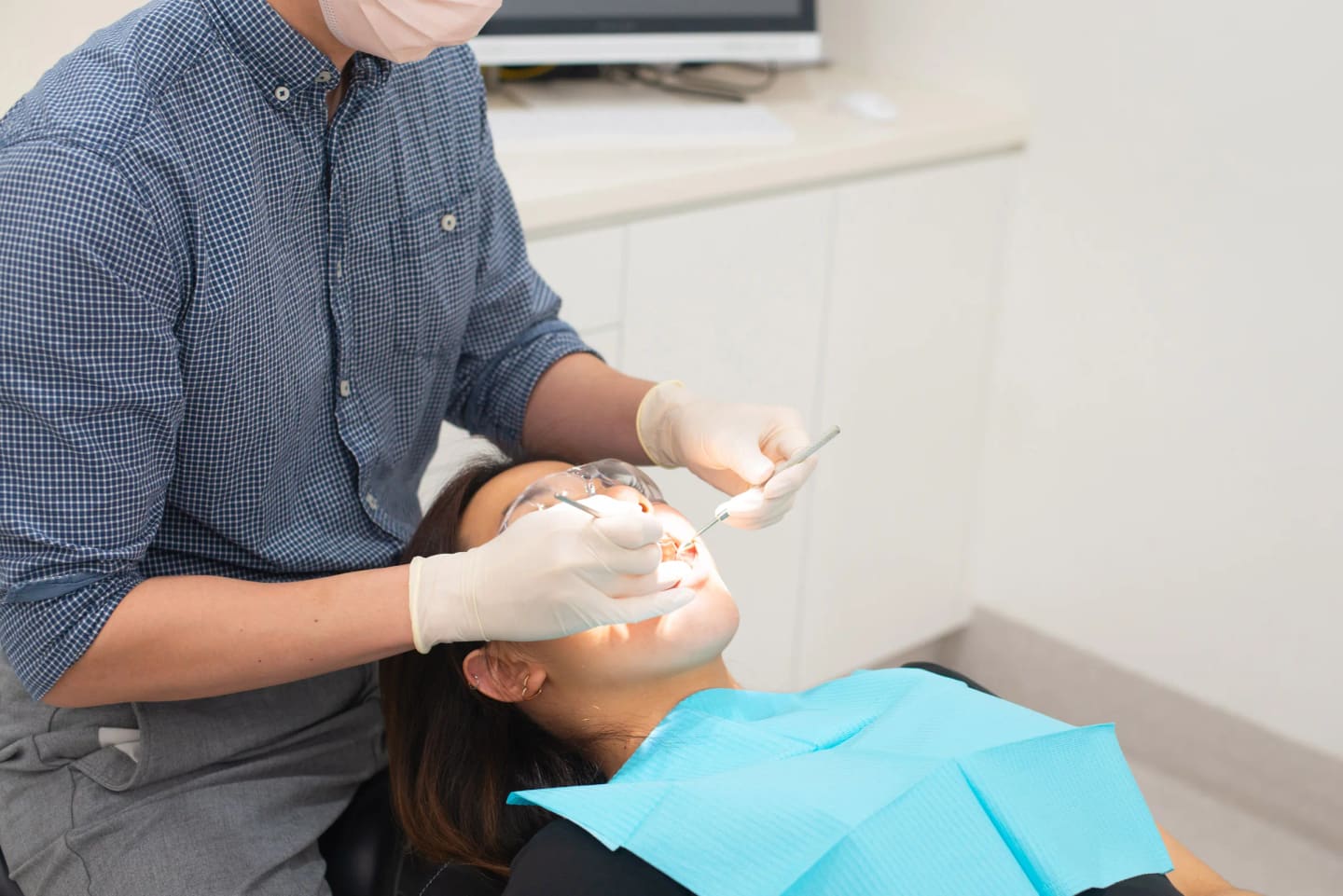
If you have started researching Invisalign or clear aligners, you may have come across the term "attachments" and wondered what they are. They are small, tooth-coloured bumps that your dentist bonds to specific teeth during treatment. They serve a mechanical purpose: giving the aligner tray something to grip so it can move teeth in ways that a smooth plastic shell alone cannot achieve.
Most Invisalign cases involve attachments. Understanding what they do and what to expect makes the process less surprising when your treatment begins.
What are Invisalign attachments?
Attachments are small shapes made from dental composite resin, the same material used for tooth-coloured fillings. Your dentist bonds them directly to the front surface of selected teeth. Each attachment is typically 2 to 3 millimetres across.
They act as anchor points. When the aligner tray sits over your teeth, it presses against the attachments to generate controlled force in a specific direction. Without them, certain tooth movements would be difficult or impossible with a removable tray.
Think of it this way: a smooth, round object is hard to grip and rotate. Add a small handle, and you have leverage. Attachments give the aligner that leverage.
Why attachments are needed for most cases
Clear aligners work by applying pressure across the surface of your teeth. That works well for straightforward movements like closing small gaps or correcting mild crowding. But teeth sometimes need to rotate, tip, or move vertically, and a smooth plastic tray on a smooth tooth surface does not generate enough precision force for those movements.
Attachments allow your treatment plan to include:
- Rotation of teeth that are turned in the arch
- Extrusion (pulling a tooth down or up into alignment)
- Root movement to change the angle of a tooth, not just the visible crown
- Complex tipping where the crown and root need to move in different directions
Your clinician plans attachment placement during the digital treatment setup. Each attachment has a specific shape, size, and position chosen to produce the movement that tooth needs. This is not a one-size-fits-all process.
How attachments are placed
Attachment bonding usually does not require tooth drilling or local anaesthetic. Sensation and appointment length vary. Here is the general sequence:
- Your dentist cleans and lightly etches the tooth surface to help the composite bond.
- A template tray (provided by the aligner manufacturer) is loaded with composite resin and pressed onto your teeth.
- A curing light hardens the composite in place.
- The template is removed, and your dentist trims and polishes each attachment.
The whole process takes 15 to 30 minutes depending on how many attachments your plan requires. Some patients have 5 or 6. Others may have 15 or more.
What attachments feel like day to day
For the first day or two, you will notice them with your tongue. They feel like small bumps on the tooth surface. Most patients stop noticing them within a week.
When you click a new aligner tray in, you may feel more pressure on the teeth with attachments. That is the system working. The pressure typically eases within 48 hours.
Attachments do not cause pain. If an attachment has a sharp edge that irritates your lip or cheek, your dentist can smooth it down at your next visit.
Are attachments visible?
Attachments are colour-matched to your teeth. They are not invisible, but they are subtle. In normal conversation, most people will not notice them. If someone is looking at your teeth from close range in good light, they may see small raised shapes.
Some patients find the attachments more noticeable than the aligners themselves. If aesthetics during treatment is a concern, discuss this with your dentist during your initial consultation. Placement can sometimes be adjusted within clinical limits.
Caring for your teeth with attachments
Oral hygiene matters more during aligner treatment, and attachments add to that. Plaque can collect around the edges of attachments, and staining is possible if oral hygiene lapses.
Practical steps:
- Brush after meals before reinserting your aligners. A soft-bristled brush works well around attachments.
- Use an interdental brush or floss threader to clean between teeth where attachments sit close to the gum line.
- Avoid coffee, tea, red wine, and turmeric-based foods while your aligners are out for extended periods. These can stain the composite.
- Do not use whitening toothpaste on attachments. It can lighten the surrounding enamel but not the composite, creating a colour mismatch.
If an attachment chips or falls off, contact your dental team. A missing attachment can slow down the movement planned for that tooth. Replacement is a short appointment.
How many attachments will I need?
This depends on the complexity of your case. Mild crowding cases may need 4 to 6 attachments. More complex plans involving rotation, bite correction, or significant tooth movement may require 12 to 20 or more.
Your dentist will explain the planned attachment placement during your treatment overview. At Ivy Dental, we use digital planning software to map every attachment before treatment begins, so you can see exactly where they will go.
Clear aligner treatment at Ivy Dental starts from $6,500. Your quote will depend on the complexity of your case and the number of aligner stages required.
When attachments come off
Attachments are removed at the end of your active aligner treatment. Your dentist uses a polishing instrument to buff the composite off the tooth surface. It takes a few minutes per tooth and does not damage enamel.
After removal, some patients notice their teeth feel smoother than they have in months. You then move into the retention phase with a retainer to maintain your results.
Attachments are a normal part of the process
If your treatment plan includes attachments, that is standard. It means your clinician is using the full capability of the aligner system to produce a more accurate result. Cases planned without attachments when they are needed tend to produce less predictable outcomes.
At Ivy Dental in Everton Park and Nundah, we use attachments as part of most aligner cases. We plan them digitally, place them efficiently, and monitor their condition throughout treatment.
If you are considering clear aligners and want to understand what your treatment would involve, book a consultation with our team.
Book an aligner consultation at Ivy Dental. Call (07) 3266 7120 or contact us at Everton Park or Nundah. Open 7 days. Visit our aligner cost page for pricing details.