You open your mouth to yawn and hear a click. Or a pop. Or a grinding sensation near your ear. It might happen every morning, or only when you eat something chewy. For many people, it is painless and has been happening so long they barely notice it. For others, it comes with pain, stiffness, or the unsettling feeling that their jaw might lock.
Jaw clicking and popping are among the most common temporomandibular joint (TMJ) symptoms. Here is what is happening inside the joint, what causes it, and when it warrants professional attention.
What Causes the Clicking Sound
Your temporomandibular joint is located just in front of each ear, where the lower jaw (mandible) connects to the skull. Inside this joint sits a small disc of cartilage that acts as a cushion between the bone surfaces. In a healthy joint, this disc moves smoothly as you open and close your mouth.
When the disc shifts out of its normal position, it can get caught momentarily as the jaw moves. The click or pop you hear is the disc snapping back into place (or off the condyle as the jaw opens). This is called disc displacement with reduction, and it is the most common mechanical cause of jaw clicking.
If the disc shifts permanently and no longer snaps back, the clicking may stop, but you may notice reduced jaw opening or a change in your bite. This is called disc displacement without reduction, and it typically warrants assessment.
Common Contributing Factors
Several things can cause or worsen disc displacement and TMJ clicking:
Teeth grinding and clenching (bruxism). Chronic grinding compresses the jaw joint and can push the disc out of alignment over time. Many people grind during sleep without realising it. Morning jaw stiffness and worn tooth surfaces are common clues. Read more about grinding treatment options.
Stress and muscle tension. When stressed, many people clench their jaw unconsciously during the day. This sustained muscle tension fatigues the muscles of mastication and increases load on the joint.
Bite misalignment. An uneven bite can cause asymmetric forces through the jaw joints. Over time, one joint may wear differently from the other.
Trauma. A blow to the jaw, a car accident with whiplash, or even prolonged dental treatment with the mouth held wide open can injure the joint structures.
Arthritis. Osteoarthritis or inflammatory arthritis can affect the TMJ just as it affects other joints. This is more common in older adults and produces a grinding (crepitus) sensation rather than a clean click.
Hypermobility. Some people have naturally loose ligaments throughout their body, including the TMJ. Their jaws may click easily without any disc pathology.
When Clicking Is Probably Not a Concern
Painless clicking that has been present for years, does not limit your jaw movement, and is not getting worse is often benign. Research suggests a significant proportion of the general population has some degree of TMJ clicking without symptoms that require treatment.
You can monitor the situation and consider simple measures:
- Avoid excessively hard or chewy foods (tough steak, bagels, hard lollies)
- Stop chewing gum, which places repetitive stress on the joint
- Avoid opening your mouth excessively wide (support your jaw when yawning)
- Apply a warm compress to the jaw muscles for 10 to 15 minutes if they feel tight
When to See a Dentist
Book an appointment if your jaw clicking is accompanied by:
- Pain in the joint area, the side of your face, or your ear
- Difficulty opening your mouth fully (normal opening is approximately 40mm, or three finger widths)
- Your jaw locking open or closed
- Headaches, particularly on waking
- The clicking getting louder, more frequent, or progressing to grinding
- Changes in your bite or how your teeth fit together
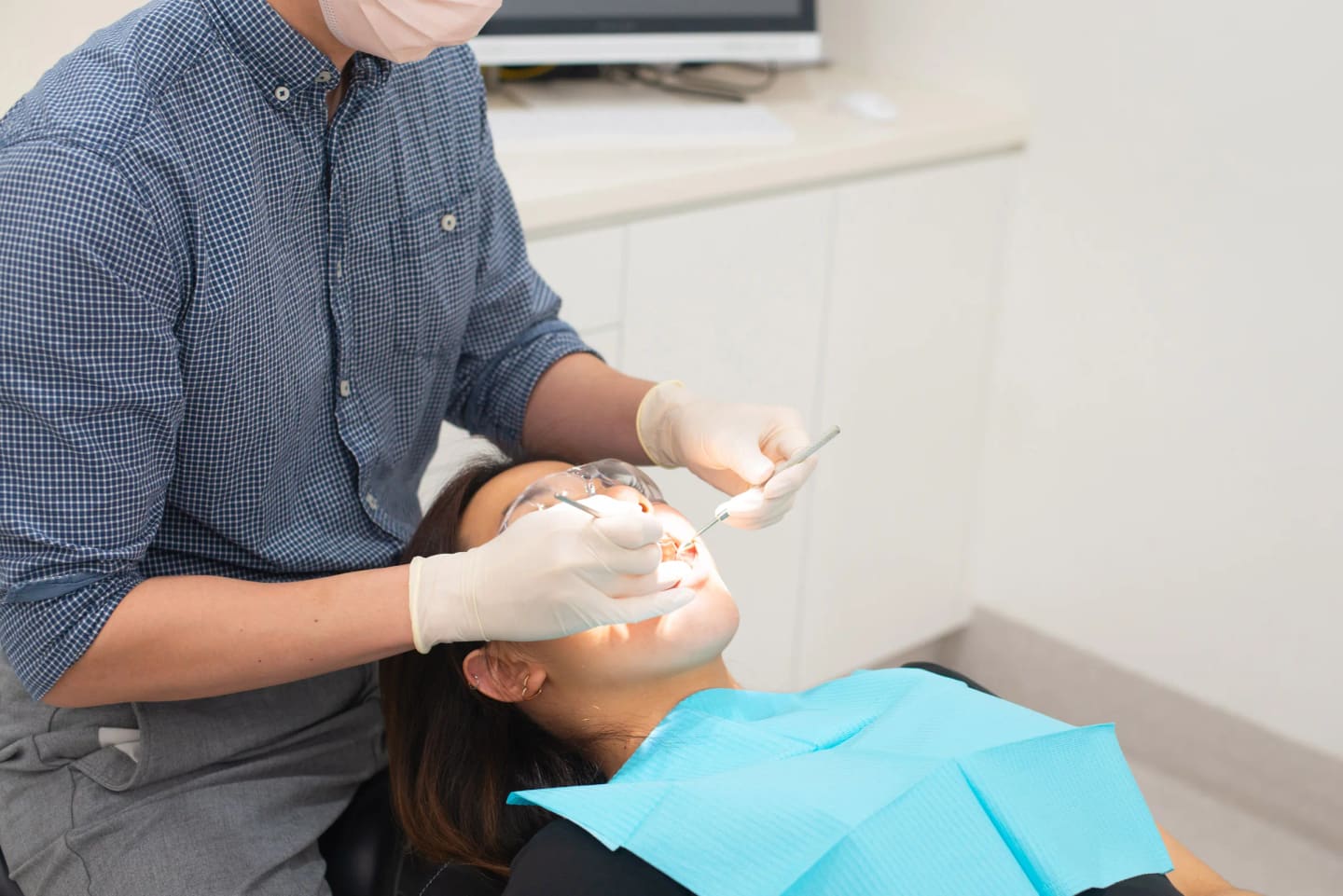
At Ivy Dental, we assess TMJ concerns at our Everton Park and Nundah clinics. Assessment typically includes a clinical examination of your jaw movement, muscle palpation, bite analysis, and X-rays. A CBCT scan or MRI may be recommended for complex cases.
Book a TMJ assessment. Call Ivy Dental on (07) 3266 7120 or book online.
How TMJ Clicking Is Treated
Treatment focuses on reducing symptoms and protecting the joint from further damage. Options include:
Occlusal splint therapy. A custom-made splint (sometimes called a bite plate) worn at night repositions the jaw slightly and reduces compression on the joint. This is one of the most common and effective first-line treatments. Read more about splints and night guards.
Physiotherapy. Jaw-specific exercises can improve joint mobility, strengthen supporting muscles, and reduce clicking. A physiotherapist experienced in TMJ rehabilitation can design a targeted programme.
Habit modification. Identifying and interrupting daytime clenching habits. Your dentist may suggest placing visual reminders (a coloured dot on your phone or computer screen) to prompt jaw relaxation throughout the day.
Anti-inflammatory medication. Short-term use of non-steroidal anti-inflammatory drugs (NSAIDs) such as ibuprofen can reduce joint inflammation and pain. This is a symptom management tool, not a long-term solution.
Bite adjustment or orthodontics. If a significant bite discrepancy is contributing to joint stress, correcting the bite may be part of the treatment plan. This could involve selective tooth adjustment, aligners, or other orthodontic approaches.
Botulinum toxin (Botox). Injections into the masseter or temporalis muscles can reduce the force of clenching and grinding, providing relief for some patients with muscle-driven TMJ symptoms. Effects typically last three to four months.
What About Surgery?
TMJ surgery (arthrocentesis, arthroscopy, or open joint surgery) is considered only when conservative treatments have been tried for an adequate period and significant symptoms persist. This applies to a small percentage of TMJ patients. Your dentist will refer you to an oral and maxillofacial surgeon if surgical assessment is appropriate.
Living With TMJ Clicking
For many people, TMJ management is ongoing rather than a one-time fix. The good news is that most cases respond well to conservative treatment. Wearing your splint consistently, managing stress, avoiding jaw-straining habits, and staying aware of tension patterns goes a long way toward keeping symptoms manageable.
If your jaw has started clicking recently, or if longstanding clicking has begun causing pain or reduced movement, contact Ivy Dental on (07) 3266 7120. We are open seven days across our Everton Park and Nundah locations, and TMJ assessment is part of our general dentistry scope.