Mouth ulcers need a different lens from gum swelling
Mouth ulcers are small, shallow sores that develop on the soft tissues inside the mouth. The inner cheeks, lips, tongue, gum line, and floor of the mouth are the most common locations.
Most ulcers are painful but minor. They heal on their own within 7 to 14 days without leaving a scar. However, some ulcers persist, recur frequently, or have features that warrant professional assessment to rule out something more serious.
This guide focuses on ulcers and oral soft-tissue lesions. If your main symptom is swollen, bleeding, or tender gums around the teeth, see our swollen gums guide.
Common Causes of Mouth Ulcers
Minor Trauma
Biting the inside of your cheek, brushing too aggressively, eating sharp or hard foods (such as chips or crusty bread), or irritation from braces, dentures, or a rough filling edge can all trigger an ulcer. These usually heal within a week once the source of irritation is removed.
Aphthous Ulcers (Canker Sores)
These are the most common type of recurring mouth ulcer. They are round or oval, white or yellowish in the centre, with a red border. They are not contagious.
The exact cause is not fully understood, but triggers may include stress, fatigue, hormonal changes, certain foods (particularly citrus, tomatoes, and spicy foods), and minor immune fluctuations. Some people experience them regularly, while others rarely or never get them.
Nutritional Deficiencies
Low levels of iron, vitamin B12, folate, or zinc have been associated with recurrent mouth ulcers. If you experience frequent ulcers without an obvious trigger, a blood test through your GP may be worth considering.
Viral Infections
Cold sores (caused by herpes simplex virus) appear on or around the lips and are contagious. They present as small fluid-filled blisters that break open and crust over. Inside the mouth, viral infections such as hand, foot and mouth disease can cause multiple small ulcers, particularly in children.
Sodium Lauryl Sulfate (SLS)
This is a foaming agent found in most toothpastes. Some people find that switching to an SLS-free toothpaste reduces their ulcer frequency. It is worth trying if you get ulcers regularly and have not identified another trigger.
Hormonal Changes
Some women experience ulcer outbreaks linked to their menstrual cycle. This is thought to relate to hormonal effects on the oral mucosa.
Medication Side Effects
Certain medications, including some anti-inflammatory drugs, beta-blockers, and immunosuppressants, can cause mouth ulcers as a side effect. If ulcers appeared after starting a new medication, discuss this with your prescribing doctor.
Underlying Medical Conditions
Recurrent or severe ulcers can occasionally be a sign of conditions such as coeliac disease, Crohn's disease, Behcet's disease, or immune deficiencies. This is uncommon, but persistent or unusual ulcers should be assessed.
Home Care That Helps
For standard minor ulcers, these measures can reduce pain and support healing:
- Saltwater rinse. Dissolve half a teaspoon of salt in a glass of warm water. Rinse gently for 30 seconds, two to three times daily. This reduces bacteria and helps the ulcer heal.
- Avoid irritating foods. Spicy, acidic, salty, and crunchy foods can aggravate the ulcer. Stick to softer, blander foods until it heals.
- Over-the-counter gels and rinses. Topical anaesthetic gels (containing benzocaine or lignocaine) can provide temporary pain relief. Chlorhexidine mouthwash (such as Savacol) used twice daily can reduce secondary bacterial infection and may accelerate healing. It can stain teeth with prolonged use, so limit use to the duration of the ulcer.
- Soft-bristled toothbrush. Switch to a softer brush if your current one is aggravating the area. Continue brushing and flossing the rest of your mouth normally.
- Stay hydrated. Adequate water intake supports oral tissue healing.
When to See a Dentist
Most ulcers resolve without treatment. But certain features should prompt a professional assessment.
The three-week rule
Any mouth ulcer that has not healed within three weeks should be assessed by a dentist or doctor. Three weeks is the widely accepted clinical threshold. Most benign ulcers resolve well within this timeframe. An ulcer that persists beyond three weeks may still be benign, but it needs examination to rule out other causes.
See a dentist if:
- An ulcer has not healed within three weeks.
- You get ulcers frequently (more than three to four times per year).
- The ulcer is unusually large (greater than 1 cm).
- You notice a hard, painless lump rather than a soft ulcer. A painless ulcer or lump that persists is more concerning than a painful one.
- The ulcer has raised, rolled, or hardened edges. Normal aphthous ulcers have flat, regular margins.
- The ulcer is spreading or you develop multiple ulcers at once.
- You experience other symptoms alongside the ulcer: fever, fatigue, weight loss, or difficulty swallowing.
- The ulcer bleeds without obvious cause.
- You are a current or former smoker. Tobacco use increases the risk of oral mucosal changes.
A persistent ulcer that does not heal within three weeks should always be professionally examined. While the vast majority are benign, non-healing oral lesions need to be assessed to exclude oral pathology.
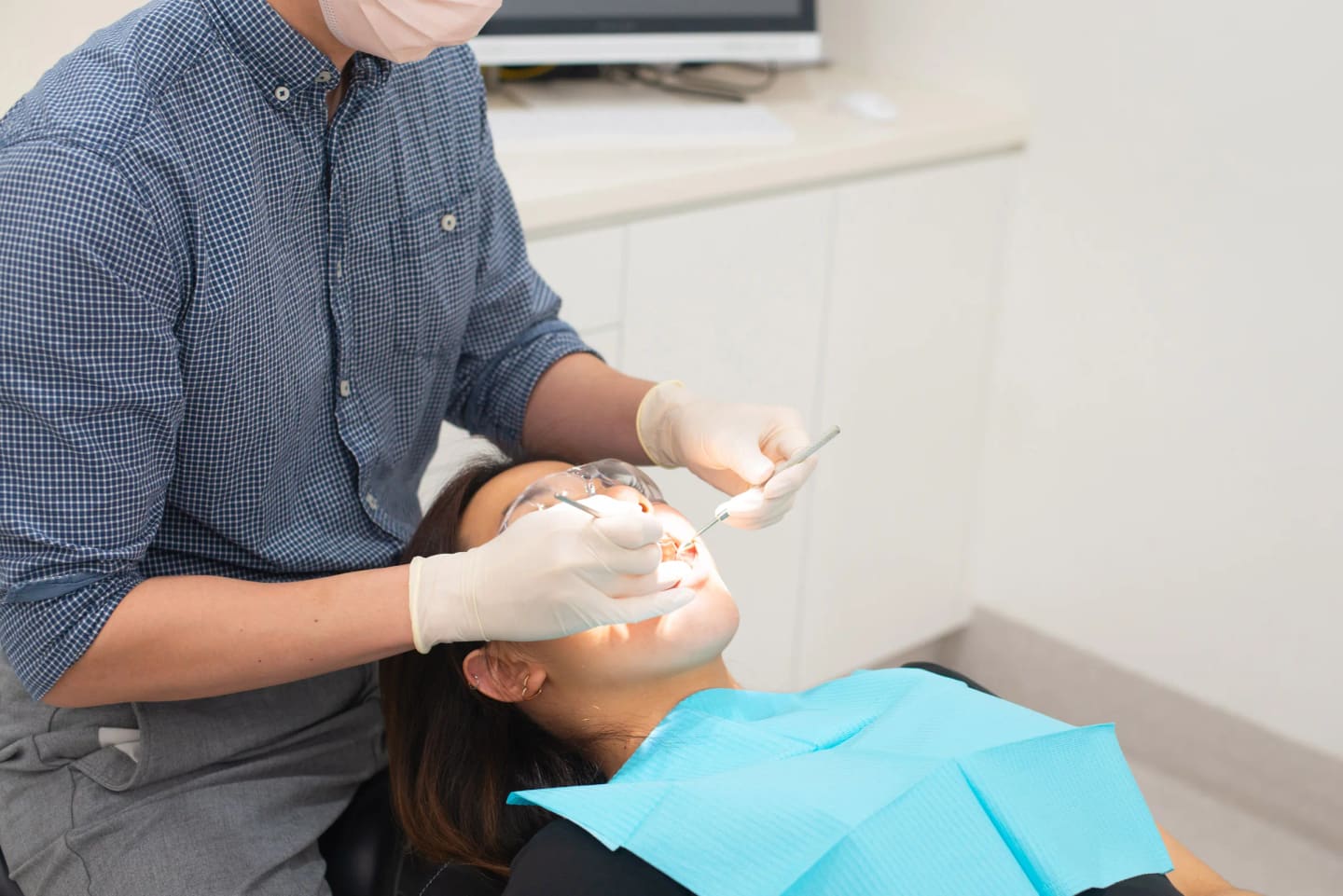
At Ivy Dental, we perform thorough oral health assessments as part of routine check-ups. If you present with a persistent or unusual ulcer, we check for any identifiable local cause and address it. If no local cause is identified, or if the ulcer has features that warrant further investigation, we can arrange a biopsy or referral to an oral medicine specialist. A biopsy is a straightforward procedure, usually done under local anaesthetic, and provides a definitive diagnosis.
Book a dental check-up if you have an ulcer that is not healing as expected.
Ulcers Caused by Dental Issues
Sometimes the cause is dental rather than medical. A sharp edge on a broken tooth, a rough filling margin, or an ill-fitting denture can cause chronic irritation that produces ulcers in the same location repeatedly.
If you notice ulcers that keep recurring in the same spot, a dental assessment can identify whether a rough surface is the cause. Smoothing the edge or adjusting the restoration typically resolves the problem.
Orthodontic appliances, including clear aligners, can occasionally cause soft tissue irritation during the first few days of wear. This usually settles as the mouth adjusts. Orthodontic wax can provide temporary relief in the meantime.
Preventing Recurrent Ulcers
Complete prevention is not always possible, especially for aphthous ulcers. However, these habits may reduce the frequency:
- Maintain good oral hygiene with twice-daily brushing and daily flossing.
- Use a soft-bristled toothbrush and brush gently along the gum line.
- Eat a balanced diet with adequate iron, B vitamins, and zinc.
- Manage stress where possible. Stress is a well-documented trigger for aphthous ulcers.
- Attend regular dental check-ups so that rough fillings, sharp edges, and other irritants are identified and addressed early.
- Switch to an SLS-free toothpaste for a trial period of two to three months if you get ulcers frequently.
- Keep a food diary if you suspect certain foods trigger your ulcers.
Do Not Ignore Persistent Mouth Sores
The key message is straightforward. Most mouth ulcers are minor and self-limiting. A small number are not. Any ulcer that persists beyond three weeks, changes in appearance, or behaves unusually deserves a professional look.
Early assessment is always preferable to a delayed one when it comes to oral lesions.
Book a check-up at Ivy Dental in Everton Park or Nundah. We are open 7 days. Call (07) 3266 7120.