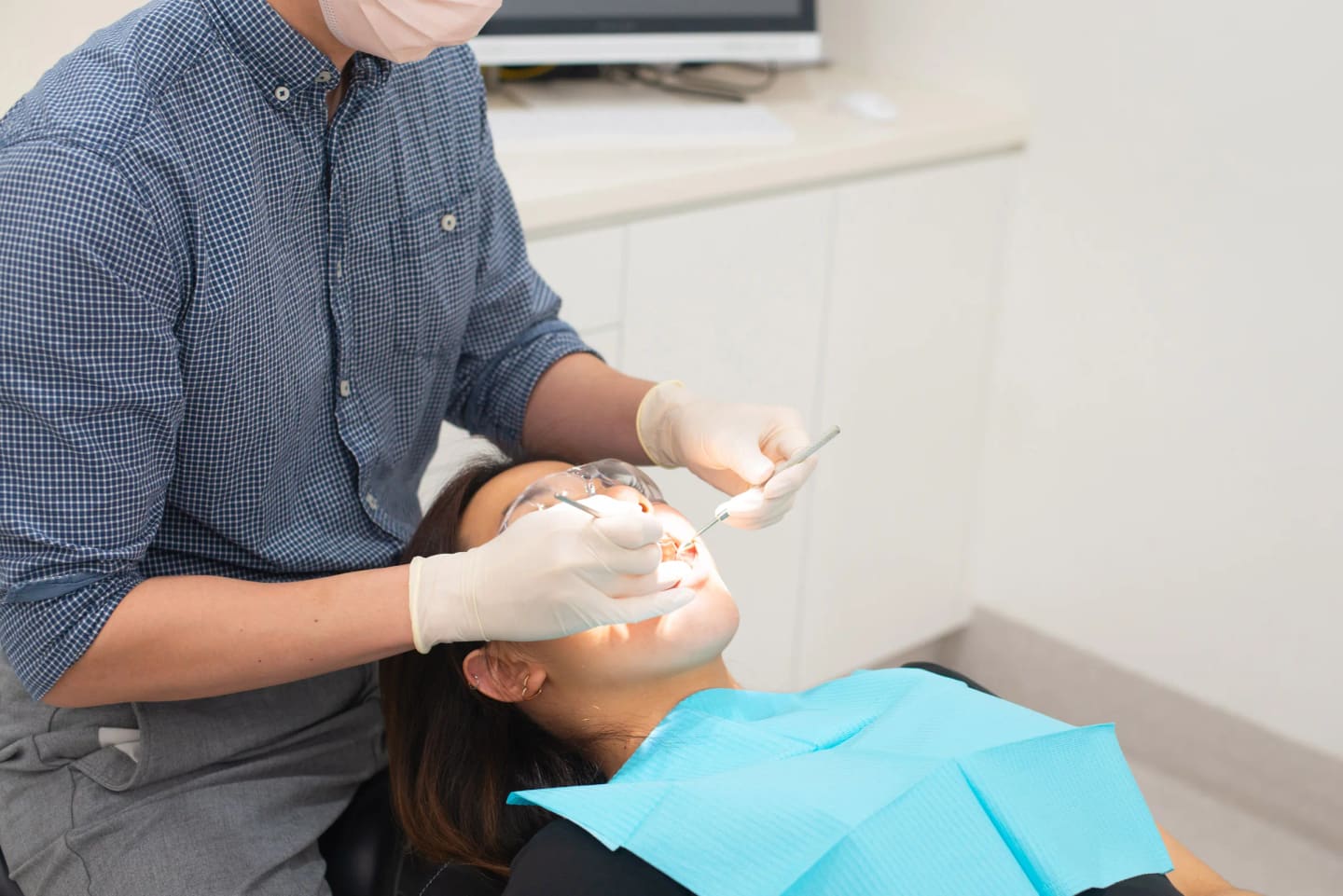
It is one of the most common questions patients ask. Can teeth grow back? The short answer is no. But the longer answer involves some interesting science, some promising research, and a realistic look at what options exist right now if you have lost a tooth.
Why adult teeth do not regrow
Humans are diphyodonts. That means we develop two sets of teeth in our lifetime. The first set (primary or baby teeth) begins to emerge around six months of age. The second set (permanent teeth) replaces them gradually between the ages of six and twelve, with wisdom teeth arriving later.
Once a permanent tooth is lost, the body does not produce a replacement. The dental lamina, which is the tissue responsible for initiating tooth development, becomes inactive after the permanent teeth form. There is no biological trigger to restart the process.
This is different from some animals. Sharks, for example, continuously produce new teeth throughout their lives. Alligators can regenerate teeth up to 50 times. Some research into tooth regeneration looks at these species to understand the genetic mechanisms involved.
What about enamel?
Enamel is the hard outer layer of the tooth. It is the hardest substance in the human body, but it has a significant limitation: it cannot regenerate.
Enamel is produced by cells called ameloblasts during tooth development. Once the tooth erupts, these cells are no longer active. If enamel is worn away by acid erosion, abrasion, or decay, the body cannot rebuild it.
There is one partial exception. In the very early stages of demineralisation, where the enamel has started to lose minerals but a cavity has not yet formed, remineralisation is possible. Fluoride, saliva, and calcium phosphate can help redeposit minerals into the weakened enamel surface. This is one reason fluoride toothpaste and professional fluoride treatments are recommended as preventive measures.
But once a cavity has formed, the damage is irreversible without a dental restoration.
Current research into tooth regeneration
There are several active areas of research exploring whether tooth regeneration could become possible in the future.
Stem cell approaches
Researchers have identified stem cells in dental pulp (the tissue inside your teeth) and in the periodontal ligament (the tissue that connects the tooth to the jawbone). These cells have the potential to differentiate into the various cell types needed to form a tooth.
In animal studies, stem cells have been used to grow tooth-like structures. A 2024 Japanese study generated tooth buds in mice using a monoclonal antibody that targets a gene involved in tooth development. The approach showed promise in stimulating the growth of new teeth in animals that were missing them.
However, growing a functional human tooth with the correct shape, size, root structure, and enamel coverage is significantly more complex than producing a tooth-like structure in a lab.
Gene therapy
Some researchers are investigating genes that control how many teeth develop. By manipulating these genes, they have been able to alter tooth count in animal models. The USAG-1 gene, for example, appears to suppress the development of extra teeth. Blocking this gene in mice resulted in the growth of additional teeth.
This line of research is in its early stages and is not available for human application.
Bioengineered tooth scaffolds
Another approach involves creating a scaffold in the shape of a tooth and seeding it with the appropriate cells. The idea is that the scaffold provides structure while the cells grow into the correct tissue types. Some researchers have combined this with 3D printing technology to create precisely shaped scaffolds.
Results in animal models have been mixed. Producing dentine and cementum-like tissues has been achieved, but producing functional enamel remains a major challenge.
What this means for you right now
If you are missing a tooth today, regeneration is not an option. It may become possible in the future, but realistic timelines for clinical availability, if the research succeeds, are measured in decades rather than years.
The current options for replacing a missing tooth are well-established and effective:
Dental implants. A titanium post is placed in the jawbone and topped with a crown. Implants are the closest current replacement to a natural tooth in terms of function and appearance. They can last decades with proper care. Learn about the implant process.
Dental bridges. A false tooth is anchored to the teeth on either side. Bridges do not require surgery but do involve preparing the adjacent teeth. They are a good option when implants are not suitable.
Dentures. Removable partial or full dentures replace one or more missing teeth. Modern dentures are more comfortable and natural-looking than older versions.
You can compare these options in detail in our missing tooth replacement guide.
Prevention is still the a reliable strategy
Because teeth cannot regrow, protecting the ones you have is the most important thing you can do. The fundamentals are not complicated:
- Brush twice daily with fluoride toothpaste
- Floss daily
- Limit sugary and acidic foods and drinks
- Wear a mouthguard during sport
- Attend regular dental checkups so problems are caught early
- Address grinding or clenching with a night guard if recommended
Preserving a natural tooth is often preferred when it is restorable and has a reasonable prognosis, but retaining a tooth is not automatically safer or better in every clinical situation. Examination and imaging help compare restoration, extraction, and replacement options. Routine check-ups and preventive care support early assessment.
Talk to us about a missing tooth
If you have lost a tooth or been told one needs to be extracted, we can walk you through the replacement options that make sense for your situation. Every case is different, and we will give you an honest assessment of what each option involves. Payment plans may be available to approved applicants.
Book a missing tooth consultation at Ivy Dental Everton Park or Nundah. Call (07) 3266 7120 or book online.