If you are reading this, you are probably considering calling a dentist for the first time in a while. Maybe years. Maybe longer. And something is holding you back.
That is a completely normal response. Dental anxiety affects a significant portion of Australian adults. Research published in the Australian Dental Journal found that approximately one in six Australians experience high dental fear. You are not unusual, and you are not being dramatic.
This guide is for you. Not the person who goes every six months without thinking about it. For the person who has been putting this off and needs to know what to expect.
Why People Avoid the Dentist
Understanding your own avoidance can help you work through it. Common reasons include:
A bad experience in the past. A painful or dismissive encounter, often in childhood, that created a lasting association between the dental chair and distress. This is the most commonly reported cause of dental phobia.
Fear of pain. The expectation that treatment will hurt. Modern dentistry has advanced significantly in pain management, but the fear persists because it was established before those advances.
Feeling out of control. Lying back with your mouth open while someone works on you is a vulnerable position. For people who value control, this can trigger significant anxiety.
Embarrassment. The longer you stay away, the worse you assume your teeth have become, and the more embarrassed you feel about seeking help. This creates a cycle where the anxiety feeds itself.
Cost anxiety. Worrying about what treatment will cost and not wanting to be pressured into expensive work you cannot afford.
Every one of these concerns is valid. And every one can be addressed.
What Happens at a First Appointment
At Ivy Dental, a first appointment after a long break follows a specific structure designed to keep you comfortable and informed:
Step 1: A conversation, not an examination. Your dentist begins by talking to you. They will ask about your concerns, your dental history (as much as you remember), any pain or issues you have noticed, and your general health. This happens while you are sitting upright, not reclined. There are no instruments in your mouth during this conversation.
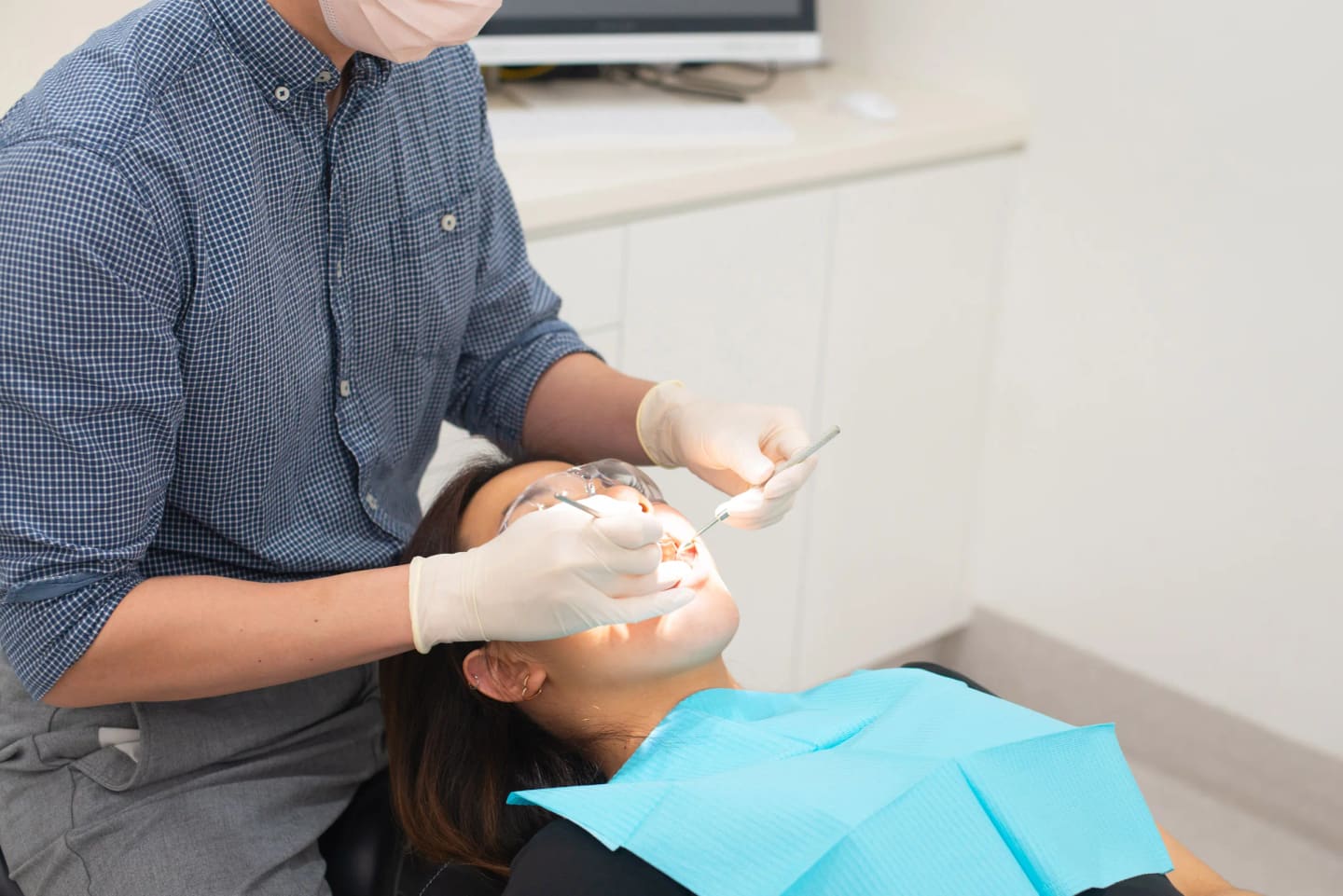
Step 2: A gentle examination. When you are ready, the dentist will recline the chair and look inside your mouth. This initial examination uses a mirror and a gentle probe. The dentist is mapping what they see, not treating anything. If you experience sensitivity, say so and they will adjust.
Step 3: X-rays (if appropriate). Digital X-rays give your dentist information about what is happening below the gum line and between teeth. The process takes a few minutes. If you have a strong gag reflex or find bite-wing X-rays uncomfortable, let the team know and they can use alternative positioning or take fewer images initially.
Step 4: A discussion of findings. Your dentist will explain what they have found in plain language. They will prioritise issues by urgency: what needs attention soon, what can wait, and what is fine. You will receive a written treatment plan with indicative costs for each item.
No treatment is performed on this visit unless you have an urgent problem (such as pain or infection) and specifically request it.
Book your first visit back. Call Ivy Dental on (07) 3266 7120 or book online.
Strategies That Help Anxious Patients
These are techniques our patients at Ivy Dental have found useful:
Book a morning appointment. Less time to build up anticipatory anxiety. Get it done early rather than spending all day thinking about it.
Bring headphones. Listening to a podcast, audiobook, or music can reduce awareness of dental sounds and help you focus elsewhere. Noise-cancelling headphones work well.
Tell the team. When you book, mention that you are anxious. When you arrive, remind the reception team. When the dentist greets you, say it again. We adjust our communication and pacing for anxious patients, but only if we know.
Use the stop signal. At Ivy Dental, raising your hand means we stop immediately. Knowing you have this control often reduces anxiety more than any other single measure.
Bring someone with you. A friend or partner can sit in the room during your appointment if that helps you feel more at ease.
Focus on the first appointment only. You do not need to commit to a full treatment plan today. You just need to get through the door, have a conversation, and see how you feel.
For more strategies, read our detailed dental anxiety management guide.
What If My Teeth Are in Bad Shape?
They might be. They might also be far better than you expect. Anxiety tends to amplify worst-case scenarios.
If there are problems, they are not going to be addressed all at once. Treatment is staged over multiple appointments, prioritised by what matters most for your health and comfort. You will know exactly what is planned and what it costs before anything begins.
It is also worth knowing that dental problems caught now, even after a long gap, are almost always simpler and less expensive to treat than the same problems six months or a year further down the line. Coming back now is the practical decision, even if it does not feel like it yet.
The Cost Conversation
We understand that cost is a real barrier. At your first appointment, you will receive a clear treatment plan with indicative pricing for each item. You are under no obligation to proceed with everything, or anything, on the day.
Ivy Dental accepts all major health funds with HICAPS on site for immediate claims. Payment plan options may be available to approved applicants if treatment costs are significant.
Indicative pricing. Your quote may differ based on clinical assessment.
What Ivy Dental Does Differently for Anxious Patients
We are not a boutique anxiety clinic, and we do not offer sedation dentistry. What we do offer is a team that treats anxious patients every day and has adapted our approach accordingly:
- Longer appointment times for new patients so there is no rush
- Explanation before every step ("I am going to place the mirror on your lower left teeth now")
- Frequent check-ins during the appointment
- Immediate stop when you raise your hand
- No judgement about the condition of your teeth or how long it has been
- A treatment plan you can take home and consider before committing
Our clinics in Everton Park and Nundah are open seven days. If a weekday appointment feels too public, Saturday and Sunday mornings tend to be quieter.
One Step at a Time
You do not need to fix everything today. You just need to make the call, or fill in the online booking form, and show up for one conversation. That is the hardest part, and everything after it gets easier.
Call Ivy Dental on (07) 3266 7120. We are here seven days a week.