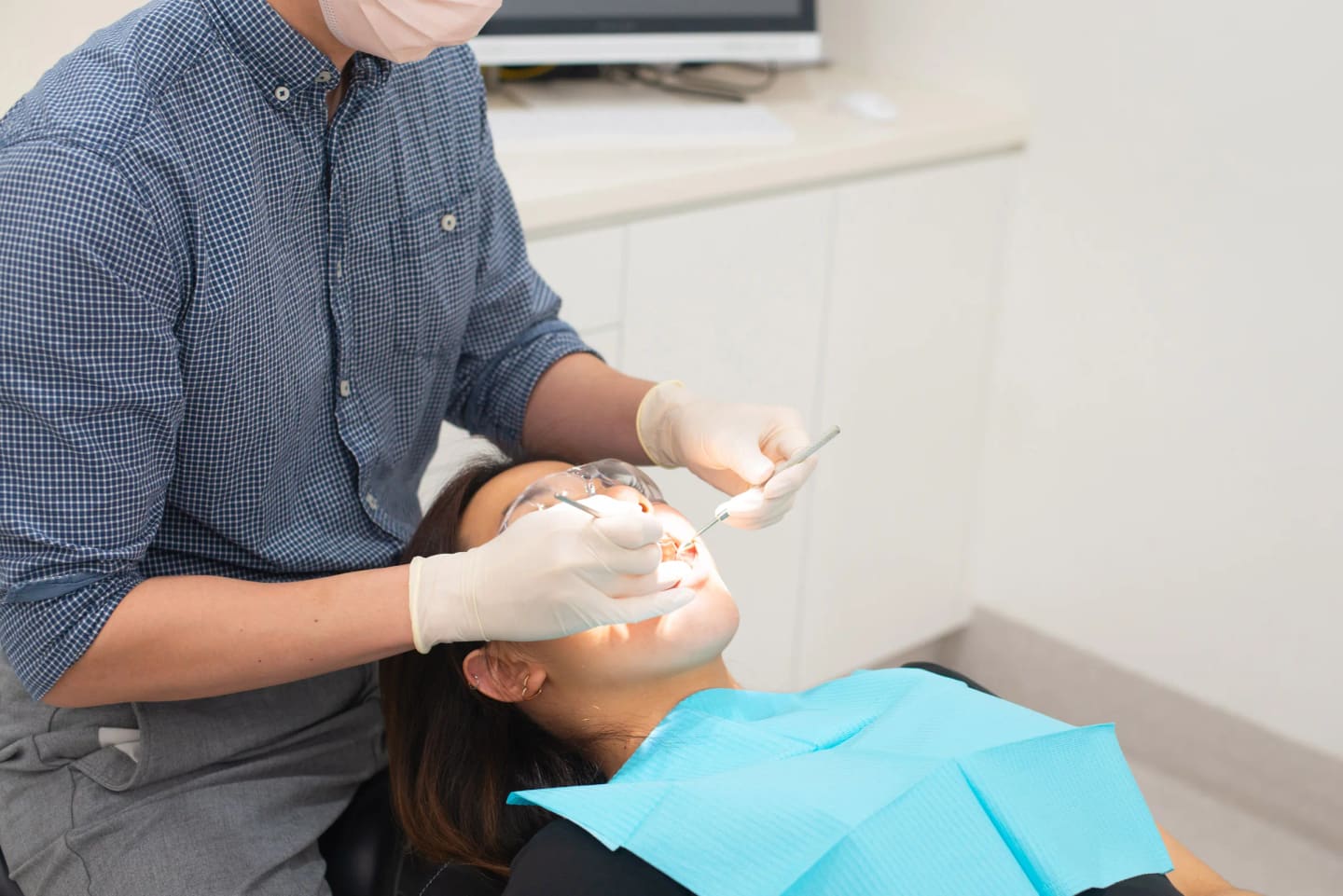
Three years. Five years. Maybe ten. You know it has been too long. You also know you should go. But somewhere between the guilt about leaving it so long and the worry about what they might find, you keep putting it off.
This is one of the most common situations we see at Ivy Dental. You are not unusual. You are not going to be scolded. And the first appointment is almost always less daunting than people expect.
Here is a straightforward account of what happens when you walk back in after a long gap.
You are not alone in this
Studies suggest that around 30% of Australians avoid or delay dental visits due to anxiety, cost, or falling out of the habit. Life gets busy. Dental appointments drop off the list. A year becomes two, then five.
The reasons vary. For some people, a bad experience in childhood created lasting dental anxiety. For others, it is financial. For many, it is just inertia. None of these reasons are unusual, and none of them change how we treat you.
Our only interest is your current situation and what you want to do about it.
What happens at the first appointment
A comeback appointment is structured differently from a routine six-monthly check-up. We allow more time and take a more thorough baseline.
Medical history update. Medications, health conditions, and anything that has changed since your last visit. This matters because conditions like diabetes, blood pressure medication, and some other medications can affect your dental health and treatment options.
Full-mouth X-rays. After a long gap, we need a comprehensive picture. Digital X-rays show decay between teeth, bone levels, infections at root tips, and any issues developing under old fillings or crowns. The radiation dose from digital dental X-rays is very low. Our guide to dental X-rays covers this in detail.
Clinical examination. Your dentist checks every tooth, the gums, soft tissues, jaw joints, and bite. They are looking for decay, gum disease, wear, cracks, and anything unusual.
Gum assessment. After years without professional cleaning, some degree of gum disease is common. Your dentist measures the gum pockets around each tooth to assess gum health. This tells us whether you need a standard clean or a more involved gum treatment.
Discussion. This is the part people worry about most, and it is usually the most reassuring. Your dentist explains what they have found, what needs attention, and what can wait. Not everything requires immediate treatment.
Understanding your treatment plan
If multiple issues are found, they are not all equally urgent. Your dentist will prioritise based on clinical risk.
Urgent: Active infections, pain, broken teeth. These are addressed first.
Important: Moderate decay, failing old restorations, early gum disease. These need attention within weeks to months.
Elective: Cosmetic concerns, minor wear, teeth that are functional but not ideal. These can be addressed when you are ready.
A written treatment plan with costs for each item lets you see the full picture. You decide the pace. Our guide on how to read a dental treatment plan can help you understand the document.
At Ivy Dental, we provide itemised quotes so you can claim each item through your health fund individually. All major health funds are accepted, and we process claims on the spot with HICAPS at our Everton Park and Nundah clinics.
Payment plans may be available to approved applicants for larger treatment plans.
The clean: what to expect after a long gap
A professional clean after years away is more involved than a routine maintenance clean.
Tartar (calculus) builds up over time, particularly along the gum line and behind the lower front teeth. Heavy tartar deposits cannot be removed with brushing alone. We use ultrasonic scalers to break up the deposits, followed by hand instruments for precision and polishing.
If gum disease is present, you may need a deeper clean called scaling and root planing. This is done under local anaesthetic and focuses on cleaning below the gum line where bacteria and tartar have accumulated. Sometimes this is done over two appointments, one side at a time.
Your gums may be tender and bleed during the clean. This is normal when gum disease is present and settles quickly as gum health improves.
Managing the emotional side
Walking into a dental practice after years away takes courage. A few things that can make it easier:
Tell us about your gap when you book. We will schedule appropriately and flag your preferences.
Ask for explanations. If you want to know what is happening at every step, tell your dentist. If you would prefer not to know, that is fine too.
Use a stop signal. Raise your hand at any point and we pause. You are in control.
Start with just the check-up. You do not have to commit to treatment at the first visit. Some patients prefer to get the assessment done, take the treatment plan home, and come back when they are ready.
Bring headphones. If the sound of dental instruments is a trigger, music or a podcast can help. We also have ceiling-mounted screens at Everton Park and Nundah.
Our detailed guide on overcoming dental phobia covers additional strategies.
What about the cost after years away
This is a fair concern. The reality is that problems caught earlier are simpler and cheaper to fix. A small filling is less expensive than a crown. A crown is less expensive than an implant.
But the cost of the first appointment itself is modest. A comprehensive check-up with X-rays and a clean is the baseline, and your health fund typically covers a significant portion.
From there, treatment is staged. You can address the most urgent items first and spread the rest over weeks or months.
The longer you wait, the more complex things tend to become. Coming in now, even if it has been years, is almost always the less expensive path compared to waiting another year.
Book your comeback appointment
We see patients returning after long gaps every week at our Everton Park and Nundah practices. No judgement, no lectures. Just a clear picture of where things stand and a realistic plan for moving forward.
Call (07) 3266 7120 or book online. Open 7 days at our Everton Park and Nundah practices. A general dentistry check-up is the right starting point.