Gum grafting is a surgical procedure that adds tissue to areas where gums have receded, exposing the root surface of one or more teeth. It is not cosmetic-only. Exposed roots are more vulnerable to decay, sensitivity, and further recession. Grafting addresses a functional problem as well as an aesthetic one.
If your dentist has recommended a gum graft, or you have noticed your gums pulling back from your teeth, this guide covers what the procedure involves, what it costs in Brisbane, and what to expect during recovery.
Why gum grafting is performed
Gum recession exposes the root surface of the tooth. Unlike the crown of the tooth, the root is not protected by enamel. This creates several problems.
Sensitivity. Exposed roots are directly connected to the nerve via tiny tubules in the dentine. Hot, cold, and sweet stimuli can cause discomfort that ranges from mild to significant.
Increased decay risk. Root surfaces are softer than enamel and more susceptible to cavities. Root caries can progress quickly and are often more difficult to restore.
Aesthetic concerns. Receding gums make teeth look longer and uneven. This is particularly noticeable on the front teeth.
Progressive loss. Without treatment, recession tends to continue. Once enough gum tissue is lost, the supporting bone can follow, eventually threatening the stability of the tooth.
Gum grafting aims to cover exposed roots, restore a healthy band of attached gum tissue, and prevent further recession.
Types of gum grafts
There are three main types of gum graft. The right one depends on the extent of recession, the amount of existing tissue, and the treatment goals.
Connective tissue graft. The most common type. A small piece of connective tissue is taken from underneath the surface of the palate (roof of your mouth) and stitched over the exposed root. This graft provides a good colour match and integrates well with the existing gum tissue.
Free gingival graft. A thin piece of tissue is taken directly from the surface of the palate and placed at the recession site. This type is used when the goal is to increase the thickness and width of the attached gum rather than to cover the root. It is more commonly used in areas where tissue is very thin.
Allograft or substitute material. Instead of tissue from your own palate, donor tissue (processed human tissue) or a collagen membrane is used. This avoids the need for a second surgical site in your mouth and can reduce post-operative discomfort. Outcomes are comparable to palatal grafts in many clinical studies.
Your dentist or periodontist will recommend the type that suits your clinical situation.
Gum graft pricing in Brisbane
Gum grafting fees depend on the type of graft, the number of teeth treated, and whether a specialist referral is involved.
Procedure | Starting price |
|---|---|
Connective tissue graft (single tooth) | From $800 |
Connective tissue graft (multiple teeth, per tooth) | From $600 |
Free gingival graft (single site) | From $700 |
Allograft / substitute material (single tooth) | From $900 |
Specialist periodontist consultation | From $150 |
Indicative pricing. Your quote may differ based on clinical assessment.
Treating multiple adjacent teeth in a single surgery is more cost-effective per tooth than treating them separately, because one donor site and one surgical session covers the area.
Health fund rebates may apply. Gum grafting is classified under periodontal surgery, which falls within major dental cover. At Ivy Dental, we process claims on site with HICAPS. Payment plans may be available to approved applicants.
What happens during the procedure
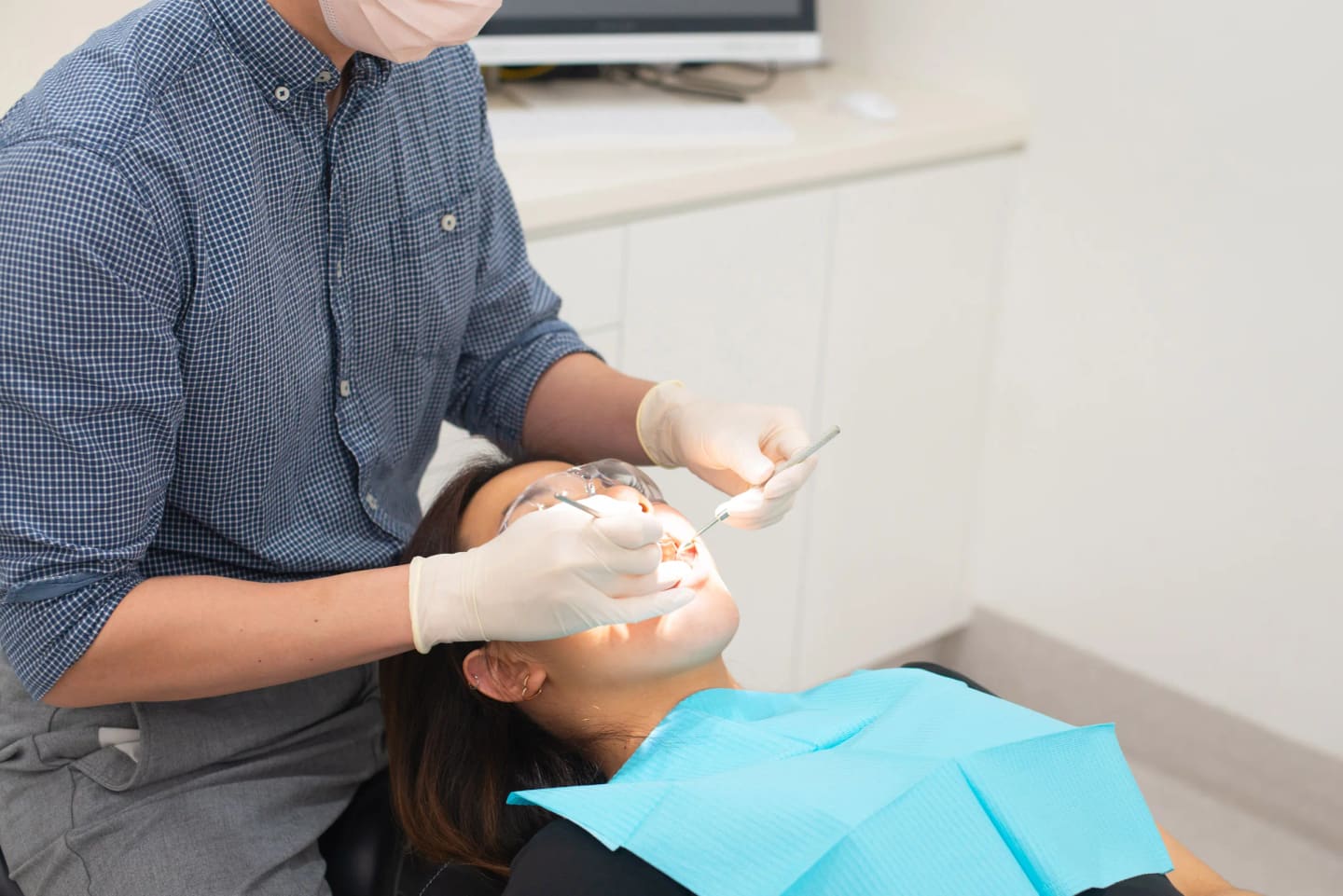
Gum graft surgery is typically performed under local anaesthesia. The appointment takes 60 to 90 minutes per area, depending on how many teeth are treated.
Preparation. The recession site is cleaned and the root surfaces are gently prepared. Any plaque or tartar is removed.
Tissue harvesting (if using your own tissue). A small flap is opened in the palate to access the connective tissue beneath. The tissue is removed and the palatal site is closed with stitches. For allografts, this step is not required.
Graft placement. The harvested or donor tissue is positioned over the exposed root and secured with fine stitches. The graft is covered by the existing gum tissue, which is repositioned to hold everything in place.
Post-operative instructions. You will receive detailed care instructions covering diet, medication, oral hygiene, and activity restrictions.
Recovery: what to expect
Recovery from gum grafting takes one to two weeks for the initial healing phase. Here is a general timeline.
Days 1 to 3. Moderate discomfort, particularly at the palatal donor site if used. Swelling around the treated area. Stick to soft, cool foods. Avoid brushing or flossing near the graft site.
Days 4 to 7. Discomfort decreases. Swelling begins to resolve. You can gradually reintroduce softer solid foods. The palate donor site typically heals faster than the graft site.
Weeks 2 to 4. The graft integrates with the surrounding tissue. Colour may appear slightly different from the adjacent gum initially but blends in over the following months. Your dentist may clear you to gently brush the area with a soft toothbrush.
Months 2 to 3. Full maturation of the graft tissue. The treated area should look and feel like natural gum tissue.
Most patients return to normal daily activities within two to three days. Strenuous exercise should be avoided for about a week.
Protecting your gums after grafting
A successful graft addresses existing recession, but the underlying causes need to be managed to prevent recurrence.
Brushing technique. Aggressive brushing is one of the most common causes of gum recession. Use a soft-bristled brush and gentle, circular motions. Your dentist or hygienist can demonstrate proper technique at your next cleaning appointment.
Grinding. Clenching and grinding place excessive force on teeth and gums. A night guard can protect both your natural gum tissue and the grafted area.
Regular reviews. Six-monthly check-ups allow your dentist to monitor the graft site and catch any early signs of further recession.
Gum disease management. If periodontal disease contributed to the recession, ongoing management through professional cleaning and diligent home care is critical to maintaining results.
Getting assessed at Ivy Dental
Not all gum recession requires grafting. Mild cases may be managed with monitoring and changes to brushing technique. Moderate to severe recession with root exposure, sensitivity, or progressive tissue loss is where grafting becomes clinically indicated.
At Ivy Dental in Everton Park and Nundah, we assess gum recession as part of every routine examination. If grafting is recommended, we will explain the procedure, the expected outcome, and the cost before you make a decision.
Book a gum health assessment at Ivy Dental. Call (07) 3266 7120 or visit us at Everton Park or Nundah. Open 7 days.