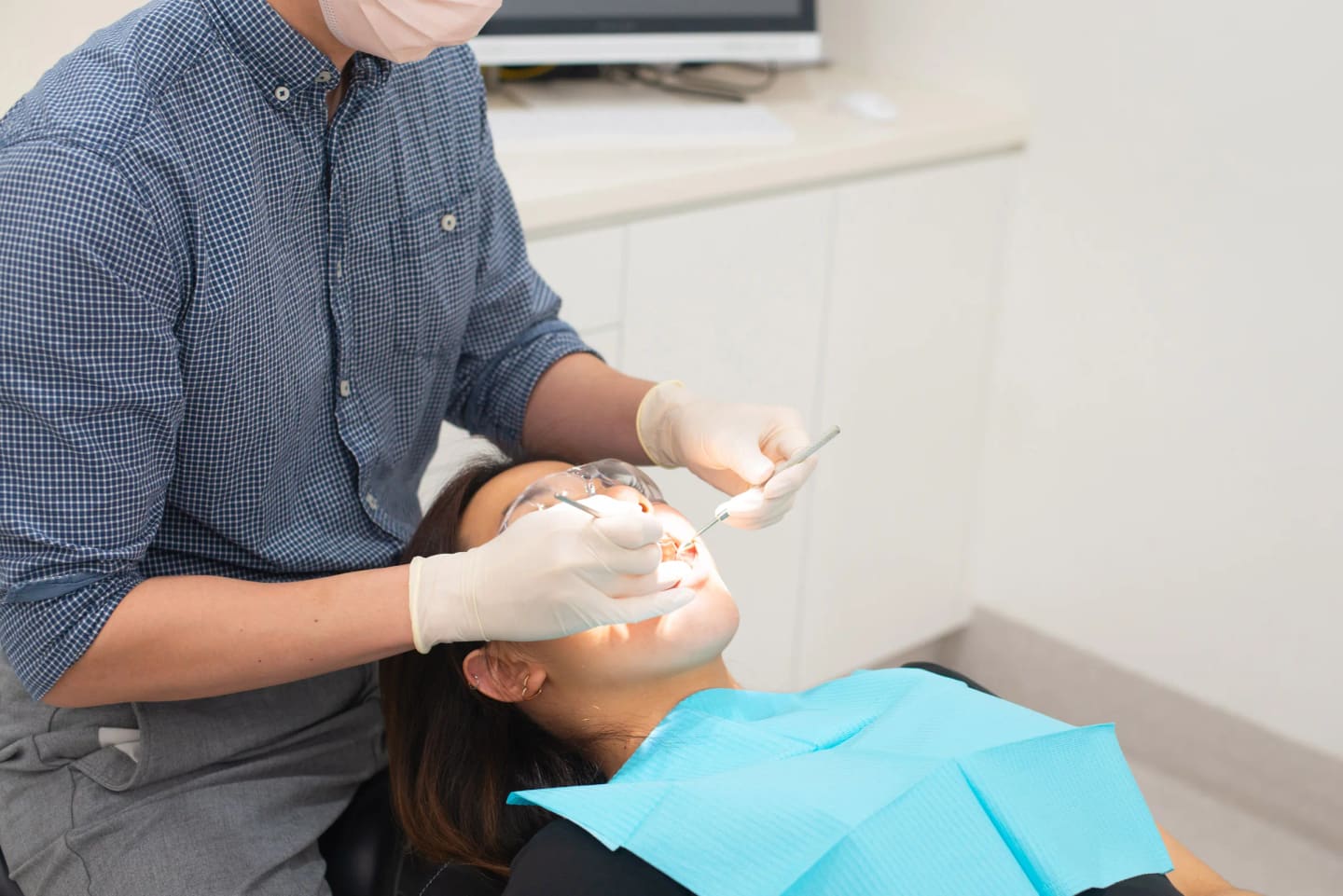
Gum recession happens when the gum tissue that surrounds your teeth pulls back or wears away, exposing more of the tooth or the tooth root. It is common, often gradual, and easy to overlook until sensitivity or visible changes prompt a closer look.
Left unmanaged, recession can lead to increased sensitivity, root surface decay, and in advanced cases, tooth mobility. The good news is that early detection and the right treatment approach can slow or stop progression and protect the teeth involved.
What causes gum recession?
Recession rarely has a single cause. Most cases involve a combination of the following factors.
Brushing too hard
This is one of the most common contributors, particularly along the outer surfaces of the upper and lower teeth. Aggressive brushing with a hard-bristled toothbrush wears away enamel at the gum line and physically pushes gum tissue back over time. Switching to a soft-bristled brush and a gentle circular technique can make a measurable difference.
Gum disease (periodontal disease)
Bacterial infection of the gums is the common clinical cause of recession. When plaque builds up below the gum line, it triggers inflammation that damages the attachment between gum and tooth. As the disease progresses, the gum detaches and recedes. You can read more about this in our guide to gum disease treatment in Brisbane.
Teeth grinding and clenching
Chronic grinding (bruxism) places excessive lateral force on teeth, which can damage the bone and gum tissue supporting them. Over time, this contributes to recession, particularly on teeth that bear the brunt of the grinding pattern. If you suspect you grind at night, a custom night guard can reduce the impact.
Genetics
Some people are more susceptible to recession regardless of how well they look after their teeth. Thin gum tissue (known as a thin biotype) is partly inherited and is more prone to recession than thicker tissue.
Other contributing factors
- Tobacco use. Smoking reduces blood flow to gum tissue and impairs healing.
- Misaligned teeth. Teeth that sit outside the arch can have thinner bone and gum coverage, making them more vulnerable.
- Piercings. Lip or tongue piercings can rub against gum tissue and cause localised recession.
- Hormonal changes. Fluctuations during puberty, pregnancy, and menopause can make gums more sensitive and susceptible to recession.
Warning signs to watch for
Recession often develops without pain, so visual and sensory cues are important.
- Teeth appear longer than they used to.
- A notch or groove is visible or felt at the gum line.
- Sensitivity to cold, heat, or sweet foods that was not present before. This occurs when the root surface, which lacks protective enamel, becomes exposed.
- Bleeding when brushing or flossing, which may indicate underlying gum disease contributing to the recession.
- A change in how your teeth look when you smile, with uneven gum lines becoming more noticeable.
If you notice any of these, a dental check-up is the right first step. Early-stage recession is far easier to manage than advanced cases.
Book an assessment if you have noticed changes in your gum line. Book an assessment
Stages of gum recession
Dentists classify recession based on how much tissue has been lost and whether the bone between the roots is intact.
- Mild recession. The gum has pulled back slightly but remains above the junction between enamel and root. Sensitivity may or may not be present. Often manageable with improved hygiene and monitoring.
- Moderate recession. Root surface is exposed. Sensitivity is more common. Pocketing between the gum and tooth may be present. Active treatment is typically recommended.
- Severe recession. Significant root exposure, possible bone loss, and increased risk of root decay or tooth mobility. Surgical intervention may be necessary.
Your dentist will measure recession depth using a periodontal probe during your examination. These measurements are tracked over time to monitor whether the condition is stable or progressing.
Treatment options
Treatment depends on the cause, severity, and which teeth are affected.
Improved oral hygiene technique
For mild cases caused by aggressive brushing, the first step is often changing your brushing technique and switching to a soft-bristled brush. An electric toothbrush with a pressure sensor can help prevent over-brushing. This alone may be enough to stop progression in early-stage recession.
Professional deep cleaning (scaling and root planing)
When gum disease is contributing to recession, a deep cleaning procedure removes plaque and tartar from below the gum line. Root planing smooths the root surface, which helps the gum tissue reattach. This is performed under local anaesthesia and is one of the most effective non-surgical treatments for gum disease-related recession.
Desensitising treatments
Exposed root surfaces can be treated with fluoride varnishes, desensitising agents, or bonding resin to reduce sensitivity and protect against root decay. These are applied in the dental chair and can provide noticeable relief.
Gum grafting (specialist referral)
For moderate to severe recession, gum grafting may be recommended. This is a surgical procedure where tissue is taken from another area of the mouth (often the palate) or from a donor source and placed over the exposed root. Grafting can restore gum coverage and protect the tooth from further damage.
Gum grafting is a specialist procedure. At Ivy Dental, we assess the recession, provide initial treatment for any underlying gum disease, and refer to a trusted periodontist in Brisbane if grafting is indicated. We coordinate your care throughout.
Orthodontic repositioning
In cases where tooth misalignment is contributing to recession, moving the affected tooth back into a better position within the arch can improve the bone and gum support around it. This is not a standalone treatment for recession but may form part of a broader plan.
Prevention
Recession cannot always be prevented, particularly when genetics play a role. But the following habits reduce your risk considerably.
- Use a soft-bristled toothbrush and gentle pressure. Electric toothbrushes with pressure sensors are a practical choice.
- Brush twice daily and floss once daily to keep plaque levels low.
- Attend regular dental check-ups so recession can be detected and monitored early.
- If you grind your teeth, wear a night guard to reduce the load on your gums and bone.
- If you smoke, reducing or stopping tobacco use improves gum health and healing capacity.
- Treat gum disease promptly. Gingivitis is reversible. Periodontitis is manageable but not reversible, so early action matters.
When to see a dentist
Do not wait for pain. If you notice your teeth look longer, if you can feel a ridge or notch at the gum line, or if cold drinks cause a sharp sting that is new, book an appointment. In north Brisbane, our Everton Park and Nundah clinics see patients with gum concerns regularly, and early assessment gives you the most treatment options.
Book a gum health assessment at Ivy Dental. Book an assessment, or call (07) 3266 7120.