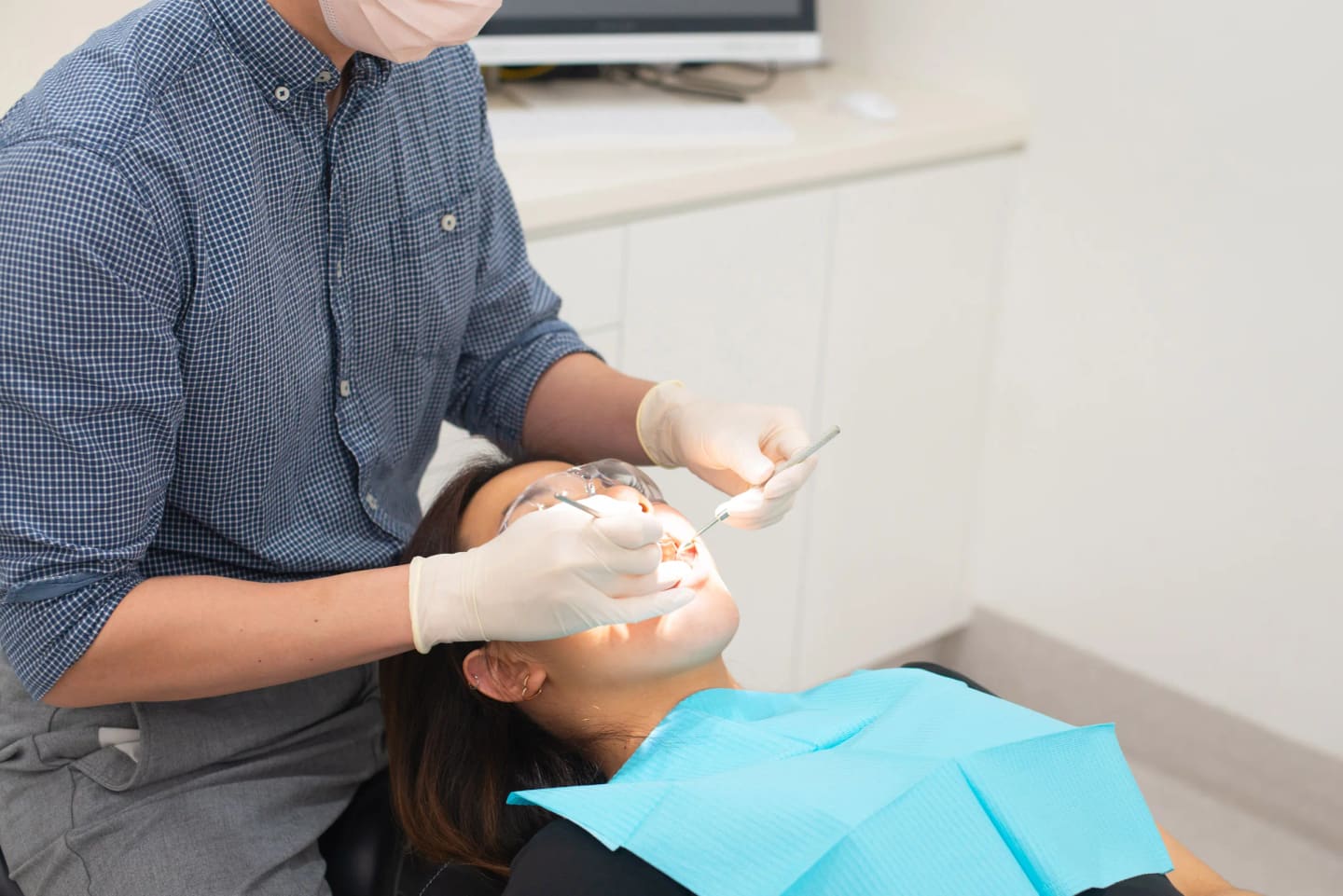
Pregnancy changes your body in ways you expect and ways you do not. Your teeth and gums are affected more than most people realise. Hormonal shifts, dietary changes, morning sickness, and changes to saliva all create conditions that can accelerate gum disease and tooth decay if left unmanaged.
The good news is that most dental treatment remains safe during pregnancy. The key is knowing what to book, when to book it, and what to defer until after delivery.
Why pregnancy affects your oral health
Progesterone and oestrogen levels increase significantly during pregnancy. These hormones affect the gum tissue directly, increasing blood flow and making gums more reactive to plaque bacteria.
The result is pregnancy gingivitis. Gums that bleed easily during brushing, appear redder or puffier than usual, and may feel tender. Research suggests this affects up to 60 to 75 per cent of pregnant women to some degree.
If pre-existing gum disease is present before pregnancy, hormonal changes can accelerate it. Untreated periodontal disease during pregnancy has been associated in some studies with adverse pregnancy outcomes, though the research is still evolving and causation is not established.
Morning sickness introduces another issue. Stomach acid washing over teeth erodes enamel. If you are vomiting frequently, your teeth are exposed to acid repeatedly throughout the day.
Dietary changes and cravings play a role too. Increased snacking, carbohydrate cravings, and changes to meal patterns all affect the oral environment.
First trimester: what to know
The first trimester is the period of highest sensitivity for foetal development. Most dentists take a conservative approach during these first twelve weeks.
Safe: Routine check-ups and cleans are safe throughout pregnancy, including the first trimester. If you have a scheduled check-up, keep it. Let your dentist know you are pregnant at the start of the appointment.
Generally deferred: Elective procedures, cosmetic work, and routine X-rays are typically postponed until the second trimester or after delivery. Not because they are proven harmful, but because a conservative approach during organogenesis is standard practice.
Not deferred: Dental emergencies. If you have an abscess, severe toothache, or a broken tooth, treatment should not wait. Untreated infection poses a greater risk than the treatment itself. Your dentist and obstetrician can coordinate if needed.
Morning sickness tip: After vomiting, do not brush immediately. Stomach acid softens enamel, and brushing straight away can abrade it. Rinse with water or a baking soda rinse (one teaspoon of baking soda in a glass of water) and wait 30 minutes before brushing.
Second trimester: the treatment window
Weeks 13 to 27 are the most comfortable and practical window for dental treatment during pregnancy.
Morning sickness has typically eased. You are not yet large enough to be uncomfortable lying back in a dental chair. And the major developmental milestones have passed, making this the lowest-risk period for elective treatment.
During the second trimester, your dentist may recommend:
- Professional cleaning. Particularly important if you are experiencing bleeding or swollen gums. Removing plaque and calculus reduces the bacterial load driving gum inflammation.
- Fillings. Treating active decay prevents it from progressing to infection. Local anaesthetic with lignocaine is considered safe during pregnancy. Adrenaline-containing anaesthetics are used routinely and are not contraindicated at standard dental doses.
- X-rays if clinically necessary. Modern digital X-rays deliver very low radiation. With abdominal shielding, the exposure to the foetus is negligible. If your dentist needs diagnostic imaging for treatment, it is safer to take the X-ray than to guess.
This is a good time to book a check-up if you have not had one recently. At Ivy Dental, we can schedule a comprehensive check-up and clean, assess gum health, and address any concerns in a single appointment.
Book a pregnancy dental check at Ivy Dental. Call (07) 3266 7120 or book online.
Third trimester: comfort and timing
By the third trimester, lying flat on your back for extended periods becomes uncomfortable and can compress the inferior vena cava, reducing blood flow. Short appointments are fine. Longer procedures are generally better deferred until after delivery.
Practical considerations:
- If you need treatment, we can adjust the chair angle so you are reclined rather than flat. Turning slightly to the left side also helps with comfort and circulation.
- Appointments earlier in the day tend to be easier. Energy levels and comfort are typically better in the morning.
- If treatment can safely wait six to eight weeks, deferring until after delivery is reasonable. Your dentist can advise whether something is urgent or can wait.
Keep up with your home care routine. The third trimester is when fatigue and discomfort make it tempting to skip evening brushing. This is also when gum inflammation tends to peak due to maximum hormone levels.
Medications and pregnancy
Some common dental medications require consideration during pregnancy:
- Local anaesthetic (lignocaine): Safe at standard dental doses. This is well established.
- Paracetamol: The preferred pain reliever during pregnancy.
- Ibuprofen: Generally avoided, particularly in the third trimester, due to potential effects on foetal circulation.
- Antibiotics: Amoxicillin and cefalosporins are commonly used and considered safe. Metronidazole is typically avoided in the first trimester. Your dentist will consult prescribing guidelines and can liaise with your obstetrician if needed.
- Teeth whitening: Not recommended during pregnancy or breastfeeding. Not because of proven harm, but because there is insufficient evidence of safety. This is purely elective and easy to defer.
Always tell your dentist about any medications or supplements you are taking, including prenatal vitamins and any prescribed by your obstetrician.
Cost and coverage during pregnancy
A standard dental check-up and clean is the foundation of pregnancy dental care.
- Health fund members. Preventive services such as check-ups and cleans are typically covered under general dental. We accept all major health funds with HICAPS on site for immediate claiming.
- Medicare. Medicare does not cover general dental services for adults in Australia. However, if you have children aged 0 to 17, the Child Dental Benefits Schedule (CDBS) provides up to $1,158 over two years for eligible children.
- No health fund. Payment plans may be available to approved applicants if you need treatment that is not covered.
Do not let cost uncertainty prevent you from attending a check-up. A routine visit is one of the more affordable preventive steps you can take during pregnancy.
After delivery: what to follow up
Once you have delivered, book a dental check-up within the first few months. Pregnancy can accelerate existing issues, and catching them early post-partum is easier than dealing with them while managing a newborn and sleep deprivation.
If you experienced significant pregnancy gingivitis, a professional clean post-delivery helps reset your gum health as hormone levels normalise.
Breastfeeding does not prevent you from having dental treatment, including local anaesthetic, fillings, and X-rays. If you deferred any treatment during pregnancy, now is the time to follow through.
Book a post-pregnancy dental check at Ivy Dental. Our Everton Park and Nundah practices are open seven days. General dentistry check-ups during pregnancy are safe and recommended. Call (07) 3266 7120 or book online.