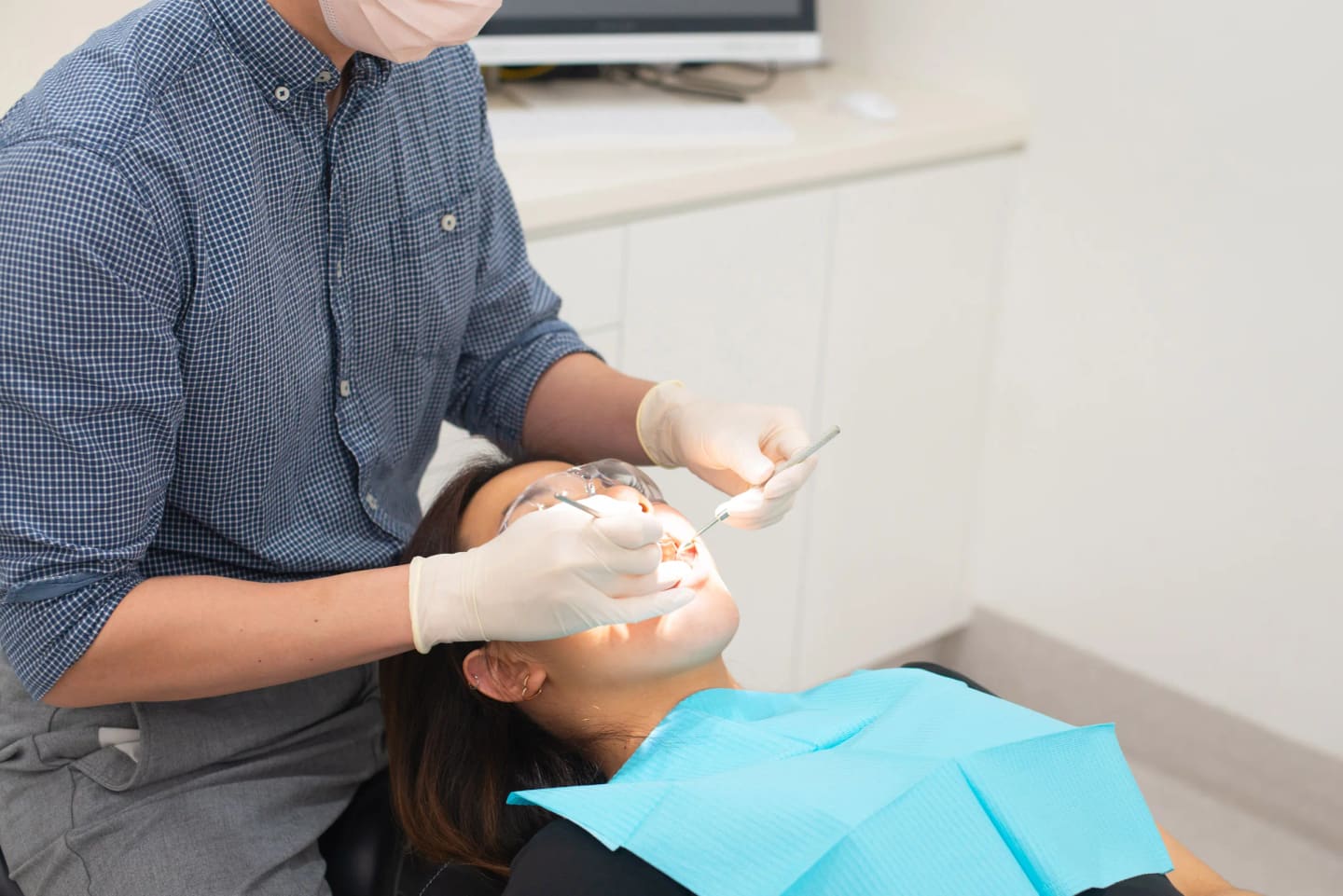
You get a quote from one dentist. You get a different quote from another dentist for what sounds like the same treatment. The gap between the two numbers might be hundreds or thousands of dollars. It is confusing, and it is one of the most common frustrations patients raise.
The variation is not random. Dental treatment costs are influenced by a set of specific clinical, material, and operational factors. Understanding them makes it easier to evaluate a quote and ask the right questions before you commit.
The item number system
In Australia, dental treatments are coded using the Australian Dental Association (ADA) schedule of item numbers. Each treatment type has a specific item number, and your dentist lists these on your treatment plan.
Health funds use these item numbers to calculate rebates. But the ADA does not set prices. It publishes a suggested fee schedule, and practices set their own fees based on their costs, location, and the level of service they provide.
This is why two practices can quote different amounts for the same item number. The code describes the treatment. The price reflects how that treatment is delivered.
Factor 1: Clinical complexity
The biggest driver of cost variation between patients is the complexity of the treatment itself.
A straightforward case requires less time, fewer materials, and fewer appointments than a complex one. Two patients both needing a crown may receive very different quotes because one tooth needs a standard preparation while the other needs a core build-up, a longer appointment, or a modified impression technique.
Examples of factors that increase complexity:
- Tooth location. Back teeth are harder to access and often require more material.
- Existing damage. A tooth with extensive decay or a previous failed restoration takes longer to prepare.
- Bite relationship. How your teeth come together affects the design requirements of the restoration.
- Gum condition. Inflamed or receding gums may require additional treatment before the restoration can begin.
Your dentist cannot always predict the full complexity until they begin the assessment. This is why a treatment plan produced after a thorough examination tends to be more accurate than a phone estimate.
Factor 2: Materials and lab work
The materials used in your treatment have a direct impact on the cost.
For restorations like crowns, veneers, and bridges, the porcelain or ceramic is fabricated by a dental laboratory. Lab fees vary based on the material type, the level of customisation, and whether the lab is local or overseas.
At Ivy Dental, we use an in-house dental lab for many restorations. This gives us direct control over material quality and turnaround. Not every practice has this capability, and outsourcing to external labs adds cost and can limit the level of customisation available.
Material tiers for crowns and veneers:
- Zirconia: strong, opaque, suited to back teeth. Generally lower cost.
- Lithium disilicate (e.g. e.max): excellent aesthetics and strength. Mid-range cost.
- Layered feldspathic porcelain: highest aesthetic customisation. Higher cost due to hand-layering by a ceramist.
The same item number for a "porcelain crown" can describe any of these materials. When comparing quotes, ask which material is being used.
Factor 3: Technology and equipment
Practices that invest in digital scanners, CBCT imaging, CAD/CAM milling, and surgical guides have higher operational costs. These technologies improve accuracy, reduce treatment time, and often produce better outcomes, but they cost money to purchase and maintain.
A practice using digital impressions (no moulds) and computer-designed restorations may charge more per item but deliver a more precise result with fewer remakes and fewer appointments. A practice using older methods may charge less per item but require additional visits to achieve the same outcome.
Neither approach is inherently wrong. But comparing prices without considering the technology behind the treatment can be misleading.
Factor 4: Dentist experience and specialisation
A general dentist and a specialist (such as a prosthodontist or endodontist) will often charge different fees for the same procedure. Specialists have additional years of training and typically handle more complex cases.
Among general dentists, fees also vary based on experience, continuing education, and the types of cases they routinely handle. A dentist who has completed advanced training in cosmetic dentistry and treats complex veneer cases regularly may charge more than a dentist who places veneers occasionally.
This does not mean a higher fee always means a better result. But it is one of the factors that influences the number on your quote.
Factor 5: Practice location and overheads
Rent, staffing, insurance, infection control, and compliance costs vary by location. A practice in a Brisbane CBD high-rise has different overheads to a practice in a suburban shopping centre.
These costs are built into the fee structure. They are not itemised on your quote, but they affect the baseline cost of every treatment the practice provides.
Factor 6: Number of appointments
Some treatments can be completed in one visit. Others require multiple appointments spread over weeks. Each appointment has a cost associated with it: clinician time, materials, sterilisation, and the use of the surgery.
A dental implant, for example, involves a surgical appointment, a healing period, an impression appointment, and a fitting appointment. If bone grafting is needed, that adds another appointment and another cost. The total fee reflects the full sequence, not a single procedure.
When reviewing a quote, check how many appointments are included and what happens if additional visits are needed.
Factor 7: Health fund rebates
Your out-of-pocket cost depends partly on your health fund coverage. Different funds cover different percentages of different item numbers, and the gap between what the fund pays and what the practice charges varies.
Some practices are "preferred providers" with specific health funds, which can reduce your gap payment but may also limit the practice's ability to use certain materials or spend additional time on a case.
At Ivy Dental, we accept all major health funds with HICAPS on site for immediate claims. Visit our payment page for details on gap estimates and payment options.
Indicative pricing. Your quote may differ based on clinical assessment.
How to evaluate a dental quote
When you receive a treatment plan, look for:
- Item numbers. Are the ADA item numbers listed? This lets you compare like for like across practices.
- Material specification. For crowns, veneers, or other restorations, ask what material is included in the quoted price.
- Appointment count. How many visits does the treatment require? Are follow-up appointments included?
- Inclusions. Does the quote include X-rays, impressions, temporary restorations, and adjustments?
- Health fund estimate. Has the practice provided an estimated gap after your fund rebate?
Comparing quotes purely on price, without checking these details, can lead to poor decisions. A lower quote that excludes follow-up visits or uses a less durable material may cost more in the long run.
Common treatments and starting prices at Ivy Dental
Treatment | Starting from |
|---|---|
Porcelain veneers | From $1,200 per tooth |
Porcelain crowns | From $1,600 |
Clear aligners | From $6,500 |
Check-up and clean | See our check-up cost page |
Indicative pricing. Your quote may differ based on clinical assessment.
Ask the right questions before you decide
Price matters. But value matters more. A well-planned, well-executed treatment that lasts 15 years is a better investment than a cheaper alternative that fails in 3.
If you have received a quote and are unsure what it includes, or if you want a second opinion, we are happy to review your treatment plan and explain what the costs cover.
Book a consultation at Ivy Dental
We see patients across Brisbane at our Everton Park and Nundah locations, open 7 days. Call us on (07) 3266 7120 to book a consultation and get a detailed treatment plan with transparent pricing.