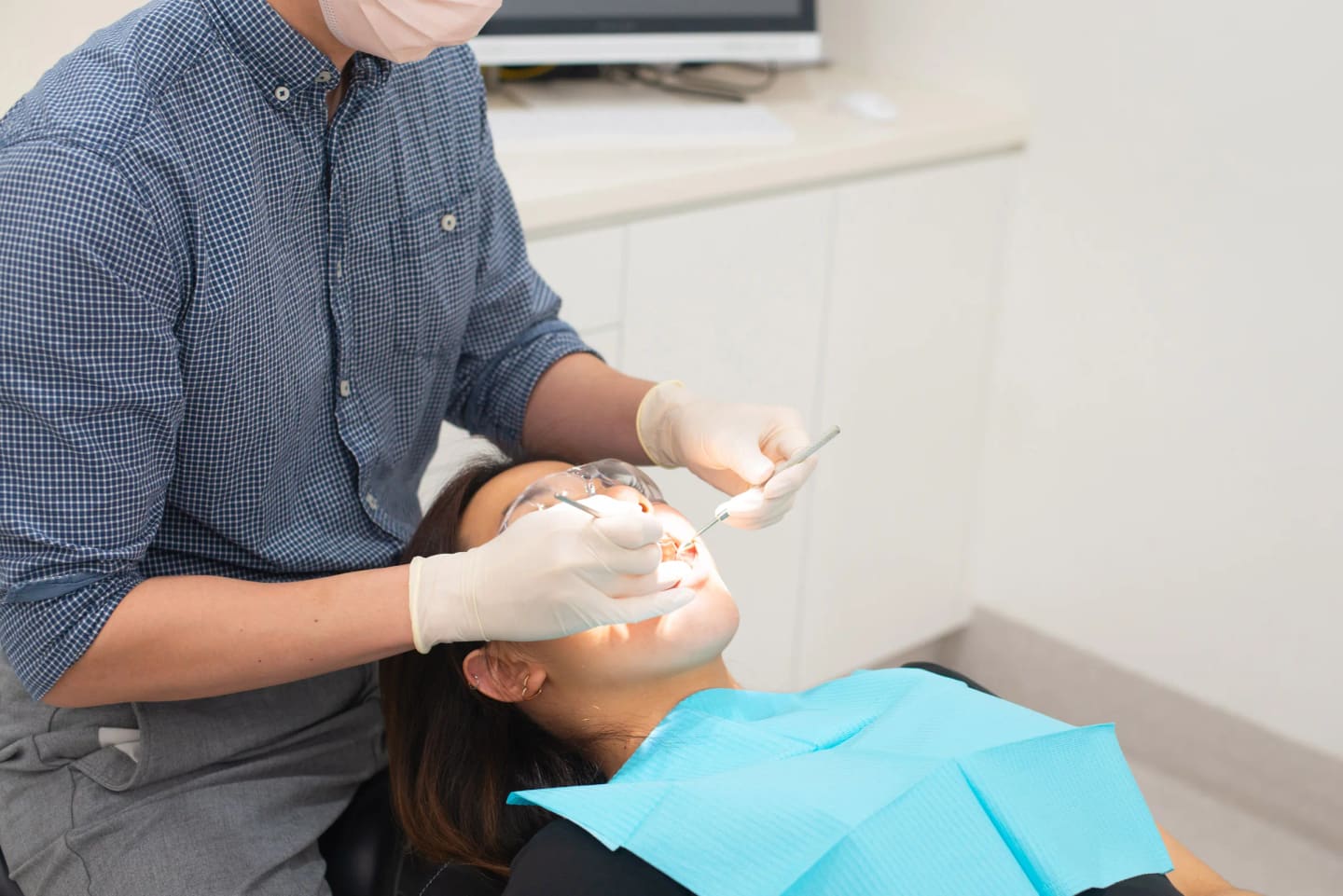
You have probably heard the "every six months" rule since childhood. For many people, that schedule works well. But it is not a universal prescription. The right visit frequency depends on your individual oral health, your habits, and your risk factors.
Here is how to think about it, and how your dentist decides what to recommend.
The six-month standard
The twice-yearly check-up has been the default recommendation in Australian dentistry for decades. For the average adult with reasonable oral hygiene and no active dental problems, six months is a practical interval. It is frequent enough to catch issues early and maintain a professional clean schedule.
A standard check-up and clean at this interval typically includes:
- A clinical examination of teeth, gums, and soft tissues
- Bitewing X-rays (usually annually or every two years)
- A scale and polish to remove plaque and calculus deposits
- Fluoride application if indicated
- A discussion of any findings and, where necessary, a treatment plan
At Ivy Dental in Brisbane, a comprehensive check-up starts from $220. Most health funds cover a portion of preventive visits, and we process claims on the spot with HICAPS.
When you may need more frequent visits
Some patients benefit from three- or four-monthly appointments. Your dentist may recommend a shorter recall interval if you have:
Active gum disease. Periodontitis requires more frequent professional cleaning to manage bacterial load beneath the gum line. Once stabilised, the interval may extend, but ongoing monitoring is typical.
High decay risk. If you have had multiple fillings in the past two to three years, a shorter cycle helps catch new decay before it progresses. Factors that increase decay risk include dry mouth (often medication-related), a high-sugar diet, and limited fluoride exposure.
Orthodontic treatment. Patients wearing braces or clear aligners may need more regular hygiene appointments. Brackets and attachments create areas that are harder to clean, increasing the risk of demineralisation and gum inflammation.
Diabetes or immune conditions. Systemic conditions can affect healing and increase susceptibility to oral infections. Closer monitoring helps manage these risks.
Pregnancy. Hormonal changes during pregnancy can increase gum sensitivity and inflammation. The Australian Dental Association recommends a dental check-up during pregnancy, and your dentist may suggest an additional hygiene visit during the second trimester.
Smoking. Smokers have a significantly higher risk of gum disease and slower healing. More frequent professional assessment is generally recommended.
When annual visits may be enough
Not everyone needs two visits a year. If you are an adult with:
- No history of decay in the past several years
- Healthy gums with no bleeding or pocket depth concerns
- Good daily brushing and flossing habits
- No systemic health conditions that affect oral health
Then your dentist may be comfortable with a 12-month recall. This is a clinical decision, not a cost-cutting shortcut. Your dentist assesses your risk profile and adjusts the schedule accordingly.
The key is that the interval is agreed between you and your dentist based on evidence, not chosen at random.
What happens when you skip visits
The cost of prevention is almost always lower than the cost of treatment. A six-monthly check-up and clean at Ivy Dental starts from $220. A single dental crown, by contrast, typically starts from $1,600.
When check-ups are delayed or skipped, small problems grow:
- A tiny area of early decay that could have been treated with a small filling may progress into the nerve, requiring root canal treatment.
- Early gum disease (gingivitis), which is reversible with professional cleaning and improved home care, can advance to periodontitis, which involves bone loss and may eventually lead to tooth loss.
- A small crack that could have been protected with a crown may fracture further, sometimes to the point where the tooth cannot be saved.
None of these outcomes are certain if you skip a visit. But the pattern is consistent: problems identified early cost less, involve less discomfort, and preserve more natural tooth structure.
Book a check-up at Ivy Dental →
How your dentist decides your recall interval
At your first visit, your dentist will assess several factors:
- Decay history. How many fillings have you had, and how recently?
- Gum health. Probing depths, bleeding on probing, and attachment levels.
- Home care. Are you brushing twice daily and cleaning between your teeth?
- Medical history. Medications, conditions, and lifestyle factors that affect oral health.
- Diet. Frequency of sugar and acid exposure.
- X-ray findings. Any signs of developing issues that warrant closer monitoring.
Based on this assessment, your dentist will recommend a recall interval. That interval may change over time as your circumstances change. A patient who was on a three-monthly cycle for gum disease may move to six months once their condition is stable. A patient who was comfortable at 12 months may shift to six if new risk factors emerge.
Making regular visits manageable
Cost is one of the most common reasons people delay dental visits. A few things that may help:
Health fund timing. If you have extras cover, most funds allow two preventive visits per calendar year. Spacing visits in January and July, or February and August, maximises your annual benefit.
CDBS for children. The Child Dental Benefits Schedule covers eligible children for up to $1,158 in dental services over two consecutive years. Check your eligibility through Medicare.
Payment plans. For treatment identified during a check-up, payment plans may be available to approved applicants. This can help spread the cost of larger treatment plans.
Prioritisation. If you can only manage one visit a year, make it a thorough one. A comprehensive examination with X-rays gives your dentist the most complete picture.
The short version
Six months is a reasonable default for most adults. But "most" does not mean "all." Your dentist should explain why they are recommending a specific interval and adjust it as your oral health changes.
If it has been more than 12 months since your last check-up, the most useful step is to book one and get a current baseline. Everything else follows from there.
Ivy Dental is open seven days across our Everton Park and Nundah locations, with Indooroopilly opening soon. Book your next check-up online → or call (07) 3266 7120.