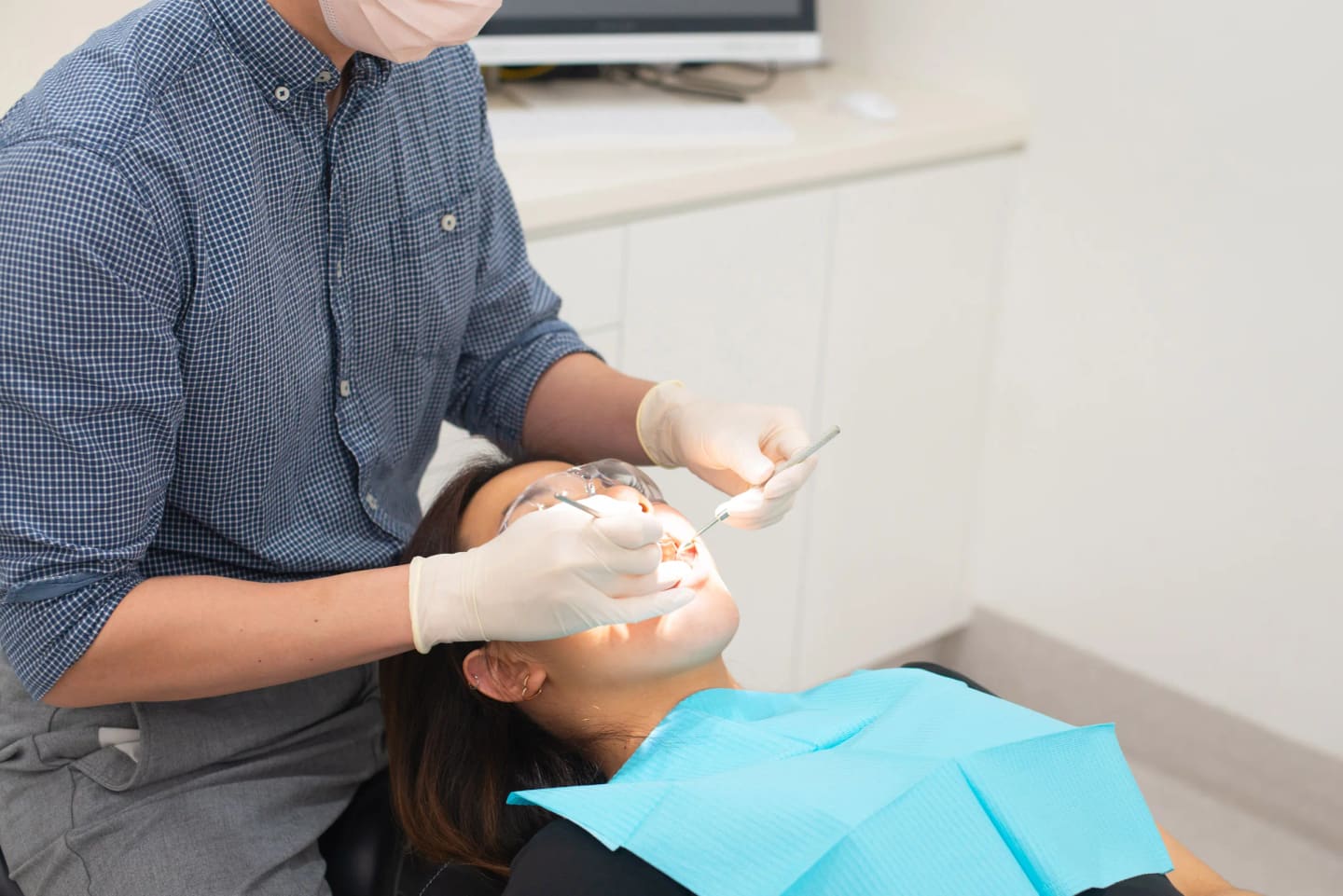
Nobody skips the dentist because they think it is a good idea. People skip because life gets busy, the appointment does not feel urgent, finances are tight, or anxiety keeps them away. The reasons are understandable.
The consequences are not always obvious in the moment. Dental problems are often silent. They build slowly, over months and years, without pain or visible signs, until they reach a point where they can no longer be ignored.
This guide looks at what that delay costs in real terms. Not scare tactics. Just the practical reality of what we see at our Brisbane clinics when patients return after extended gaps.
Small Problems Become Expensive Problems
Dental disease is progressive. It does not plateau. A small cavity left untreated does not stay small. It grows.
Here is a realistic timeline of what can happen to a single untreated cavity:
Year one. A small area of demineralisation or early decay, often visible only on X-ray. At this stage, it may be reversible with fluoride and improved hygiene, or treatable with a small filling costing a few hundred dollars.
Year two to three. The decay has progressed through the enamel and into the dentine. A larger filling is now required. Cost increases. The tooth is more compromised.
Year three to five. The decay reaches the pulp (the nerve and blood supply inside the tooth). You may now experience pain, sensitivity to hot and cold, or a spontaneous toothache. Treatment at this stage typically requires a root canal and a crown to restore the tooth structurally. Combined cost: from $2,800 to $3,600 or more.
Year five and beyond. If the tooth is not salvageable, extraction is required. Replacing a missing tooth with a dental implant costs from $4,500 to $6,500 in Brisbane. A dental bridge is another option but involves preparing adjacent teeth.
The original small cavity could have been treated for a fraction of these amounts. Prevention is cheaper than repair at every stage.
Gum Disease: The Quiet Accumulation
Tooth decay gets most of the attention, but gum disease is the common cause of tooth loss in Australian adults. And it is often asymptomatic until significant damage has occurred.
Without regular professional cleaning, plaque hardens into calculus (tartar) below the gum line. This calculus harbours bacteria that trigger chronic inflammation. Over time:
- Gums recede, exposing root surfaces that are softer and more vulnerable to decay
- The bone that supports the teeth is gradually destroyed
- Teeth become loose
- Teeth may need to be extracted
The early stages of gum disease (gingivitis) are reversible with professional cleaning and improved home care. The later stages (periodontitis) are manageable but not reversible. The bone lost to periodontitis does not grow back.
A patient who attends regular check-ups and cleans will have gingivitis identified and treated before it progresses. A patient who skips the dentist for five years may present with moderate periodontitis and permanent bone loss.
For more on the stages and treatment of gum disease, see our guide on periodontal disease.
Book a check-up to know where you stand
The Health Fund Factor
Many Australians have dental cover in their private health insurance. Most plans include two check-ups and cleans per year at no out-of-pocket cost or a small gap.
Skipping those covered appointments means paying your premium without using the preventive benefits you are entitled to. You are funding the insurance but not claiming the return.
We accept all major health funds with HICAPS on site at our Everton Park and Nundah locations. If you have cover, use it. A check-up that costs you nothing out of pocket today can prevent treatment that costs thousands later.
For patients without private health cover, payment plans may be available to approved applicants. We also bulk-bill eligible children aged 0 to 17 under the Child Dental Benefits Schedule, with $0 out of pocket for CDBS-covered items while the remaining Medicare balance covers the planned treatment.
What You Cannot See at Home
One of the reasons dental problems accumulate during long gaps between visits is that most issues are invisible to the patient until they are advanced.
Decay between teeth. Cavities that form on the surfaces between teeth (interproximal decay) are not visible to the eye. They are detected on X-rays, often years before symptoms appear.
Bone loss around teeth. Only visible on X-rays. By the time a tooth feels loose, significant bone has already been lost.
Cracked teeth. Hairline fractures in teeth can be present for years without symptoms. A dentist using magnification and specific testing can identify cracks before they propagate into the nerve or cause the tooth to split.
Oral cancer. Your dentist checks for oral cancer at every routine examination. Early detection of oral cancers and precancerous lesions significantly improves treatment outcomes. This screening alone is a reason to attend regular appointments.
Failing restorations. Old fillings, crowns, and other dental work do not last forever. Your dentist monitors existing restorations for signs of wear, leakage, or breakdown. Catching a failing filling early means a simple replacement. Catching it late can mean root canal treatment or extraction.
The Anxiety Cycle
For patients with dental anxiety, avoidance creates a compounding problem. The longer you stay away, the more treatment you are likely to need when you do return, which reinforces the anxiety.
Breaking this cycle is one of the most valuable things an anxious patient can do for their oral health. Even a single examination visit with no treatment can provide a clear picture of where you stand and a plan for moving forward at a pace that works for you.
We see patients every week at Ivy Dental who have not been to a dentist in years. There is no judgement. We assess, we plan, and we work through treatment in stages if needed. Your first visit can be as simple or as comprehensive as you are comfortable with.
A Financial Comparison
To put the numbers in perspective:
Scenario | Approximate cost |
|---|---|
Two check-ups and cleans per year | From $400 to $500 per year (often covered by health fund) |
One small filling | From $200 to $350 |
Root canal + crown (one tooth) | From $2,800 to $3,600 |
Single dental implant | From $4,500 to $6,500 |
Extensive multi-tooth rehabilitation | Case-specific after examination and planning |
Indicative pricing. Your quote may differ based on clinical assessment.
The pattern is clear. Regular preventive care costs a fraction of the treatment required when problems are allowed to advance.
What to Do If You Have Been Away for a While
If it has been a year, two years, or ten years since your last visit, the process is straightforward:
- Call or book online. You do not need a referral.
- We will take X-rays and complete a thorough examination.
- Your dentist will explain any findings, prioritise what needs attention first, and create a treatment plan.
- You decide how to proceed. There is no obligation to start treatment on the same day.
Ivy Dental is in Everton Park and Nundah, open seven days. We see new patients from across north Brisbane every week.
Book your return visit at Ivy Dental, or call (07) 3266 7120.